Dive Brief:
- Microsoft is negligent for allowing a low-level hum that isn’t detected by dBA monitors to affect the quality of life in the neighborhood surrounding one of its data centers in Mount Pleasant, Wisconsin, and owes millions to residents as compensation, a lawsuit filed in a federal district court claims.
- The proposed class action is the latest of several filed this year that targets a data center’s operations rather than its development.
- These lawsuits are “early entrants in what is likely to become a substantial and creative field of litigation,” attorneys at Wilmer Hale say in a client alert.
Dive Insight:
At least half a dozen noise-related lawsuits against data centers have been filed this year. In June, residents in a widely followed case filed a lawsuit seeking damages from artificial intelligence company xAI for the noise, vibration and air pollution coming from dozens of gas turbines the company is operating to support the energy supply at its Southaven, Mississippi, data center.
“xAI has made no meaningful effort to halt the harm,” attorneys at Weitz & Luxenberg, which filed the lawsuit on behalf of residents, said in a blog post.
Similar lawsuits have been filed in Vineland, New Jersey, Dowagiac, Michigan, North Tonawanda, New York, and Hood County, Texas, according to the Wilmer Hale alert.
The lawsuits are relying on nuisance and negligence claims to stop what plaintiffs say are factors the data centers could have controlled. “These causes of action are well established,” the Wilmer Hale attorneys say. What’s new is the target. “Data center operators as the defendants in such lawsuits is new.”
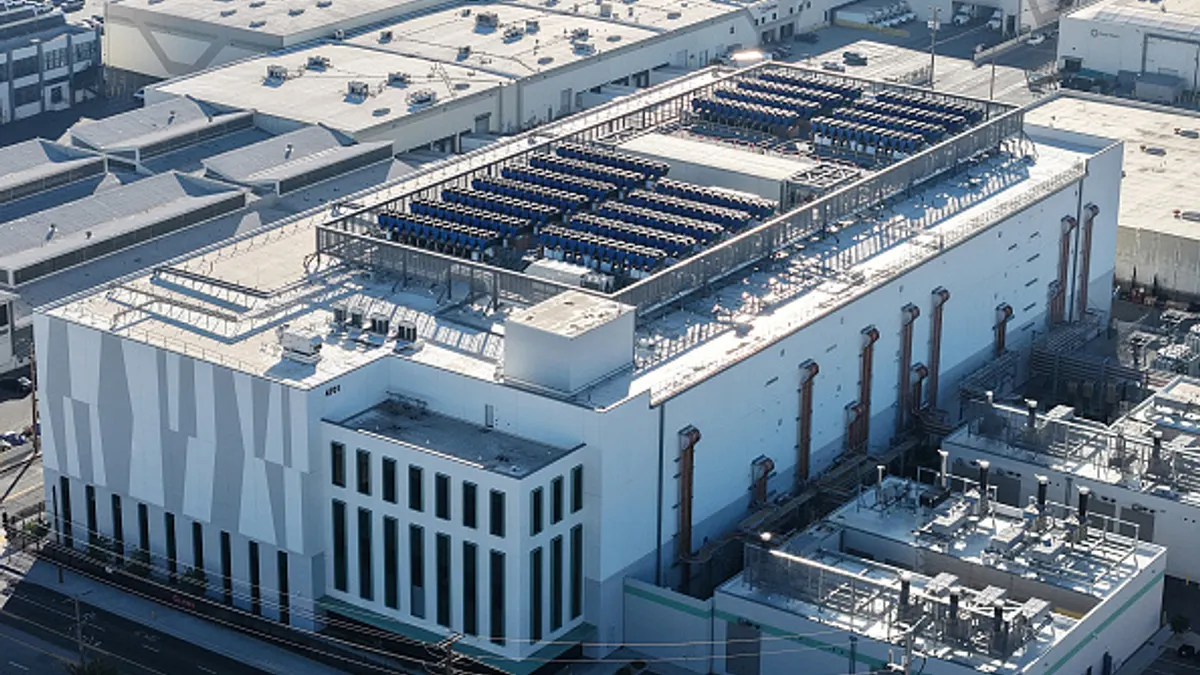
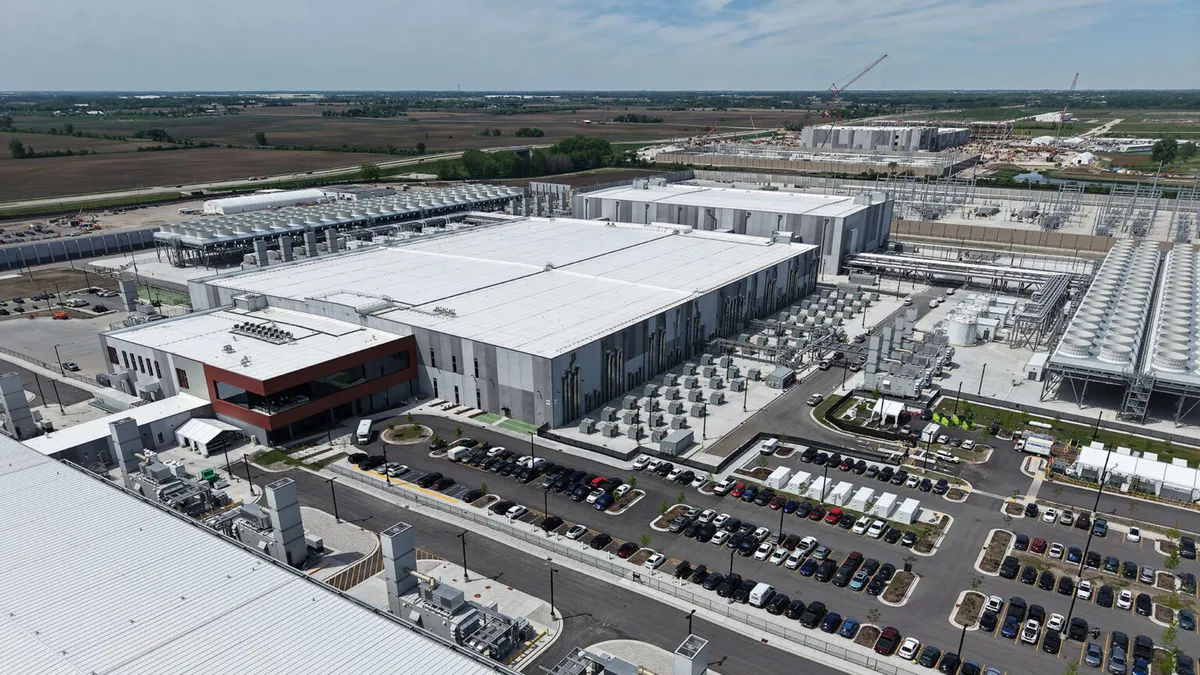
The lawsuit against Microsoft for its Fairwater data center in Mount Pleasant could pose a problem for facilities managers if it settles or is decided in favor of plaintiffs because the noise the residents are complaining about is hard to measure. The frequency of the hum is so low, the lawsuit states, that the A-weighted decibel monitors that municipalities typically use to enforce their noise ordinances don’t pick it up.
“dBA measures do not effectively detect lower frequency sounds like those emitted by Defendant’s Data Center operations,” the lawsuit says. “‘Data center cooling — massive chillers, slow turning fans, compressor arrays — generates exactly the long wavelength noise’” that is not adequately measured using dBA.”
The lawsuit claims the noise is a nuisance that reduces residents’ ability to enjoy their homes and their property values, and that Microsoft is negligent because it could have done something about it.
It could have used adequate soundproofing equipment for the cooling systems and generators, for instance, the complaint says. It could have installed adequate acoustic barriers, walls and shields around the perimeter. It also could have put in place low-noise cooling systems, an adequate noise monitoring system and an adequate noise prevention plan.
“A properly operated, maintained, and/or constructed Data Center will contain, capture, or otherwise prevent the emission of excessive noise from its generators and cooling systems,” the complaint says.
The lawsuit was filed in early June. None of the other noise-related cases against data centers have reached the summary judgment or trial stage, according to the Wilmer Hale alert. Some other types of nuisance cases against data centers, including one filed on environmental grounds, have settled. In the environmental case, Amazon agreed to pay more than $20 million for allowing nitrates from one of its data centers in Oregon to contaminate a groundwater basin.
“Company officials chose to settle early with the plaintiffs to avoid a lengthy legal battle and to ‘focus our time and resources on supporting the community rather than on litigation,’” said Kylee Yonas, then an Amazon spokesperson, according to an Oregon Capital Chronicle article.
Microsoft didn’t immediately reply to a request for comment.