Narrowing down outcome priorities and telling the right story about them when planning sustainability upgrades is the best way to get buy-in from stakeholders who might otherwise not see the value, according to panelists at the ASHRAE Annual conference.
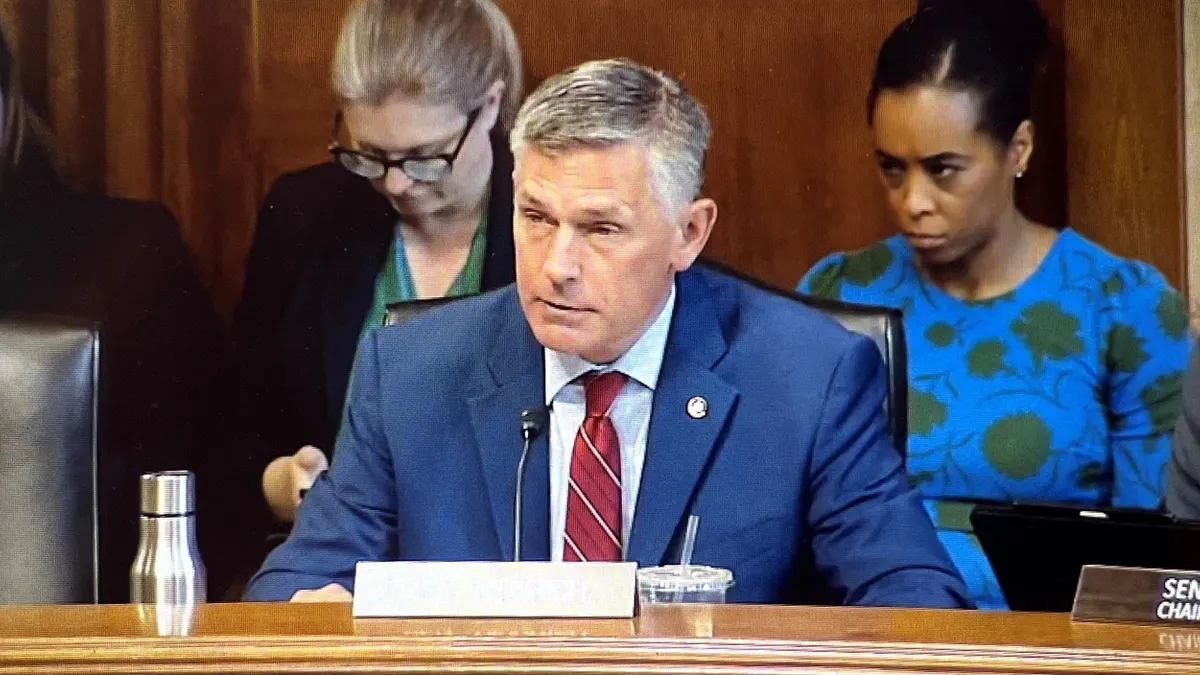
“You could have 17 priorities, [but] can you hit all 17?” said Mahesh Ramanujam, president and CEO of the Global Network for Zero. “An existing building has to prioritize one or two. Maybe health, maybe resiliency, maybe energy efficiency.”
For many building operators, highlighting decarbonization goals is an obvious priority when creating a facility roadmap, but selling projects based on that may not resonate with stakeholders, said Eric Corey Freed, principal and director of sustainability at CannonDesign.
He shared his experience working with owners of a children’s hospital who were hesitating to approve a decarbonization project.
“We [were] pushing electrification on our clients [who] do not care about the carbon story,” Freed said during the panel. “We saw this as a key strategy, as I imagine all of you would, and they just weren't buying it.”
Once the planning team shifted gears, though, and made a connection between the patients in the hospital and the health effects of pollution, the value picture changed for the owners.
“You’re burning pollution and you’ve got sick kids here,” Freed said he told the owners. “Don’t you get it?”
That’s when it clicked for them, he said. “It’s really about finding what works for them, and selling them on value.”
Owners’ decisions about what to do almost always come down to cost, Freed said. But the traditional way that building value is calculated ignores many of the value-added benefits that don’t have a direct financial benefit to the bottom line, he said.
For the children’s hospital, he said, showing all of the value would mean including the clinical value to patients and students, the added operational resiliency, the benefit to the community and the increased productivity of hospital staff.
“The client thinks they're saving $1 on the capex [by choosing a more bottom-line cost system], but what they don't realize is they're actually losing $10 in operational value, because they're getting a worse system,” he said. “That's why they did the [lifecycle cost analysis] in the first place. But they tend to pick the cheapest thing anyway. What they really don't realize is its costing them $100 in the people value, in the strategic value. Because again, those are the most expensive parts of the building.”
One way that facility managers can set a clear outcome is by translating their goals into terms an eight-year-old can understand, he said. Working with a biotech company in south San Francisco, Freed said, he and a client translated a project value into the number of butterflies on the campus.
“I don’t expect people to go out and literally count butterflies, so there are only three options to the question,” he said. “None, some or lots.”
With the butterflies acting as a stand-in for the health of the campus ecosystem, the owners could gauge the value of the work being proposed, he said. If “our pollinator pathways are working, our hydrological systems are working, our hardscape is working and a lot of really complex things are all working very well … the result is [an increase in] butterflies,” he said.
He called these illustrative indicators, and said they’re effective at helping determine the outcomes that are most important to an organization.
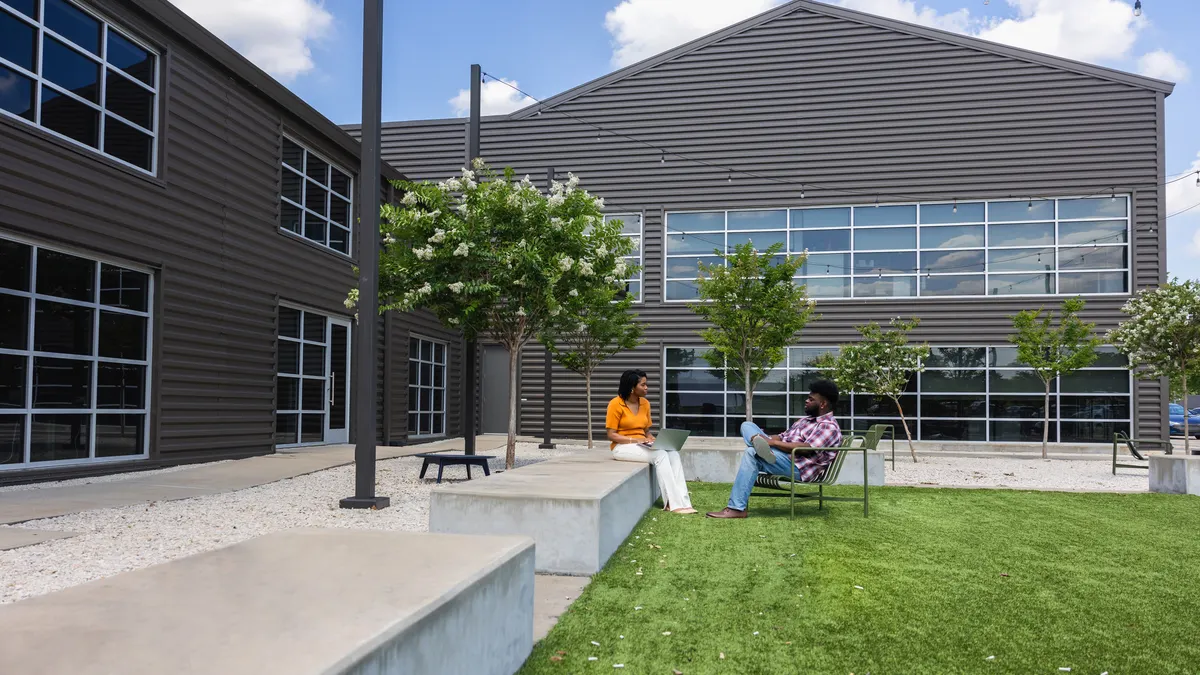
Another example is the number of outdoor meetings at an office building. If the number of outdoor meetings in a year increases, it means the furniture is comfortable, the area is acoustically private and thermally comfortable enough for workers to use.
“My absolute favorite is … the decibel level of laughter from the playground,” which can show the difference between a healthy environment and an unhealthy one, Freed said. “Laughter means that we picked up furniture and equipment that the kids are engaged with, the kids feel safe to play and the adults feel comfortable to let them play. A lot of really complex design decisions go into that.”
While stakeholders at a children’s hospital may not care about energy use intensity, they do care about making sure there is laughter in the hallways and that sick children feel comfortable, he said.
“That’s our duty,” Freed said. “That’s our job — to filter for the normal [people].”