Kade Thomas is founder and CEO of Emory Oak Partners, an operationally focused, technology-enabled firm aimed at transforming commercial property services space. Views are the author’s own.
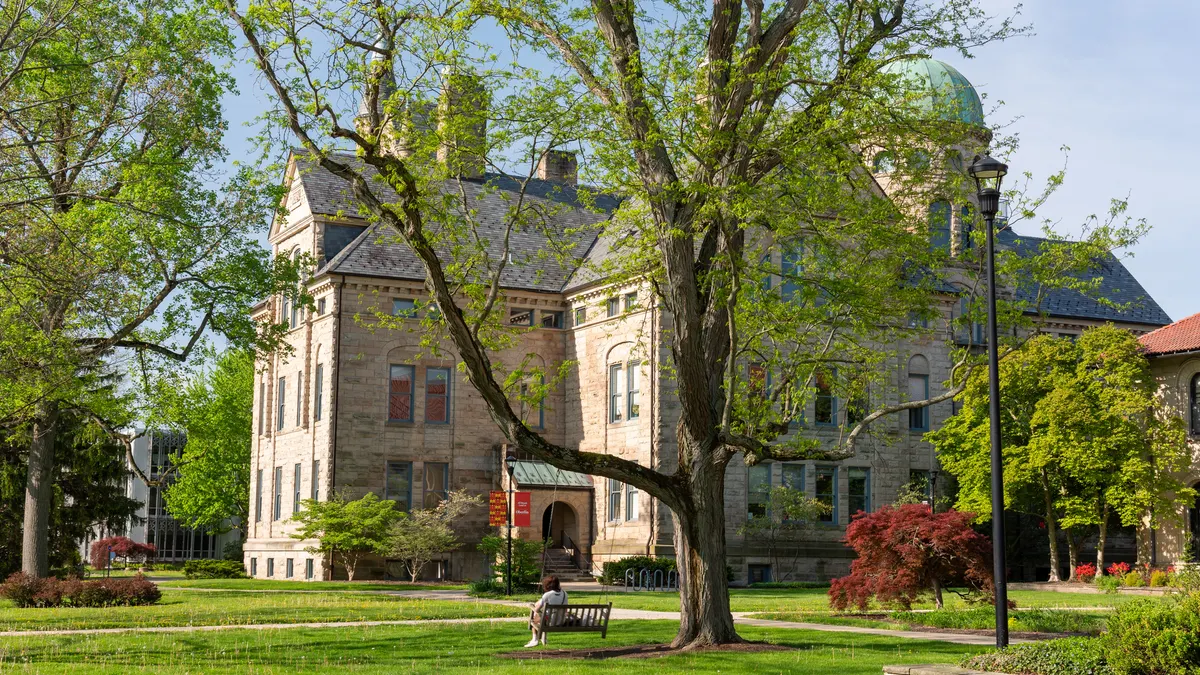
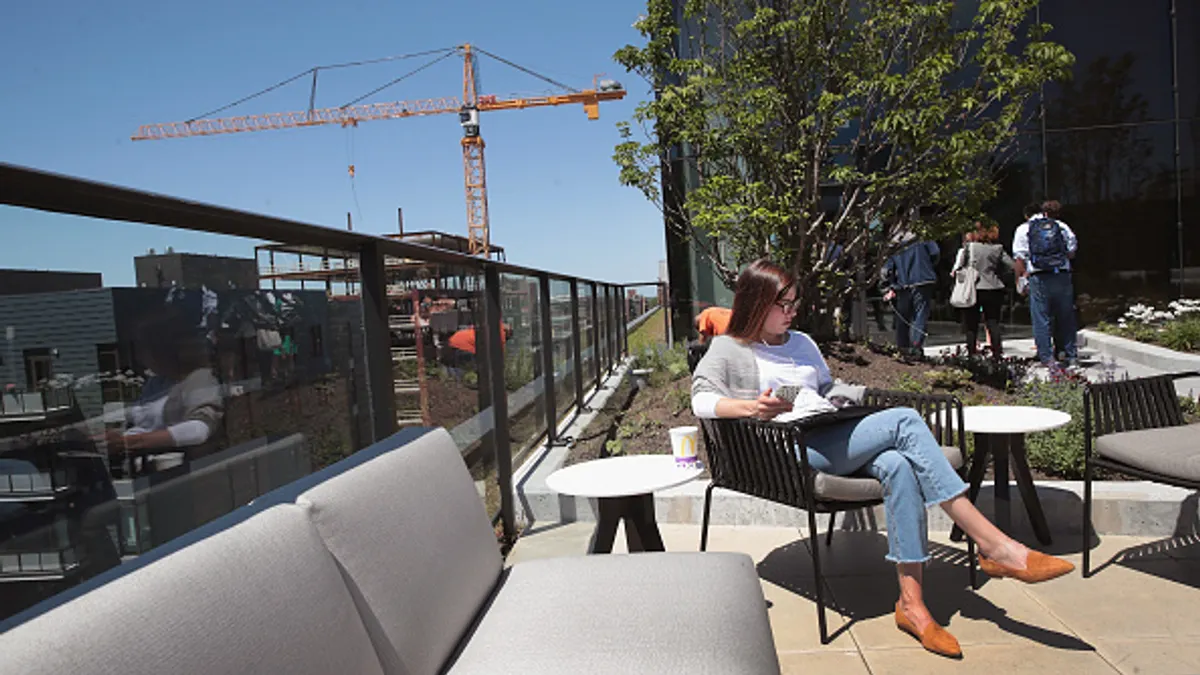
Gen Z is an environmentally conscious generation that increasingly craves access to airy outdoor spaces. I would argue their interest in outdoor spaces is becoming a driving factor in the office market.

These young workers are sweeping through the corporate world, transforming it as they go, but the office evolution hasn’t been smooth sailing. Gen Z employees want more from their offices than just a seat at a desk, but for too long, corporates haven’t been willing to make that investment.
That’s starting to shift. Businesses are accepting that workplaces have a role to play in productivity — that if workers feel like their office works with them, they work harder and faster.
So, businesses are levelling up their office spaces with attractive perks, including gym facilities, snack bars and meditation zones, to name a few. Given Gen Z’s interest in outdoor space — 88% say working inside has a negative impact on their mental health — aesthetic, verdant green areas are poised to be the next perk employers are offering.
Getting design right
Outdoor space is achievable for office blocks of all shapes and sizes. You don’t need to have acres of space to create an outdoor area that becomes an asset for your building. From rooftop terraces and courtyards to front lawns and gardens, there are many options.
Over my decades in the business, I’d say that some of the most impactful office landscaping projects I’ve worked on have been those that take the natural environment and architecture of the building into account. They’ve used a mix of hardscaping and landscaping to create a customized space that slots into the office block seamlessly.
When the office block is in a busy, highly corporate area, facility managers have opted for modern landscaping with crisp-edged lawns and cool-toned, square hardscaping options that include bright white paving stones and planters and muted tones for florals.
When the office is located in a quieter, more creative district, managers have chosen sweeping, curved lines with gravel pathways, stone seating with rounded edges with shrubs and bright flowers.
I would advise facility managers to adopt this tailored approach. At the end of the day, a green space that feels natural rather than contrived will add more to your lease, so it’s worth taking the time to get the design right.
Maintenance for the long-term
Once you’ve got the look and feel of an outdoor space nailed down, the next non-negotiable is getting maintenance right. This is an even more important element to master. You can have the most beautiful, thoughtfully designed outdoor space, but if you let weeds invade the walkways and grass areas turn brown and crunchy, then the expensive capital outlay to beautify the space makes little sense.
The secret to maintenance is infrastructure and programming: irrigation systems that keep flower beds looking healthy and nourish your lawn, programmed water features and routine turf and bed care.
Facility managers are advised to create a written, goal-oriented plan that serves as more than a box-checking exercise. It’s about seeing the property through the lens of the tenant coming into work every day. Staying focused on this means that every element of landscaping moves in the same direction and that maintenance stays consistent. That means problems are addressed before they snowball into costly and time-consuming ones.
Those that get design and maintenance right are positioned to reap the rewards as green space helps attract Gen Z to in-person working.
Corporates are already willing to pay a ‘green premium’ of 7.1%, research shows, and that is likely to climb higher as more businesses that go green attract tenants willing to pay more. That means there’s ROI potential for managers who get ahead of the curve and add premium features like thoughtfully designed and well-maintained green spaces.
The workforce is getting younger, and traditional units aren’t going to attract them to the office. Premium outdoor areas will be the driving force for the office market, pushing workplaces to the outside with greener spaces.