Digital twins are no longer just a buzzword, says the head of AI at PassiveLogic. They’re tools that asset owners can use today for portfolio management.
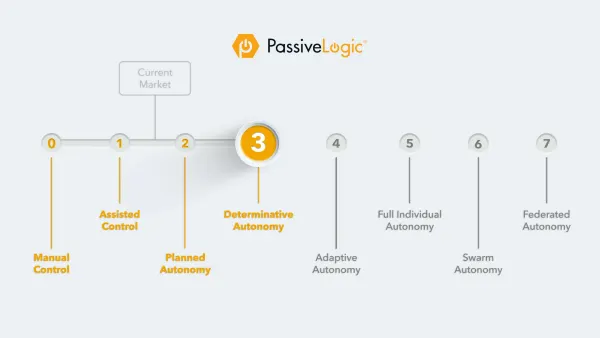
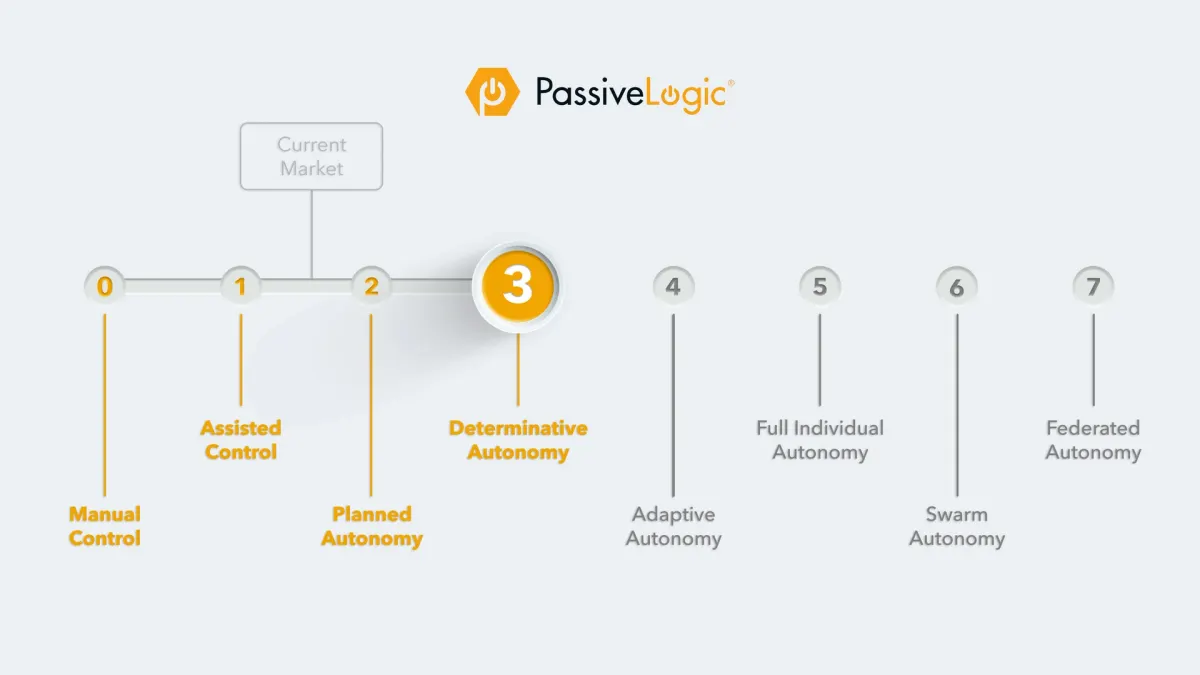
The company provides AI software for the built environment and earlier this year launched Level 3 Autonomy, which it calls the first system for generalized autonomous control of buildings and infrastructure robots. Powered by NVIDIA, PassiveLogic’s Level 3 can autonomously make changes to the physical environment, like adjusting building control settings, through its physics-based World Model, according to the company.
“Level 3 marks a fundamental shift in which control is no longer scripted,” PassiveLogic said in a July release. “Instead, it becomes an AI ‘white box’ that is dynamic and trainable, yet deterministic and traceable — a breakthrough for the AI industry.”
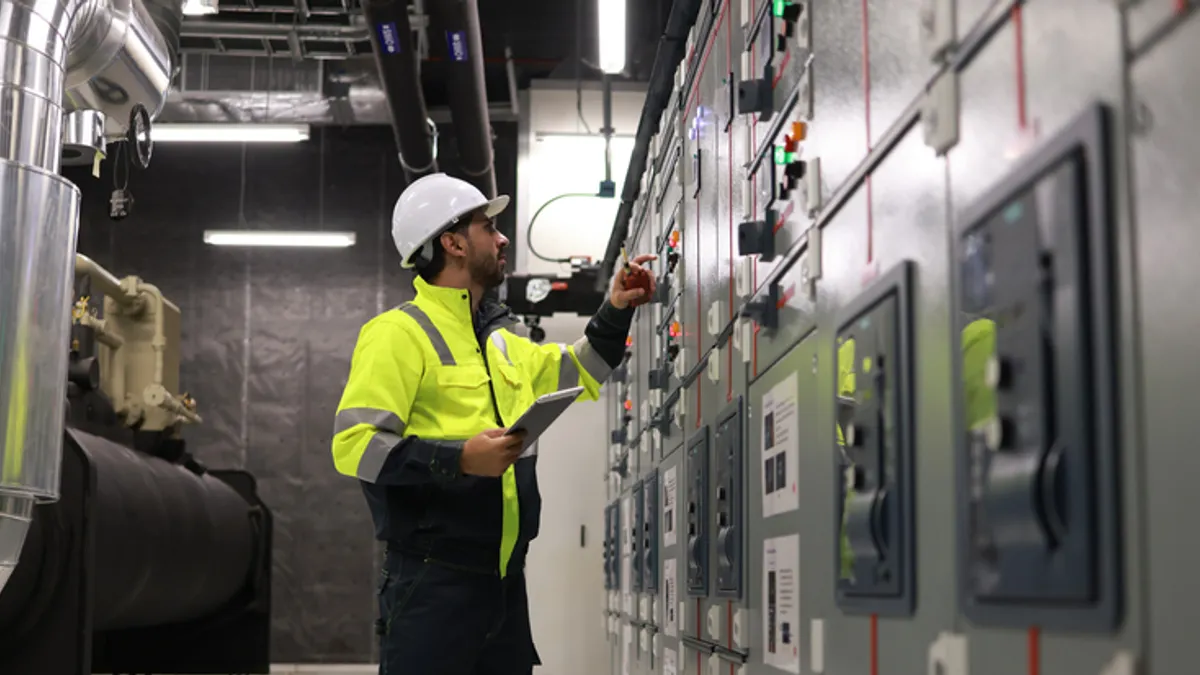
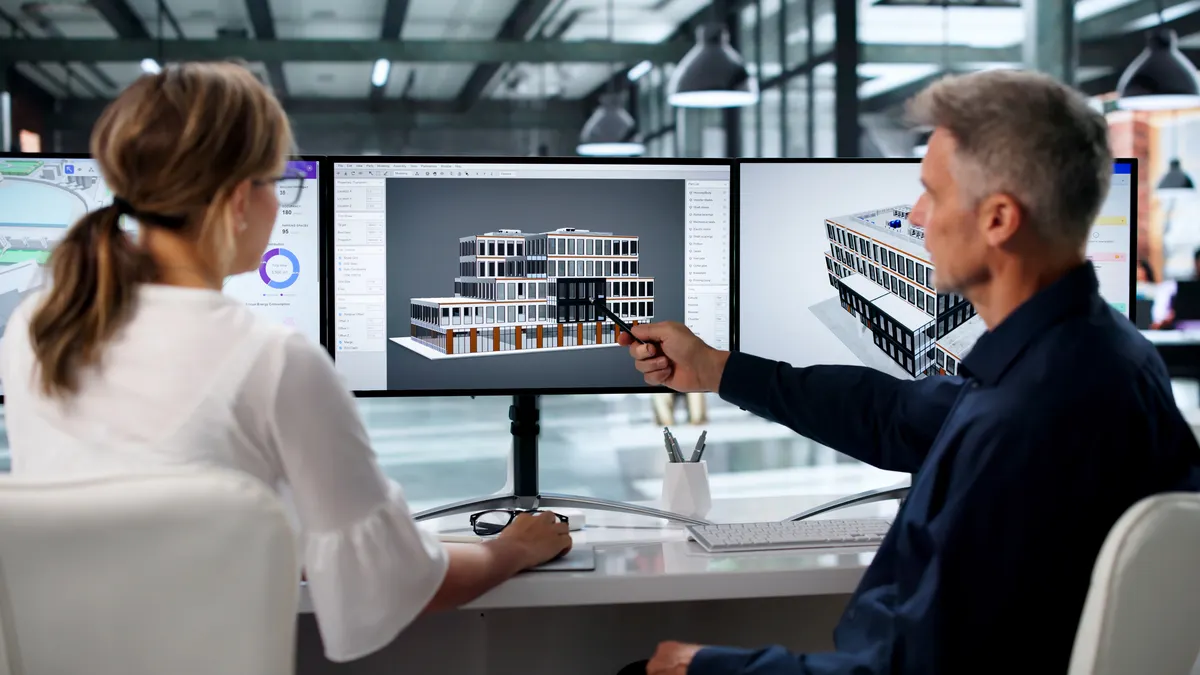
The World Model — a digital representation of the windows, doors, mechanical systems and other physical aspects of a building — can be equipped with different functions, tools and sensor data for buildings to help understand how energy is being used and what the state of heating and cooling is in the space, according to Neda Sepasian, head of Qortex AI and virtual worlds and head of AI and control systems designs at PassiveLogic.
The model “gives the ability to the building to sense and also simulate in real time the next decision for … energy management, for example,” Sepasian said in an interview. Level 3 autonomy means the model “understands what is happening in the building, but then, per the functions that have been calculated, it starts coming to a next decision.”
Although autonomous controls are being deployed and tested today in real buildings, these systems are intricate and each building has its own complexity, which lays the groundwork for the systems to improve as they learn from real-world conditions, the company says. “What we see is that more and more asset owners are … realizing the value of it, because it’s a very complex thing to manage, even for a small house,” Sepasian said.
The large strides made by digital twins and autonomous building technology means that buildings themselves can work to reach the goals a facility manager or asset owner has set.
“That’s quite a big shift, because [up until this point], no matter how the systems being automated, they haven’t been autonomous yet,” she said.
The results are promising, according to Sepasian. “The first thing we see, besides the energy savings, is [that] we also cut [down] on labor and the type of work that it takes to make the building profitable,” she said.
Autonomous controls also provide smarter contracting and maintenance methods for asset owners by using the data it collects to simulate what next steps to take, enabling PassiveLogic to provide more smart contracting for asset owners, according to Sepasian.
“That’s a use case that we see more and more. That is coming and being requested,” she said.
Looking ahead, the company is targeting Level 4 autonomy later this year, which it says will enable learning “at the edge.” This means building systems will be able to communicate with each other and coordinate resource use among themselves to optimize performance. It also means the system will be able to correct its internal understanding when reality diverges from expectations — for example, when equipment ages, uncertainty increases, or operating conditions drift — to maintain performance without constant recalibration, according to the company. Buildings are also set to communicate with each other and the grid at a more significant level, she said.
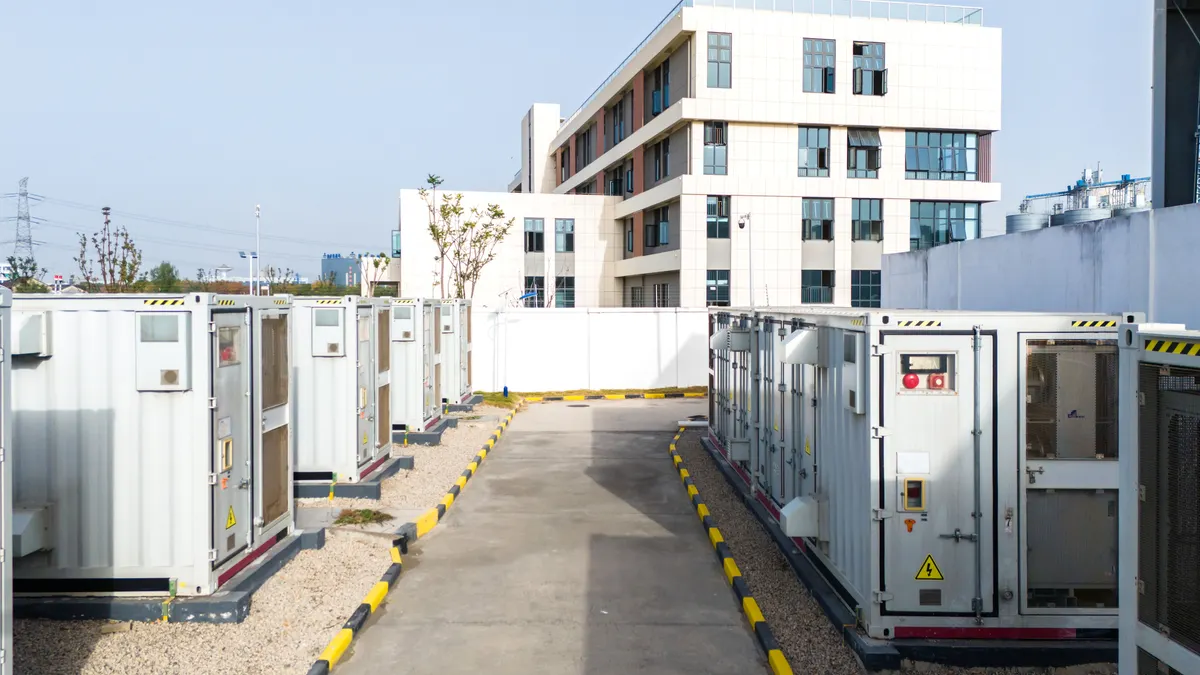
“In our further horizon, our goal and our ambition is that … buildings become a flexible part of the grid,” said Sepasian, noting that, at the moment, no matter how smart a building gets, they are still passive. “That means they are not attached or contributing in a district.” As part of that effort, the company is working to move into new building types, like data centers, and expanding within its existing residential, commercial and industrial base, she said.
By better integrating smart building systems into grid information, operators can better understand when the best time is to heat or cool buildings, she said.
“Those are the type of things that basically come from grid information,” Sepasian said. “That’s basically the next step, moving to, for example, data centers and optimizing the management of liquid cooling and optimizing the energy there, while at the same time also making buildings a more dynamic part of the grid.”