Bad systems data is a reality across facilities, but that doesn’t have to stop an organization from realizing energy savings and operational improvements from a smart campus or other multi-building initiative, say executives who oversaw a transformation project at Northern Arizona University.
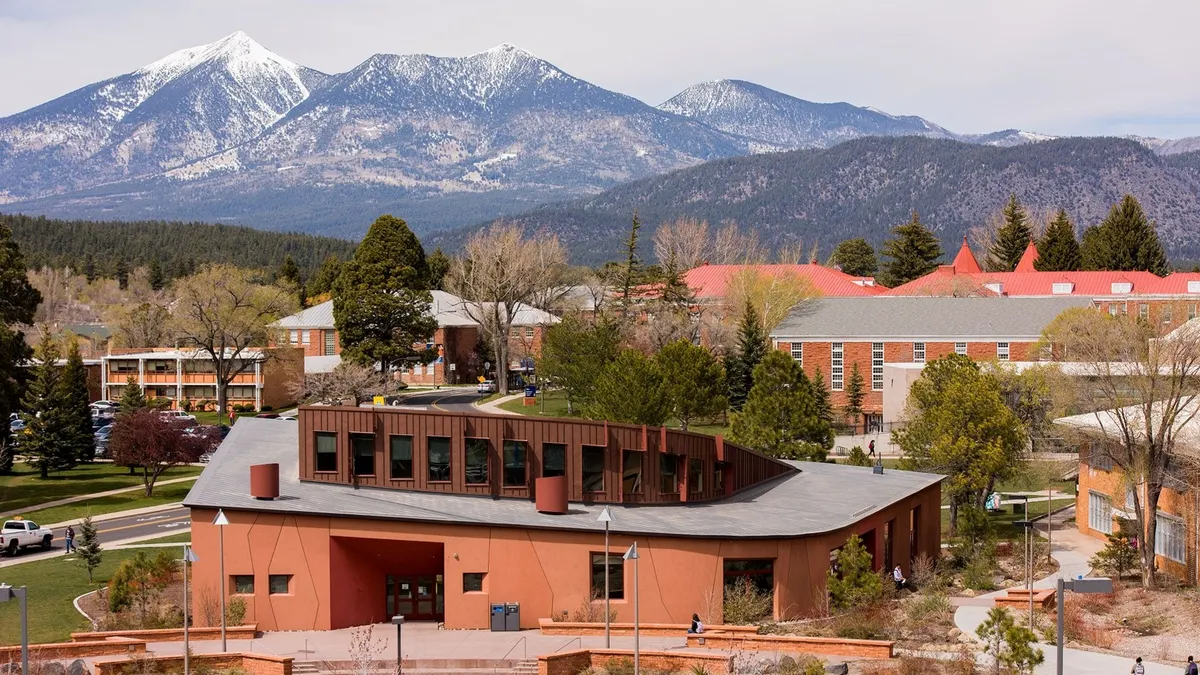
The 28,000-student institution based in Flagstaff launched an initiative two years ago to integrate data from hundreds of buildings into an AI-assisted platform so facility staff could use predictive analytics to cut energy use, improve campus management and reduce operational risk.
Facilities staff were skeptical of the initiative, led by the university’s chief information officer, in part because of the patchy quality of their building data, said Chris Cervizzi, senior director of sales at digital-twin technology company Willow.
“The first thing we heard from the facilities team was, ‘We have bad data; we can’t do this,” Cervizzi said at the APPA annual conference earlier this month. APPA is an organization representing higher education and K-12 school facilities managers.
Patchy data is a universal problem, Cervizzi said. Facilities should start with whatever data they have because imperfect data is better than doing nothing at all.
“Everybody has some level of utility bills, metering data … work orders and design and construction data,” said Cervizzi, whose company provided the platform that serves as the hub for the university’s smart campus.
Over time, the data will improve as teams add to it and start applying it to select use cases, he said.
NAU’s smart campus initiative involved integrating building system data into the platform so officials could manage the school’s use of energy and building space and improve traffic and security, among other things. The platform was also meant to create a living lab in which students and teachers use the data to conduct research and innovate products and services.
“Energy savings pays the [transformation] bill,” said Steve Burrell, who led the initiative as NAU’s CIO. “But operational efficiency and risk avoidance is really the long-term game.”
One of the early project wins came after a pipe froze in the university’s forestry building, Burrell said. The ruined pipe disrupted use of the building and cost the school millions of dollars to fix. Using the data that had been collected from the building and applying the platform’s AI tools to it, the system developed insight into the cause and was able to prevent a similar problem before it occurred in another building.
“We wrote some intelligence and put it into the system,” said Burrell. “The next week we had the same problem in the business building. We escalated the issue to our facilities crew as it was occurring and they were able to repair that in real time.”
By focusing on that type of small-scale win in the early days of the process, the facilities team can generate support to move to the next level of implementation, Cervizzi said.
In another early win, the facilities team was able to bring in-house work that the university previously outsourced to a third party, said Cervizzi, without elaborating on the type of work the team was doing. “Talk about ROI,” he said. “They were able to hire staff and take agency.”
IT and facilities used the project’s early days to align their expectations with one another, Burell said.
“It was hard for IT to understand that facilities operates on a different schedule,” he said. “They have a different set of principled, foundational issues – like, these buildings have 50-year lifecycles. In IT, [we’ve] got five-year lifecycles … so it was getting them to appreciate that life safety, comfort facilities management is a different kind of game, and they have really important roles to play.”
On the facilities side, he said, digital literacy and suspicion about the project’s endgame were the biggest gaps. “A lot of people on the facilities side were like, ’OMG, they’re coming for my job,” said Burrell. “They’re going to find a massive water leak that I didn’t know about but should have for the last decade. Now I’m going to get in trouble for that.’”
But over the course of the work, that kind of concern gave way to an appreciation for how the AI tools can help them do their job better, Burrell said.
“They would come back and say, ‘Wow, we solved that problem,’” he said. “‘Now I’m suspicious about this over here. Let’s go look at the data.’ As more longitudinal data came to us through the system, season over season, certain things became more illuminated for them and they saw themselves as part of a transformational process.”