Dive Brief:
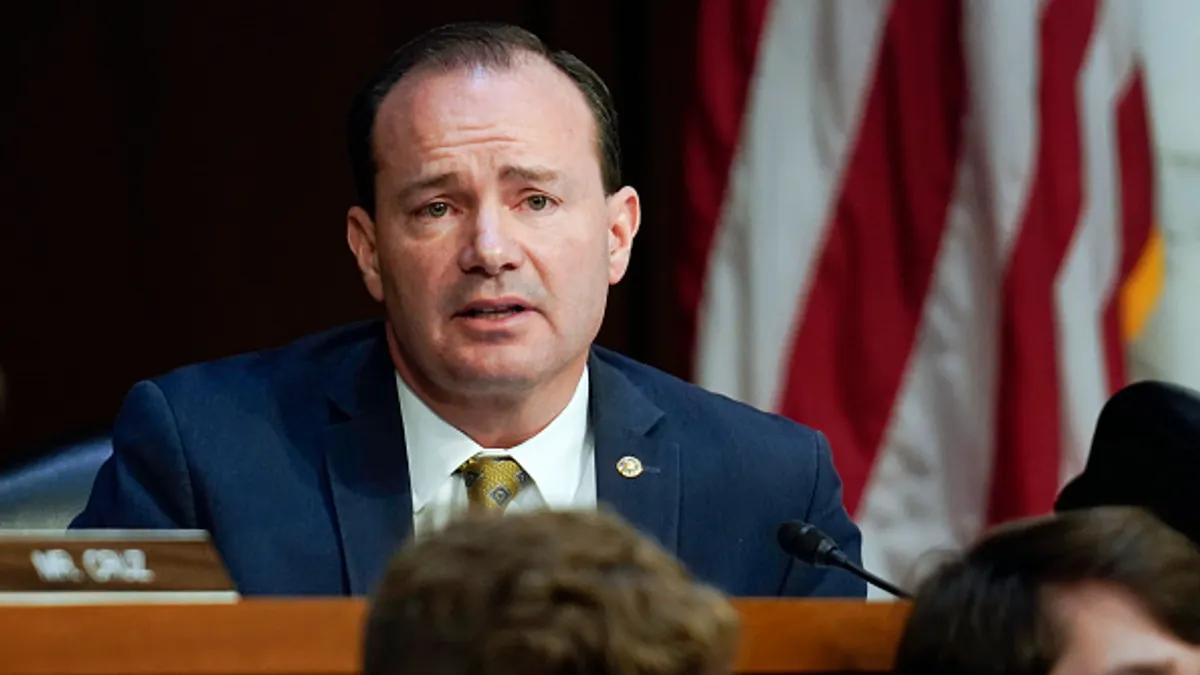
- Sen. Mike Lee, R-Utah, introduced a bill last week to codify into law changes that the U.S. Department of Energy is seeking that would set a strict standard on when it could impose energy efficiency requirements on commercial and residential appliances.
- The Energy Efficiency Reform Act would give DOE nine months to finalize changes it proposed last month, requiring at least 2 quadrillion Btu in savings before it can set an appliance energy-efficiency standard and eliminating a statutorily required six-year product review cycle that the agency follows, among other changes.
- “The government [must] prove that a new standard is achievable and economically justified,” Sen. Lee said when introducing the bill Aug. 6. Critics say it could lead to a gutting of standards.
Dive Insight:
The notice of proposed rulemaking that DOE published last month would make sweeping changes to what’s known as the agency’s process rule, a 1990s-era rule that standardized how the agency administers the Energy Policy and Conservation Act, or EPCA, which created the energy efficiency goals for appliances in the 1970s.
Under the process rule, the agency makes a product-by-product evaluation of whether technology is available, at an economically justified cost, for it to set a new efficiency standard.
DOE’s proposed changes would create a rigid threshold — the 2 quadrillion Btu in energy savings — before it could set a new efficiency standard. The Btu savings must take into account the full fuel-cycle of the appliance, which means incorporating the energy that’s consumed in the extraction, processing, transportation, generation, transmission and distribution of the energy used in the product to the point of its end-use.
As an alternative to the Btu threshold under DOE’s proposed changes, the agency says a standard could be imposed if it leads to 10% less energy use than what’s used by existing versions of the appliance over 30 years.
Other changes DOE is seeking include a requirement that it use a separate process for reviewing new appliance types rather than incorporate those evaluations into the same rulemaking for existing appliances. And unlike the rigid process it would use for when it's evaluating a new standard, it would make the process flexible when it's considering easing a standard.
This “asymmetric” approach creates a bias in favor of gutting standards, according to an analysis by the DOE Alumni Network, a community of former DOE officials who maintain an interest in federal energy policy.
“By imposing binding procedural and analytical requirements only on actions that increase the stringency of standards or expand product coverage, while preserving greater flexibility for deregulatory actions, the proposal tilts the standards program away from the statutory objective established by Congress in EPCA,” the group says.
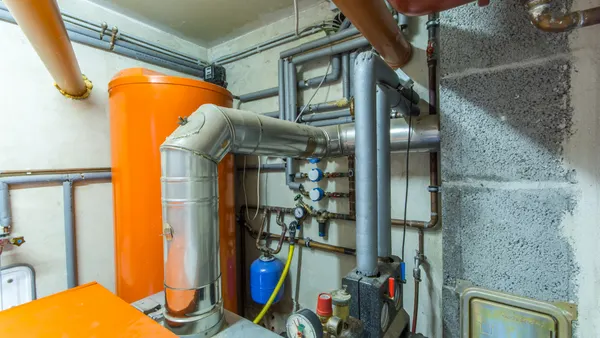
Separate from codifying DOE’s process rule changes, Lee’s bill would eliminate EPCA’s six-year appliance review period and take action against a Biden-era rule that would impose a 95% efficiency requirement on commercial gas water heaters and residential gas heaters, which critics have said effectively eliminates non-condensing appliances from the market. That 95% efficiency rule was stymied by the U.S. Supreme Court earlier this year and is under review by an appeals court.
The Lee bill would also preempt states from banning appliances based on their fuel source. Critics have called these bans end-runs around EPCA’s preemption authority. Separate legislation is pending in Congress that aims to stop these state gas bans.
The American Gas Association last week said it supports Lee’s bill. “For too long, EPCA has been manipulated to force changes that raise costs,” AGA President and CEO Karen Harbert said in a statement. “This bill rolls back harmful standards that would eliminate access to natural gas furnaces and water heaters while ensuring future efficiency standards focus on saving energy and money.”
The Appliance Standards Awareness Project, an energy efficiency advocacy group, said in an email statement that the bill would make it virtually impossible for DOE to update standards and would give the executive branch new powers that could be used to weaken or revoke existing standards. “This would lock in using outdated technologies,” said Andrew deLaski, ASAP executive director.