Dive Brief:
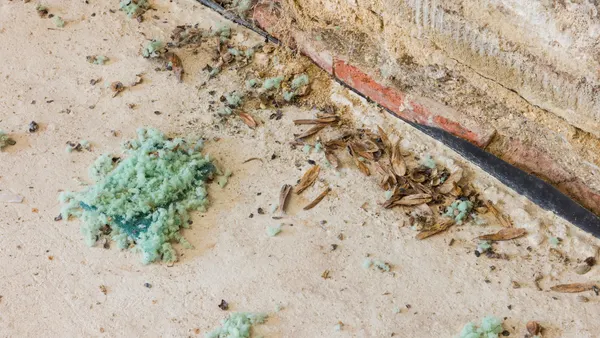
- Facility managers should keep their eyes open for chewed boxes in storage rooms, scratching inside walls, droppings behind shelving and other indications of rodent problems in commercial facilities, the National Pest Management Association warns.
- Even gaps the size of a coin can allow mice and rats to squeeze into commercial facilities, providing rodents with easy access to food, water and shelter, the NPMA said Monday.
- Awareness and prevention are crucial as rodent populations surge: 91% of organizations that outsource for pest control other than termites say that one pest sighting can permanently damage customer trust, according to a survey by Harris Poll, on behalf of NPMA.
Dive Insight:
Rodent populations in the U.S. have been rising since 2020, according to Shannon Sked, national technical director at pest-control giant Orkin.
“One of the things we’re seeing in the pest control industry is a large surge of rodents, [including] house mice, Norway rats and roof rats,” he said. “Rodents are probably the number one thing we’re dealing with, and it’s … because we’re seeing a shift of this increase in population and boldness that we did not see prior to 2020.”
Norway rats and roof rats are also called brown rats and black rats, respectively. Roof rats, which have historically been thought of as living on the coastlines — places like New Orleans, Savannah, Georgia, and Norfolk, Virginia — are now being seen more inland, for example in Kansas, Kentucky, Missouri and Chicago.
“Chicago does make sense because it still is a port area, but we’re seeing them inland,” Sked said. “And Norway rats and house mice seem to have gotten a lot more bold and aggressive in both their hunting … or searching behaviors, as well as their willingness to interact with people.”
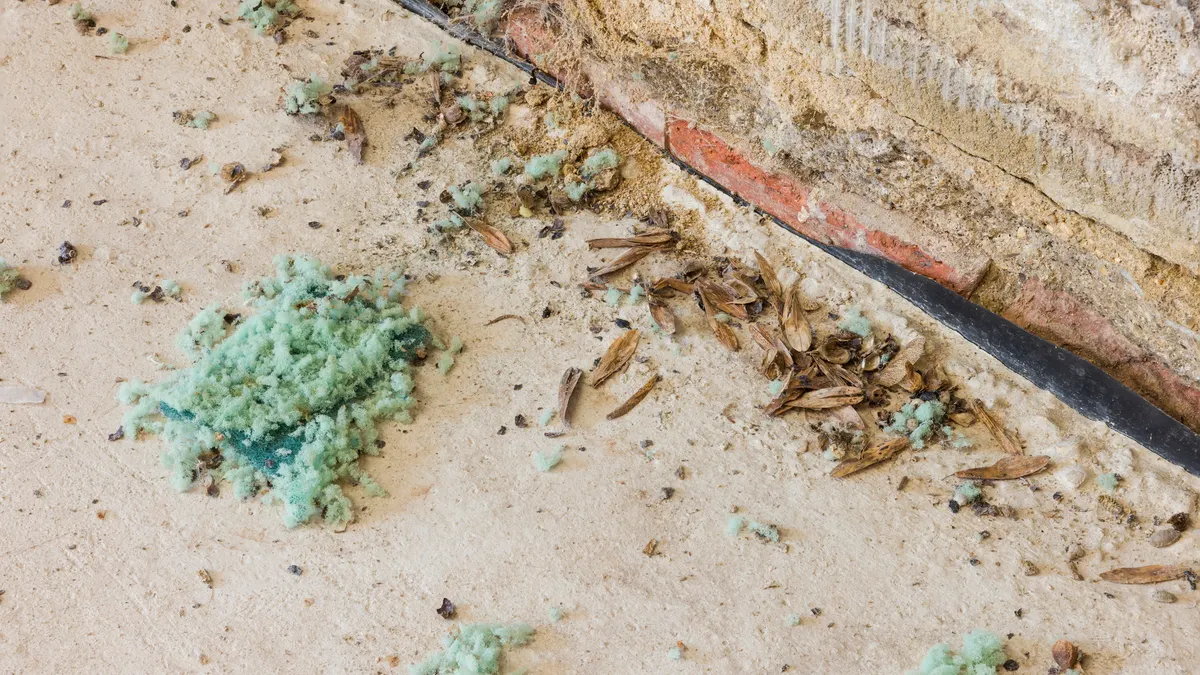
NPMA highlights six signs that facility managers can look for to identify and combat rodent intrusions. These include droppings, which may appear near stored food; gnaw marks on packaging, building materials or wiring; nests in dark, secluded spaces; tracks or rub marks, which occur when rats leave dark grease or dirt along walls; unusual noises and rodent sightings.
Facility managers can simplify this by thinking of access to food, water and shelter, Sked said. “When I say water, not just standing water, but also humidity and temperature levels,” he said. “If they have harborage, if they have a warm, relatively humid area … it’s going to be perfect for them. And if you have a food source, they’re going to grow their population.”
But the first step to pest control happens before a professional shows up, through sanitation — like facilities maintenance or exclusion programs, according to Sked. “Those two things have to be in place. Not for nothing, you can have the best control operator in the world, but if you don’t have sanitation exclusion in place, their efforts are going to be limited,” he said.
“Rodent prevention starts with looking at your facility from the inside out,” Jim Fredericks, senior vice president of public affairs at NPMA, said in a statement. “Keeping the facility clean is only part of the solution. Regular inspections and an integrated pest management approach are just as important in protecting inventory and customer confidence.”
Facility managers can also help prevent rodent infestations by working with a qualified pest control professional to develop an integrated pest management plan that combines proper sanitation, sealed entry points, employee training and routine inspections, NPMA said in its release. It added that year-round maintenance can help businesses identify potential problems and address them before they escalate.