The rush to build AI data centers is leaving some of these facilities with site problems and inexperienced management, exposing them to costly operational risks, one service executive says.
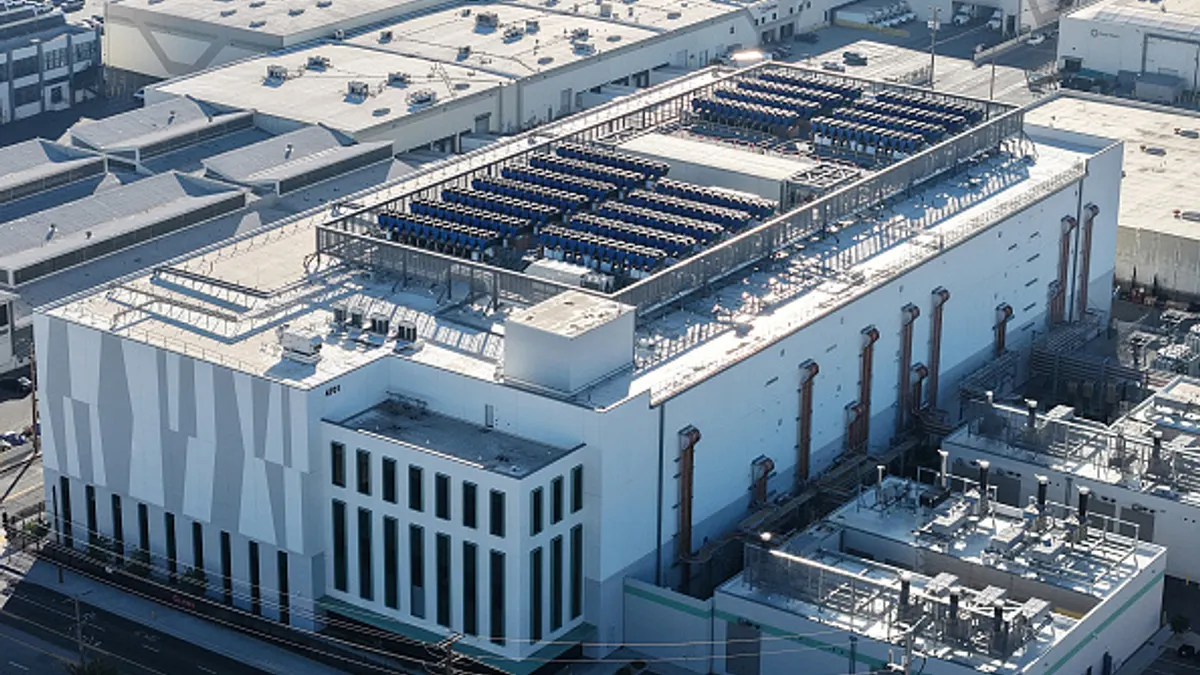
Data center construction reached a record high in the first half of 2026 at 7,481.1 megawatts, surpassing the previous peak of 6,350 MW in 2024, according to CBRE’s midyear North America data center trends report. Hyperscalers and AI occupiers competing for power and compute are pushing up asking rents for the very limited supply on the market as new construction is immediately scooped up, per the report.
With some exceptions, institutional investors have been pouring money into data centers “because the return on the other end is just so large, and they put a lot of time, effort, energy and focus on the upfront construction,” said Kade Thomas, CEO of Cerv Property Solutions. But after they are built, owners are being forced to pull in property managers from other site types to manage a slew of operational risks that the industry is still learning to handle, he said.
Texas-based Cerv provides pest control, pool care, landscaping, janitorial services and exterior work like power washing and window cleaning through an in-house workforce to commercial office, multifamily and industrial markets, including data centers, Thomas said.
“I think the risks are actually very underrated,” Thomas said. “We’re rushing projects into production and basic site care is a lower priority. ‘Facilities will take care of that down the road’ [is a common view]. What we all have to understand is that as new as AI and data centers are, so are the managers that have to manage them and the vendors that have to serve them.”
Although data centers have been around, the new facilities going up today, because of their complexity, represent a new asset class that doesn’t have the deep well of experienced operators like other verticals, he said. Cooling has become so central to data centers that data center owners, chip makers and utilities are working together to design complex thermal management systems that can handle the ever-rising demands of AI computing, which also come with their own water management requirements, for example.
“You’ve got managers that are learning how to manage them,” Thomas told Facilities Dive. “They’ve got institutional real estate firms that are just trying to throw these things up as fast as possible. You’ve got AI companies that need these things, but everyone kind of forgets about [operations]. ‘Are there vendors that know how to service these?’”
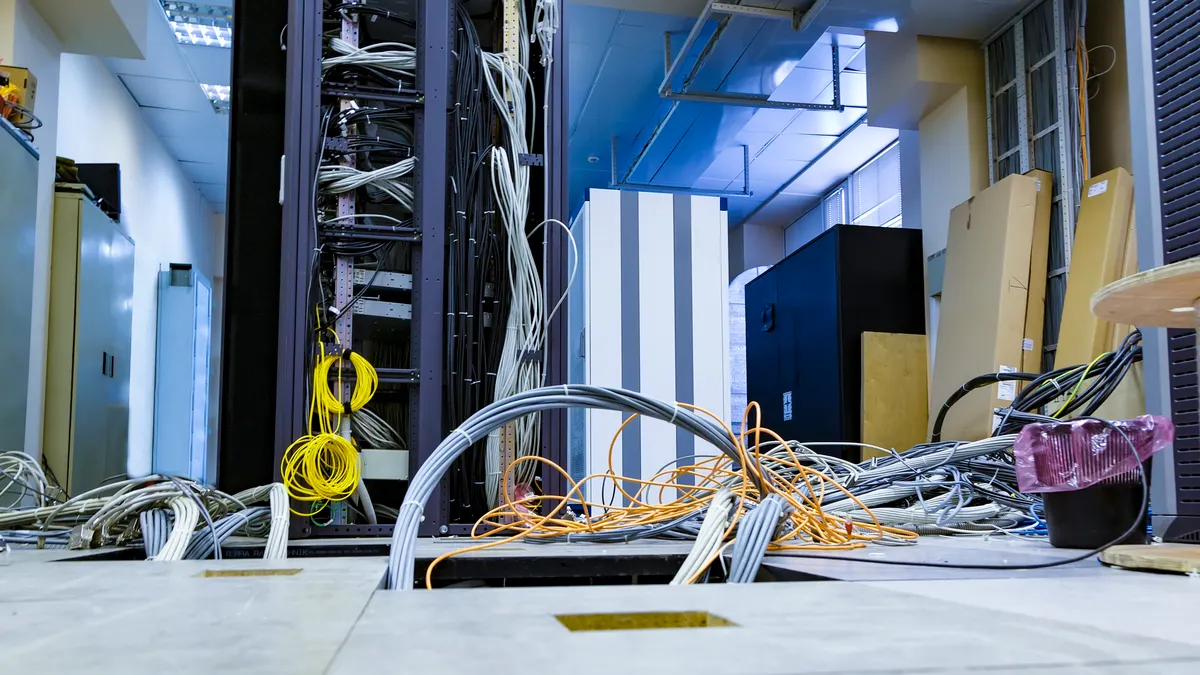
The high costs associated with downtime mean property management in data centers is much more about risk management, Thomas said. “Are there drainage issues? Is there a broken irrigation pipe that can cause the foundation to shift? Are there any gaps in the roof or eaves where a rodent could crawl in and chew through the data cable?” he said.
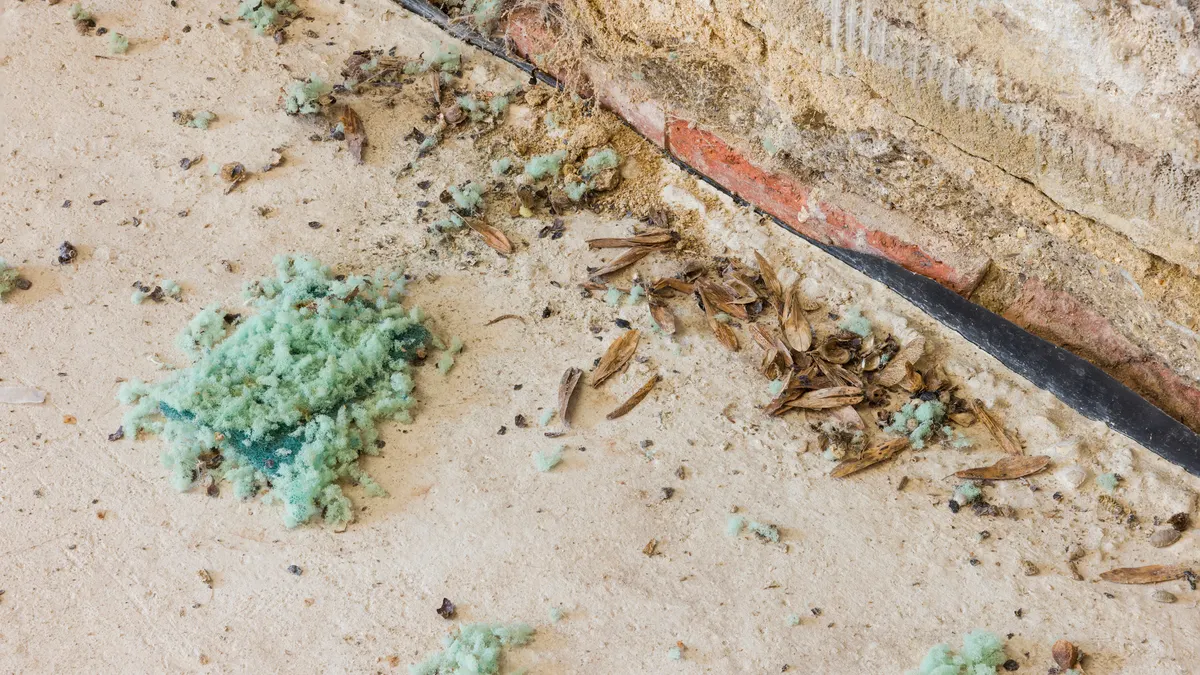
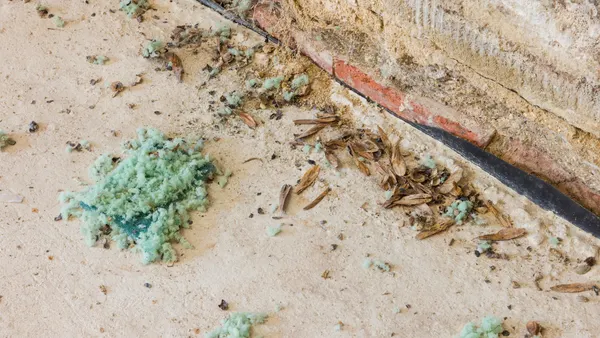
“This thing was put up fast, and that’s okay, but what that creates is spaces for rodents to get in. That creates dust intake,” he said. “Fixing a slight separation between your eave and your roof might only cost $700 or $1,000, but if a rodent gets in and chews through cabling, it could cost millions of dollars in downtime.”
Although fire is the leading risk-cost driver for data centers, accounting for over 50% of losses, the most frequent cause of data center claims is water damage, according to an Aug. 12 report by Allianz. Other frequent claim causes are wilful acts, fire and equipment breakdowns, the insurance firm says.
Facilities are also becoming larger, more complex and increasingly interdependent, with hyperscale and colocation campuses bringing together multiple tenants, servers, utilities and on-site infrastructure in one physical space. “A single event can therefore trigger claims across property, construction, business interruption, liability, cyber, and financial lines,” Allianz says.
Claims case studies show that in these hyperscale facilities, losses for damage to external cooling systems and hot works-related fire damage can each cost between $50 million to $100 million, according to Allianz.
“Power, cooling, batteries, fiber routes, testing and commissioning, and business continuity planning are all part of the same risk picture,” Christian Kolbe, global head of construction claims at Allianz Commercial, said in the report. “Effective risk mitigation must begin early and continue throughout the data center lifecycle. Resilience must be designed in from the earliest planning stage.”
While the news more often shows massive systemic failures that occur in these facilities, like drawing too much power or not having enough power, data center owners should also be aware of simple oversights that can negatively impact their buildings, Thomas said.
Partially because of the speed at which some of these facilities are built, Thomas is seeing problems that should be easily preventable, like broken irrigation lines or spaces where dust, debris and pests can enter.
“[It might be] a clogged intake filter because of dust, overgrowth in landscaping, or a forgotten pest pathway of rodents coming in and chewing cable. When you add the operational intensity of these AI data centers and the potential outages caused by overlooking maintenance things, [they] require a more integrated model,” Thomas said.
Following recent concerns involving alleged bacterial contamination from a cooling-system maintenance operation at a Meta data center in Wyoming and renewed focus on cooling towers due to Legionella’s resurgence in New York City, data center operators are also increasingly under pressure to address cooling-system monitoring, microbial control, maintenance protocols and wastewater management, according to law firm Baker Donelson.
Particular attention must be paid to system cleaning and flushing activities that could create problems if discharge pathways and treatment requirements are not fully understood before maintenance occurs, for instance, says the law firm.