Bob Mostachetti is director of partnerships for Planon, a building management system and integrated workplace management system software company. Opinions are the author’s own.
The job of a facilities manager looks nothing like it did 10 years ago. Buildings today are more complex, their compliance burden is heavier and the tolerance for downtime is lower. Nowhere is that more true than in data centers, where the facilities management challenge has outrun the tools most operators are using to handle their responsibilities.
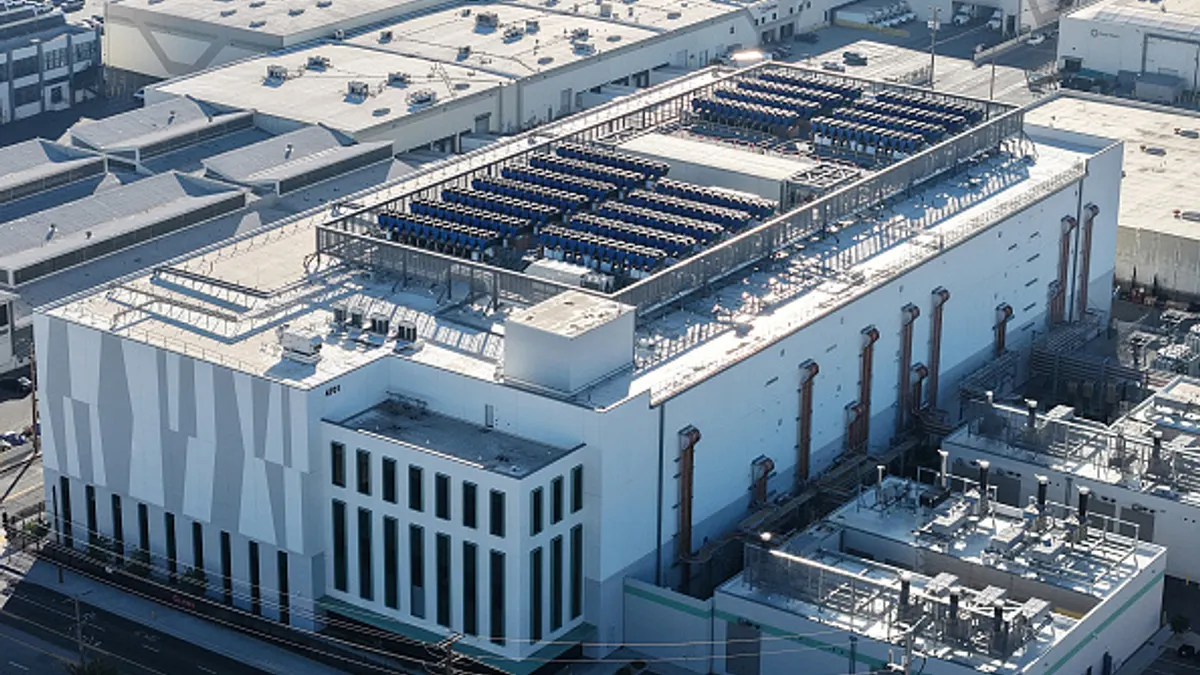
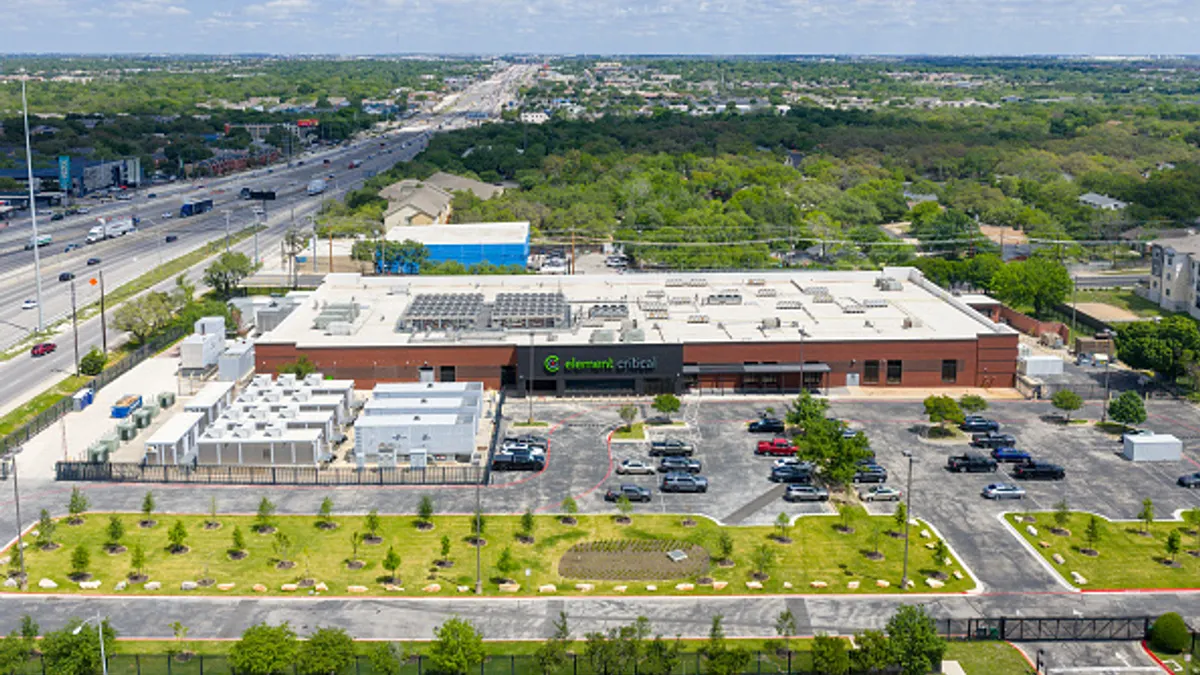
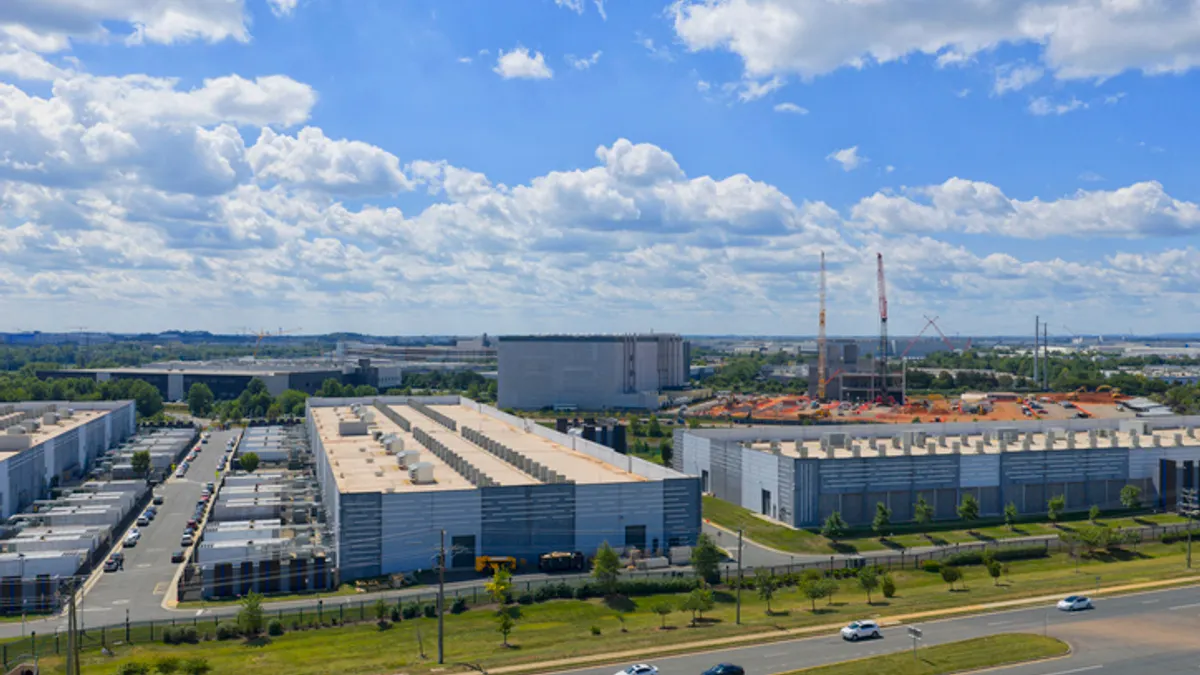
According to JLL's 2026 Global Data Center Outlook, the data center industry is on pace for 14% compound annual growth through 2030, with nearly 100 gigawatts of new capacity coming online between now and then. That effectively doubles global capacity within five years. The investment required to get there is somewhere in the neighborhood of $3 trillion. The immense pressure to keep these data centers running efficiently and profitably 24-7 to ensure a return on this enormous investment, combined with these highly specialized facilities’ complexity, means that data center managers need tools to meet this increased challenge. Traditional facilities management software is not keeping pace.
Time is money
In most commercial real estate contexts, Class A office space is treated as a cost center, an essential but non-revenue-generating expense. In data centers, by contrast, the facility and its infrastructure are the profit center, driving revenue for both owner-operators and tenants. This distinction raises the stakes for operations. While a delayed work order in an office may be an inconvenience, in a data center it can escalate into a critical issue with immediate financial impact.

Data centers operate under continuous, zero-tolerance uptime requirements. Operators must simultaneously manage critical power systems, cooling infrastructure and building systems across multiple sites, each carrying its own asset hierarchies, maintenance histories, regulatory obligations and service level agreement commitments. Deploying a siloed, poorly integrated, computerized management system or integrated workplace management system in this environment can lead to inefficiency and fragmentation, with potentially catastrophic consequences.
Common gaps
When facilities teams in data center environments describe their operational pain points, the same three issues come up repeatedly:
- Disconnected systems. A typical operation is running a data center infrastructure management platform for infrastructure visibility, a building management system for environmental controls, an electric power management system for power distribution and some combination of legacy tools and spreadsheets for maintenance tracking. None of these talk to the others reliably. For example, when an alarm is triggered in the infrastructure monitoring system, a work order will not automatically appear in the maintenance queue. Someone has to make that connection manually, which increases risk.
- Compliance documentation. As regulatory requirements for data centers grow, so does the already significant documentation burden. Facilities teams need audit-ready records showing that every inspection, maintenance task and safety procedure was completed, logged and made traceable to the right asset at the right site. Traditional platforms don’t typically produce that kind of documentation automatically.
- Colocation complexity. A large share of the new capacity being built will serve multiple tenants under distinct service level agreements. Managing access controls, SLA reporting and operational transparency across tenant boundaries requires governance capabilities that most general-purpose platforms don’t have.
Infrastructure conversation
The practical implication for facilities professionals is that if your organization is building or operating data centers, your software decision must be considered with the same importance and urgency as the power and cooling systems.
The facilities management system should integrate directly with existing DCIM, BMS and EPMS systems so that alarms automatically generate and route work orders without human translation. It needs to maintain full maintenance histories and audit trails at the asset level. It should track energy and cooling performance in a format that supports sustainability reporting. And for colocation environments, it needs to provide the tenant-level visibility that SLA management actually requires.
The data center sector is in the middle of one of the most significant infrastructure expansions in modern history. The facilities teams responsible for keeping that infrastructure running deserve tools that were actually designed for the job.