
With energy prices rising and no end in sight, facilities of all sizes are looking to reduce their energy costs. It’s not just summer temperatures driving energy usage — long-term shifts in demand due to the growth of data centers and wider electrification mean that energy costs will remain elevated or, at the very least, be volatile for the next few years.
On top of these conditions, maintenance funding is increasingly constrained for schools, industrial facilities and many other types of buildings, while an aging workforce leaves fewer skilled employees to carry out the necessary maintenance and repairs on facility infrastructure.
Facilities managers considering renewable energy sources and modernization upgrades to address these challenges may find the scale intimidating. “It’s a very dynamic market right now,” says Kevin McCarthy, Associate Vice President, P3 and Energy as a Service, at NORESCO, which helps customers modernize aging building systems and upgrade energy and water infrastructure to meet evolving demands. “Electricity rates are going up, renewables incentives are changing and there is a vacuum in the labor force. With these constantly changing conditions, it’s important to collaborate with experts to complete the right project,” he says.
There are small steps that facilities leaders can take to drive big changes, essentially shrinking the energy challenge of greater demand alongside cost and workforce pressures. It starts with evaluating how efficient your building is today.
Small steps for energy efficiency
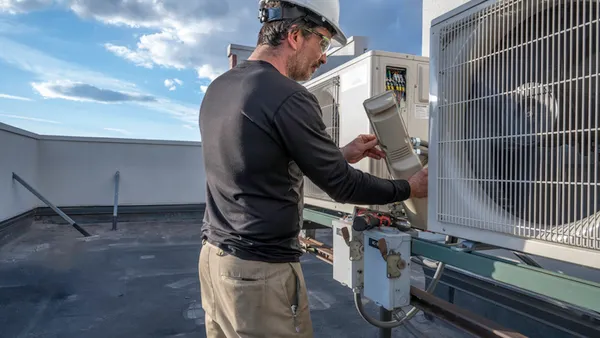
Before initiating a major energy project, such as building a microgrid or replacing a boiler with geothermal heat pumps, facilities managers should review their current operational efficiency. NORESCO, for example, uses retro-commissioning to identify savings opportunities through system tune-ups and low-cost upgrades.
An energy audit and benchmarking exercise are great starting points to identify ways to quickly and affordably improve energy efficiency. Once a building has been assessed, a retro-commissioning report recommends corrective actions to improve efficiency and occupant comfort.
These types of upgrades could include installing building envelope measures or properly resetting building control systems that may have been changed over time. Commissioning HVAC systems or temperature controls, for example, can significantly impact efficiency and occupant comfort.
“Before looking at power generation solutions like distributed energy resources or battery energy storage, we want to get a facility operating at its peak efficiency,” says Jeff Ottaviano, Renewables Subject Matter Expert with NORESCO.
These upgrades are small steps that make handling energy challenges more manageable. Once a facility is operating more efficiently, it makes sense to explore more large-scale generation solutions.
Renewable energy solutions for long-term savings
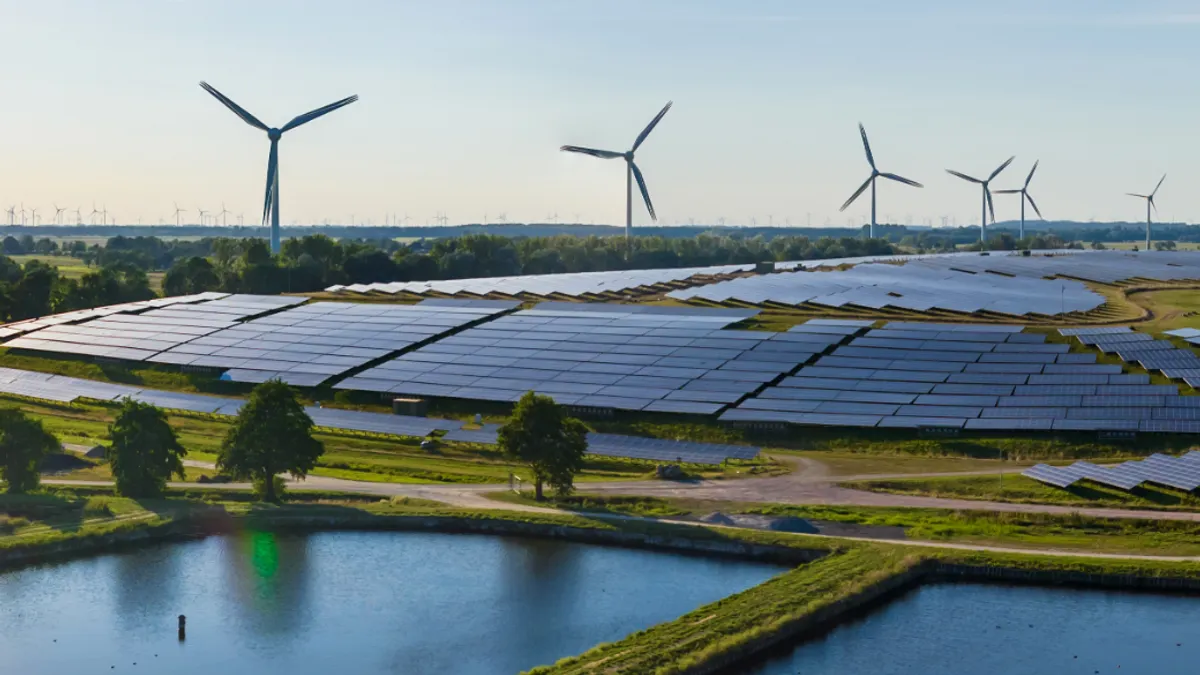
On-site renewable energy generation provides resiliency, not just for a few months but for years to come. However, adding these solutions to your facility can be a complex project with numerous considerations related to physical infrastructure and financing options. For facilities looking to add solar generation, design choices depend on the site — i.e., roof-mount or ground-mount.
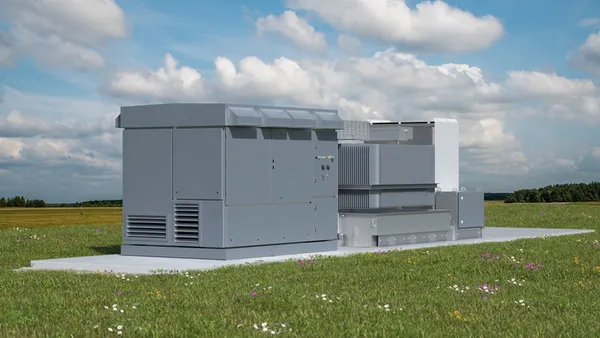
Pairing solar photovoltaics (PVs) with battery energy storage systems (BESS) is increasingly valuable to make the most of renewable energy. By storing excess solar-generated energy, facilities can discharge that stored electricity at times of peak pricing. Not only do they save money, but they also ease pressure on local grids and can ensure power during outages. Facilities can even explore establishing a microgrid of distributed energy resources (DERs) that operate with local power grids or independently.
These types of large-scale projects can be costly, particularly as federal incentives for PVs are changing. For projects that began construction by this summer, the clock is ticking to complete the project by the end of 2027. For ones that haven’t started, the incentives picture is even murkier.
Fortunately, there are different financing structures for facilities that work with a partner like NORESCO:
-
Energy savings performance contract (ESPC): An ESPC is a performance-based agreement in which facility upgrades generate guaranteed savings that are used to pay for the project.
-
Public-private partnership (P3): A P3 lets an institution team up with a consortium of private companies that designs, builds, finances and often operates major energy or infrastructure upgrades. This approach eliminates upfront public capital needs and shifts long‑term responsibilities and risks to the private partners.
-
Energy-as-a-service (EaaS): EaaS allows an organization to partner with a private provider that owns, operates and maintains its energy systems. Instead of paying upfront for new equipment, the organization makes predictable monthly payments for the energy services it receives — such as heating, cooling or power — while the private partner handles performance, upkeep and most of the project risk.
“It’s important to note that these are long-term contracts,” McCarthy says. “Setting an appropriate savings goal with an ESPC, for example, is really key.”
These contracts also provide the benefit of workforce reliability. A third party like NORESCO is responsible for project maintenance, so if labor attrition is an issue, working with a partner can ensure that trained technicians are available throughout the life of the project.
A team effort to shrink the challenge
Long-term changes in energy costs and demand are putting pressure on facilities’ budgets, but the growth of renewables offers a long-term solution. For campuses, institutions and buildings that need greater resiliency, efficiency upgrades and clean, renewable power generation can improve occupant comfort and day-to-day operations without overburdening balance sheets. But it takes an entire team to make a project successful, whether it’s retro-commissioning existing infrastructure or installing large-scale PVs and BESS.
“We like to say that energy is a collective effort,” says McCarthy. “From our technical staff to our clients’ C-suite and operations personnel, everyone needs to work together because each project and each site is unique,” he says.
With the right expertise and a focus on the future, facilities can make the upgrades needed to operate at their best today and into tomorrow.
Contact NORESCO to discuss the right energy service partnership for your facility.