Dive Brief:
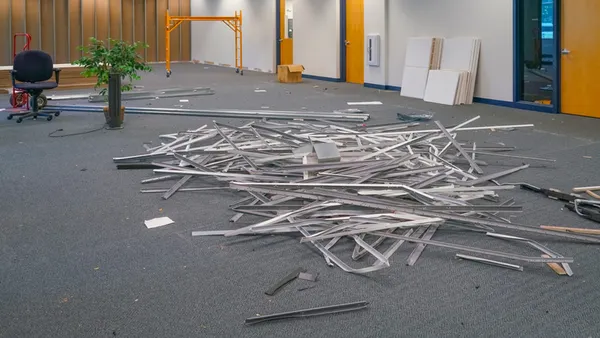
- Outdated office space continues to experience high vacancies as the flight-to-quality trend keeps class A space in demand, according to market reports released this month.
- The struggles of older class B properties in many U.S. metro areas, particularly in the West, are fueling vacancy rates above the national average of 17.2% in October, Commercial Cafe says in a market update.
- Even among markets with strong office employment growth, oversupply continues to keep vacancy rates elevated, per the report. Office construction completions are expected to bottom out in 2027, which would alleviate some pressure on vacancy rates, but the oversupply of less-desirable office space is likely to persist, Commercial Cafe says.
Dive Insight:
Of the 25 largest markets examined by Commercial Cafe, 17 saw decreases in office vacancy rates while seven struggled with a vacancy rate above 20%. Manhattan, Miami, Los Angeles and Tampa, Florida, had the lowest total vacancy rate in the country — all under 15%. Metro markets with vacancy rates over 20% include San Francisco, Austin, Texas, Seattle, Houston, San Diego, Portland, Oregon, and the Bay Area.
CBRE’s global prime office rent tracker, released earlier this month to track the market for core locations, shows that asking rents increased year over year for 12 of the 17 major Americas markets tracked by the firm in Q3.
Rent growth was strongest in Los Angeles’s Century City, Dallas and Houston, with all experiencing double-digit rent growth as the result of tight availability in the prime segment and little-to-no new supply in the construction pipeline, CBRE says.
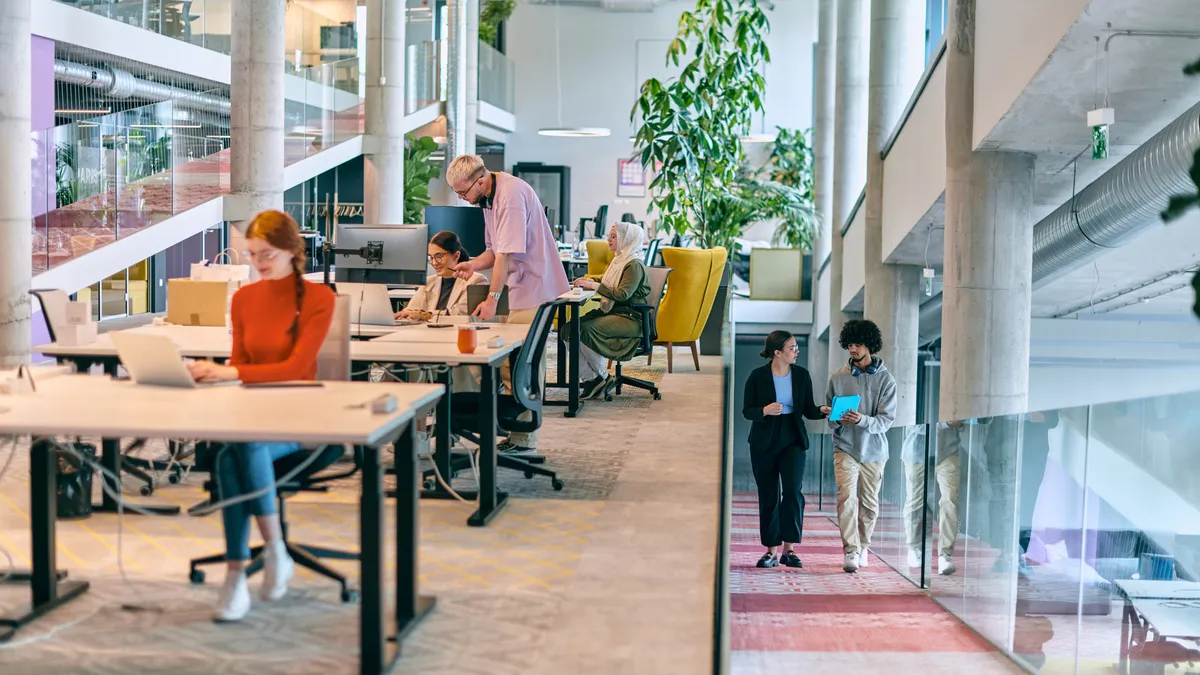
While the 11.9% prime office vacancy rate is 6.8 percentage points below the non-prime market average — the largest spread on record — limited prime supply in the tightest markets is beginning to help drive spillover demand into the next tier of Class A space.
“Strong demand for newer, amenity-laden prime space will outpace lower levels of new supply in most markets for the foreseeable future, further tightening the top end of the market and supporting prime rent growth,” CBRE says.
Office-using sectors experienced a combined 76,000 net increase in jobs in October, according to the U.S. Bureau of Labor Statistics, with national employment in these sectors up 51,000 year over year. Healthcare was a major contributor, outpacing other industries in terms of job growth and giving “a boost to demand for medical office space, even as the broader office market is still struggling,” Commercial Cafe says.
“Office employment growth doesn’t always translate into an office market rebound and we are seeing significant market discrepancies,” Peter Kolaczynski, director of Yardi Research, said in a statement. “One consistency, though, is that outdated and less amenitized buildings are facing the most pressure, while new deliveries are offering best-in-class product and obtaining rent premiums.”