Steve Willis is vice president of specialty services at Mooring USA, a company providing disaster restoration, commercial construction and HVAC/air duct cleaning services. Willis holds certifications in facility management, indoor air quality and disaster recovery. Views are the author’s own.
Spring arrives with a familiar set of facility headaches: landscaping contracts to renew, HVAC systems cycling back to cooling after months of heating or minimal use and drainage issues left over from a wet winter. Indoor air quality rarely makes that pre-summer checklist. It should.
The months between March and June are when many of the conditions that degrade air quality inside commercial buildings quietly take root. Moisture intrusion from spring rains, HVAC systems pushing stale or contaminated air after sitting dormant and humidity levels climbing faster than building envelopes can compensate. These aren’t dramatic events. They build slowly, often invisibly, until an occupant complaint, a failed inspection or a visible mold discovery forces the issue.
By then, the straightforward fix is usually gone.
Spring setup
Many facility leaders understand that summer brings heat-load challenges. Not all of them think about what spring does to the air inside their buildings. When outdoor humidity rises faster than a building’s systems can compensate, seasonal transitions, especially from cold to warm, drive fluctuations in humidity that building envelopes and HVAC systems weren’t always designed to handle. Moisture accumulates in walls, ceiling cavities and ductwork.
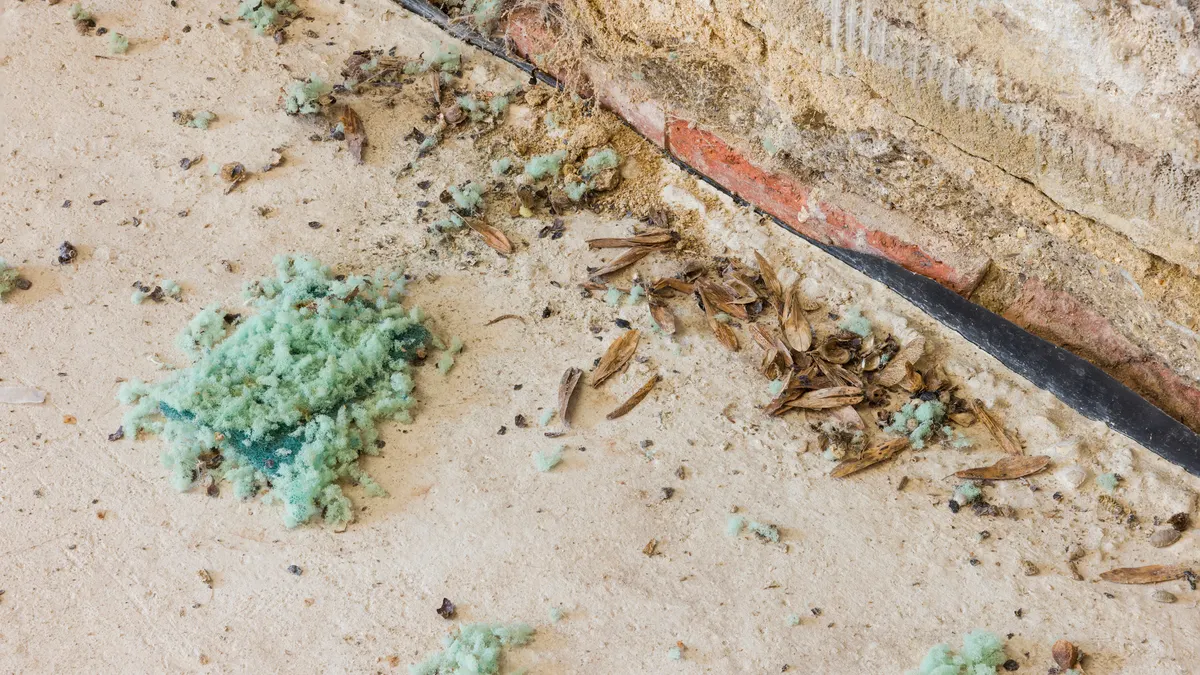
Mold needs very little to get started. The U.S. Environmental Protection Agency notes that most mold species begin colonizing within 24 to 48 hours with elevated humidity. Once established in ductwork or the air handling unit, mold may no longer be a simple remediation problem; every time the air handler runs, it can circulate what’s inside throughout the building.
In healthcare facilities, that’s a patient safety issue. In schools, it’s a compliance issue and a liability. In commercial office buildings, it’s a tenant retention issue and a litigation concern.
Before heat sets in
The highest-risk areas aren’t always obvious. Roof-to-wall transitions, mechanical rooms, basement-level spaces and areas adjacent to loading docks or exterior windows and entries tend to accumulate moisture before it becomes visible. So do plenum spaces above drop ceilings, which often go uninspected for years.
Ventilation rates warrant a review, too. In facilities where occupancy patterns shift seasonally, such as schools, hospitality venues or buildings with large conference or event spaces, ventilation settings that were appropriate in winter might not match current demand. If those settings weren’t adjusted before spring, CO2 levels, volatile organic compound accumulation and air exchange rates in occupied spaces might already be outside recommended thresholds.
Warning signs
Occupants often notice indoor air quality problems before monitoring systems flag them. Complaints about musty odors, increased allergy symptoms, persistent headaches or fatigue that clears up when employees leave the building are diagnostic signals.
Facility leaders who treat those complaints as nuisances miss an opportunity. A single occupant complaint about air quality, taken seriously and investigated promptly, can surface a mold condition or ventilation deficiency before it spreads, saving tens of thousands of dollars and the regulatory scrutiny that comes with a formal complaint to the U.S. Occupational Safety and Health Administration or a state health department.
A complaint ignored can become a much larger project in waiting.
Pre-summer IAQ framework
Facility leaders who want to get ahead of summer IAQ problems have a short window to act. Here’s one framework to consider.
- Walk the highest-risk areas first. Mechanical rooms, roof penetrations and any space that experienced water intrusion during the past winter should be visually inspected before summer arrives.
- Schedule an HVAC assessment. Look for a certified provider who can perform a visual assessment of ductwork and mechanical components. If your system hasn’t been professionally cleaned in two to three years, schedule it now rather than in August when contractors are at peak demand.
- Review ventilation settings against current occupancy. Many buildings are running pre-pandemic ventilation schedules against post-pandemic occupancy realities. The mismatch creates air quality deficiencies that filtration alone won’t correct.
- Document the baseline. Air quality monitoring data, inspection records and restoration/remediation history matter when regulators ask questions or when a tenant makes a legal claim. Facilities that can demonstrate proactive IAQ management are in a fundamentally different position than those responding to an incident after the fact.
Pressure points
Healthcare facilities carry the highest regulatory exposure. Standards by the nonprofit accreditation organization The Joint Commission and the conditions of participation by the Centers for Medicare and Medicaid Services both address IAQ, and enforcement has tightened in recent years. For hospitals and other healthcare-related facilities, spring is the time to verify that infection-control protocols include HVAC-system-related risks, particularly in immunocompromised patient areas and surgical suites. All work in specialty facilities should be performed by contractors trained and certified in Infection Control Risk Assessment protocols.
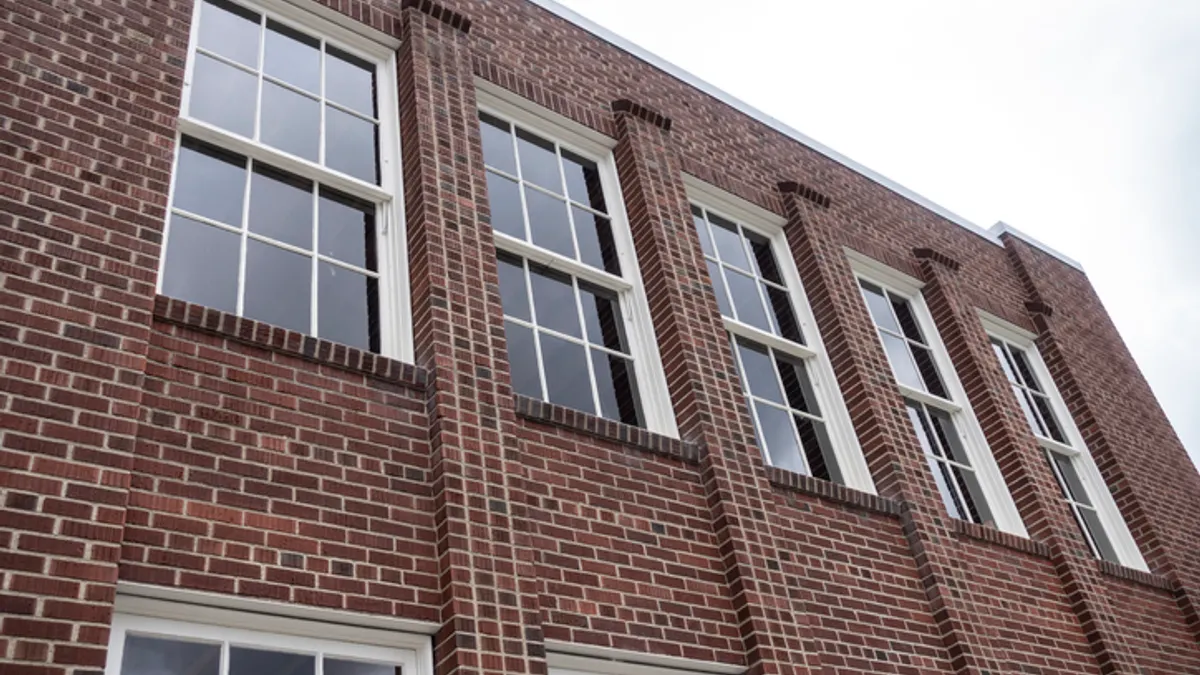
Schools face a different but equally serious set of pressures. Many districts operate aging infrastructure with deferred maintenance backlogs. Summer, when buildings are unoccupied, is typically when construction, preventive maintenance and deep cleaning get done. That activity introduces contaminants into the air at the same time that idle HVAC systems are allowing humidity to build unchecked. By the time students return in the fall, the conditions for mold growth might already be in place. When IAQ problems surface in a school, the response stops being operational and becomes political. A mold discovery in a classroom makes local news. A proactive inspection program doesn’t.
Industrial and manufacturing facilities often underestimate IAQ risk because their ventilation systems move large volumes of air. High airflow doesn’t mean clean air; it can mean contaminants distribute faster. Facilities with chemical storage, painting operations or manufacturing processes generating particulates need to verify that filtration and exhaust systems are functioning at rated capacity heading into higher-temperature months, when off-gassing from stored materials increases.
The cost of waiting
Reactive IAQ management is more expensive than proactive IAQ management. That’s easy to dismiss as obvious until you’re managing a mold remediation project or a fully contaminated HVAC system in August that’s causing newly returned students and faculty to be displaced, while triggering potential news media, legal concerns and school board meeting fallout.
The inspection that finds a problem in April is an operational win. The inspection that gets skipped until an occupant files a complaint in July is the beginning of a much longer, more expensive story.
Facility leaders who treat indoor air quality as a summer problem are already behind. The work starts now.