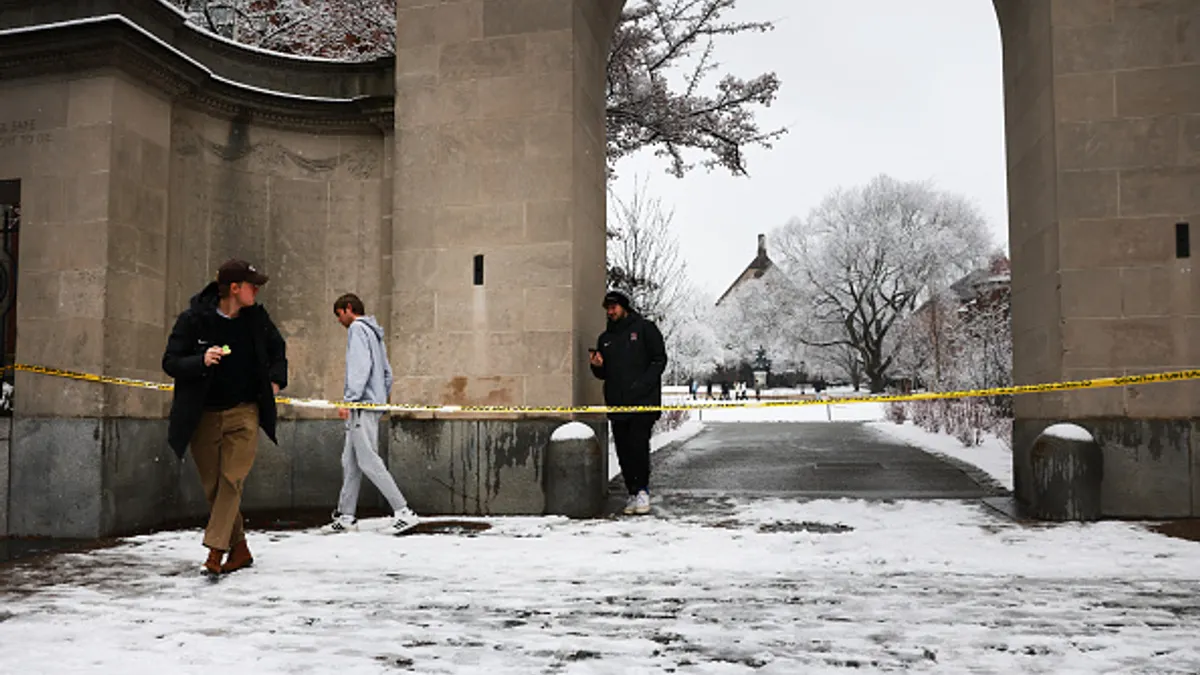
Brown University has added 700 cameras, installed card-swipe readers on buildings that didn’t have them, added cameras to blue-light phones and expanded the number of panic buttons in classrooms as part of its response to a shooting at the end of last year that left two students dead and nine injured.
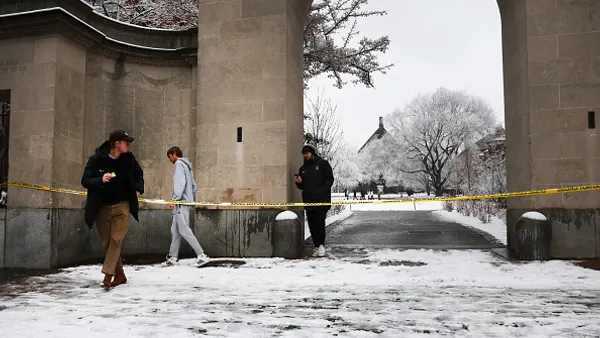
“Brown’s emergency protocols were tested in an unprecedented way on Dec. 13, 2025, when the University became the target for a mass shooting,” says a report released by the private school in Providence, Rhode Island.
A physics student who attended Brown in the early 2000s is alleged to have opened fire in one of the school’s lecture halls. He was found dead a few days later by an apparent self-inflicted gunshot wound.
Three students who survived the shooting sued the school in April, alleging it was negligent. Although there were cameras outside the building where the shooting occurred, there were no interior cameras and the building lacked “secured-entry measures requiring individualized authorization for ingress,” according to the complaint.
Since the shooting, the school has replaced its security chief with a former Providence chief of police, created a university-level security steering committee and brought in consultants to conduct security reviews.
Many of the security improvements the school is making or has completed are procedural. In addition to creating the steering committee, it’s improving the systems students and others use to report suspicious behavior and to send alerts if an incident is occurring. It’s also increasing its threat assessment training and is expanding its campus police force, the report says.
In addition, the school is looking for a permanent solution for evacuations. It’s using two adjacent athletic facilities for the purpose, but it needs a place that can be available at all times. “Non-Brown owned or occupied sites are … being explored,” the report says.
Brown owns some 300 buildings, many of them integrated into city neighborhoods. It’s been increasing its use of cameras since 2012, when it launched a campaign to increase them from about 400 to about 1,200 at the time of the shooting. Since then, it’s added an additional 700.
In a survey the school conducted a few months after the shooting, respondents said they wanted cameras the most. “Fifty-three percent of faculty, students and staff respondents would feel safer on campus if there were more exterior security cameras,” the report said.
Plans to add video to blue light phones that were approved last year were accelerated after the shooting. Blue light phones are emergency communication stations in public areas that can connect callers directly to security or dispatchers.
The school now has almost 2,000 cameras, including at access points at all of the school’s undergraduate residence halls. “More installations are underway,” the report said.
“A secure campus is a necessary condition for fulfilling our mission of education and research,” the school’s president, Christina Paxson, said in a message in the report.