One of the biggest risks data centers face is operational downtime from power interruption, but there’s a good chance the building owner’s business interruption policy won’t cover it, an insurance litigator says. The coverage gap is important to the extent the facility is in an area where grid reliability is an issue, according to Lathrop GPM Partner Alana McMullin.
The typical business interruption policy conditions a payout on physical property damage, so if a data center loses power for reasons not having to do with property damage, the building owner could get stuck with the cost, McMullin said in an interview.
“If there’s a provision in your policy that says you have to have physical damage to your property before your business interruption kicks in, that doesn’t necessarily bode well for data centers,” said McMullin. “A lot of their high-value risk is the downtime based on the lack of connectivity where there may not be physical damage.”
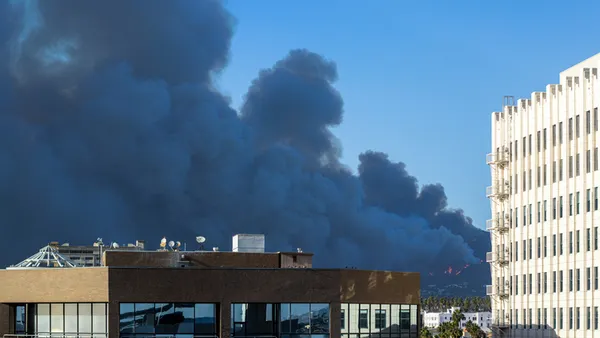
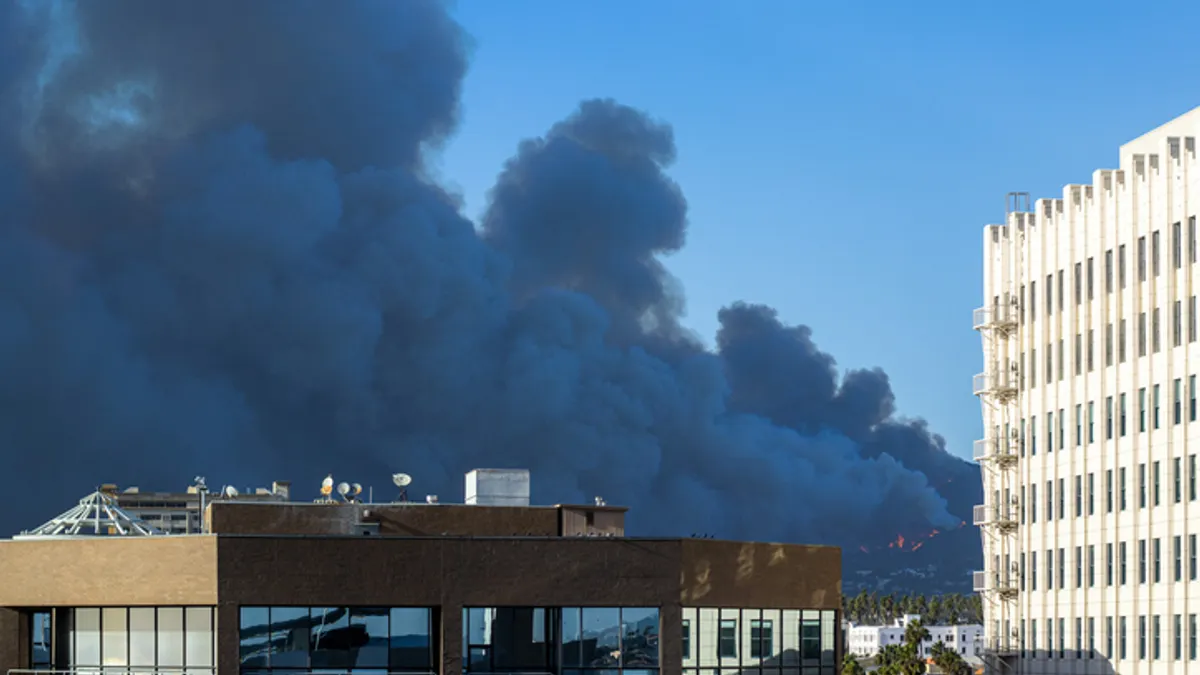
If a data center is damaged in a wildfire or flood, the facility’s property insurance could cover all or part of the cost to make repairs, but the business interruption coverage won’t extend to any downtime caused by power disruption from the natural disaster unless a direct link between the damage and the power disruption can be shown, she said.
“You may have fire damage, but if it didn’t do whatever damage that [caused connectivity problems] that doesn’t mean the loss of connectivity will be covered,” she said.
Facilities typically carry a mix of insurance policies, including property, general liability and business interruption. Depending on the location and the type of disaster risk typical in the area, insurers could seek exclusions or tougher terms, she said.
“A facility that’s in Texas is going to have a different risk than one in Florida,” she said. “In Texas, they may be more concerned about tornadoes. In Florida, they’re more concerned about floods. In California, they’re more concerned about wildfires.”
Location-specific issues don’t mean coverage for unforeseen damage won’t be covered but the policy terms will likely be tougher, she said. “Higher deductible, higher retention, sublimits, aggregate limits — things that are specific to the type of catastrophe.”
Data centers stand out from other commercial property types because of the value of the equipment inside them, she said. “They’re widely recognized as this high-value, high-risk, high-reward operation,” she said.
Because of their value, McMullin recommends building operators reach out to other entities that have a stake in the facility to talk about risk sharing.
“I would … open all avenues of risk allocation when you’re talking about such a high-value operation, where downtime or property damage could just make exposure astronomical,” she said.
The first call could be to the utility, because power disruptions on their side can lead to costs on the facilities side, she said.
“If you can get the utility provider to indemnify or to ensure they have some type of insurance for any downtime or utility interruption that has nothing to do with your facility, that could be one [solution],” she said. “I don’t think there is any reason not to try.”
It’s also reasonable to reach out to any third-party downstream vendor, she said. McMullin didn’t provide examples of third-party vendors to reach out to but they might include companies providing electrical, thermal management and hardware maintenance services.
“Too often … entities might not think about [risk] until something bad happens,” she said. “Whether it’s a catastrophe or general liability, you just want to make sure you’re trying to allocate risk away from yourself.”