Dive Brief:
- Energy affordability is a growing political issue heading into elections this fall, and that’s helping to build awareness about heat pumps, the Building Decarbonization Coalition says in a report, released Tuesday.
- “Utility bills [are] increasingly appearing in campaign debates over cost of living, utility profits, rate cases, data centers, climate policy, and corporate accountability,” BDC says in a press release announcing its Q2 momentum report.
- “Buildings are central to securing long-term energy affordability,” Kristin George Bagdanov, BDC’s associate director of research, said in a statement.
Dive Insight:
Residential energy bills have risen by a median of roughly 17% from 2019 to 2024, which alongside a slew of rate increases and increases tied to data center development have raised the profile of energy affordability as an issue, according to the report.
There have been 22 building decarbonization bills focused on energy affordability and consumer protections introduced in 12 state legislatures this year, with 10 passed into law, the report says.
Among the bills are California’s AB 2313, which would require gas utilities to offer customers an incentive not to replace an old gas service line; Virginia’s SB72, which aims to shift customers from oil or propane to electric heat pumps; and Maryland’s Utility RELIEF Act, which updates the state’s energy investment fund to buttress support of building electrification.
The legislative effort shows that states are using affordability policy to address monthly bill pressure and the underlying systems that determine how energy costs are distributed, which in many cases will result in additional heat pump adoption, BDC says in its report.
Against efforts like these, candidates at all levels can see how energy affordability is on voters’ minds, the report says.
“Failing to include building decarbonization policy in energy platforms indicates that a candidate doesn’t have a holistic approach to ensuring that households can afford to heat and cool their homes,” BDC says in the press release. “This is a basic necessity and an issue that families are facing day to day with real financial as well as health consequences.”
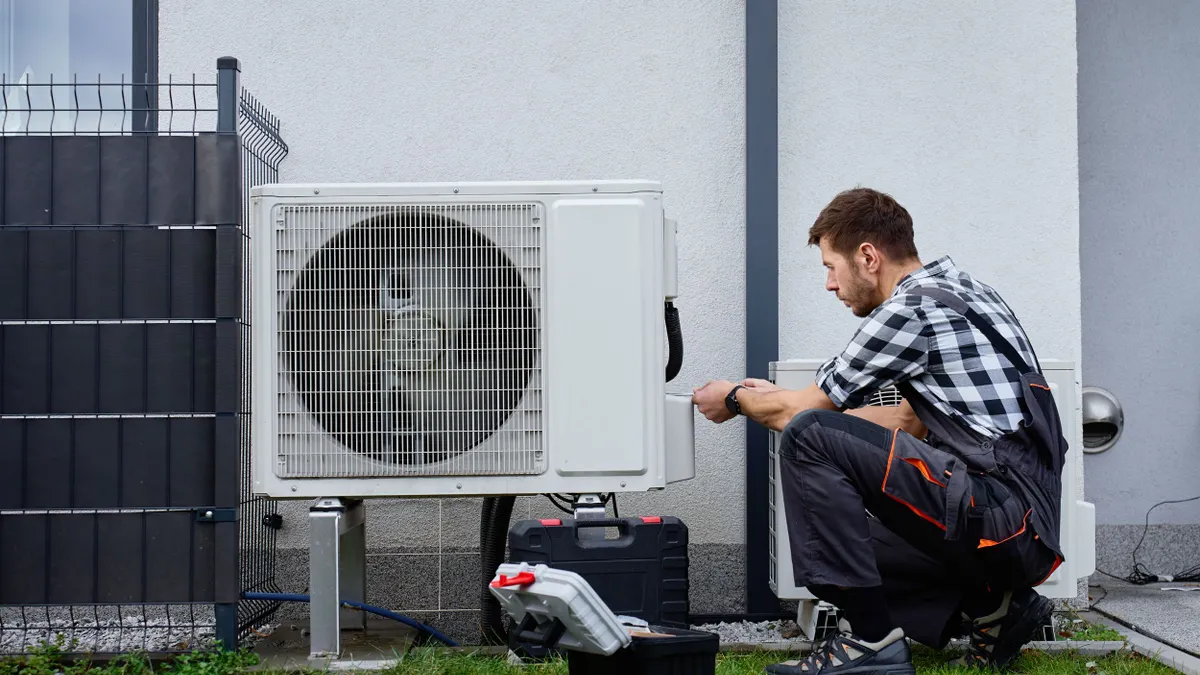
The spotlight on energy affordability comes as heat pumps are making inroads against gas appliances, according to data from the Air Conditioning, Heating, and Refrigeration Institute. Shipments of heat pumps surpassed furnace sales through the first quarter, AHRI data show.
Heat pump shipments were also only 2% less than air conditioners in the first quarter of 2026, the smallest Q1 gap ever recorded between the two, according to the BDC report.
Considering HVAC peak shipments historically occur during the summer months, the organization says it is waiting to see how heat pumps fare compared to fossil fuel furnaces and one-way air conditioners.
“We will be watching closely to see whether this early momentum carries into the warmer months, when shipment volumes typically rise,” BDC said in the report.
The concern over affordability could give candidates an opportunity to address the concern voters have over how money is spent on infrastructure investments.
“While gubernatorial and other political candidates are raising the issue of energy affordability on the campaign trail, few are discussing how reducing utility spending on expensive and unnecessary gas pipelines and other delivery infrastructure investments can help lower utility bills for millions of American households,” the press release said.