Dive Brief:
- Gen Z workers, the oldest of whom are in their late 20s, could help construction and facilities employers address labor shortages while accelerating technology adoption, as they bring experience with digital tools and are willing to question inefficient processes, panelists said last week during a Construction Dive virtual event.
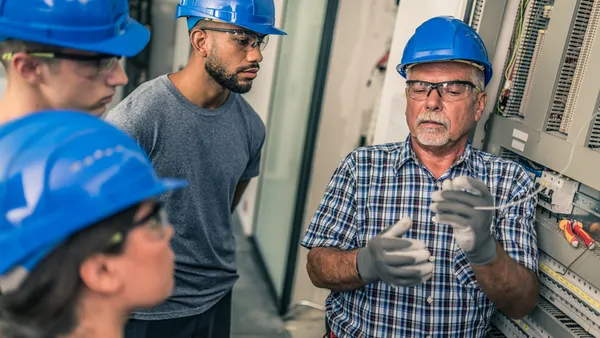
- Employers can leverage those skills by pairing younger workers' technology knowledge with the experience of veteran employees, said Fulton Cure, a consultant at Well Built Construction Consulting. That kind of collaboration can allow younger employees to help experienced workers adopt new technology while learning technical and operational knowledge from them, panelists said.
- Attracting and retaining Gen Z workers may also require employers to emphasize work-life balance, career advancement, job stability and the opportunity to perform meaningful work, according to panelists at Construction Dive’s Aug. 26 Recruiting and Retaining Top Talent event.
Dive Insight:
Gen Z’s comfort with technology could provide construction and facilities employers with an opportunity to improve processes while they replenish an aging skilled workforce, panelists said.
The younger generation tends to question whether long-established ways of performing work remain the most efficient, Cure said.
“Just because something was really difficult and it sucked for you to do it and you had to do it that way, doesn't mean it should continue to suck doing it that way,” Cure said.
That attitude doesn’t that mean younger workers are unwilling to work hard, he said. Instead, many have grown up with technology and recognize that software, digital tools or different processes may allow work to be completed more efficiently.
That perspective could be useful to facility managers as they introduce building management platforms, mobile maintenance applications, digital work orders and other technology while simultaneously preserving institutional knowledge held by experienced employees.
Construction has historically lagged other industries in technology adoption, said Corey Silverman, a safety specialist at Highwire. But adoption has accelerated as millennials have moved into leadership positions and Gen Z employees, who have used technology throughout their lives, enter the workforce, he said.
Cure said companies may be overlooking an opportunity by failing to enlist younger employees in technology implementations simply because they lack the experience or seniority of long-term workers.
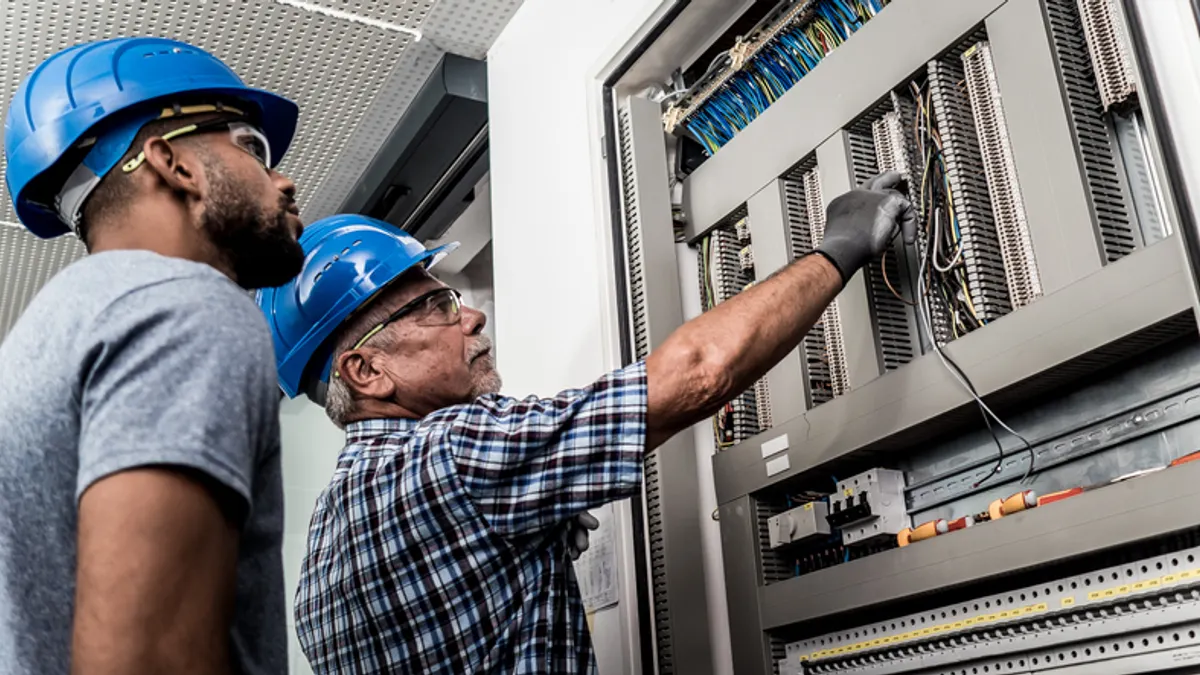
Instead, employers should take advantage of the different strengths of each generation. An experienced superintendent, for example, may possess decades of construction knowledge while a younger employee may be able to learn a new software platform quickly and help the superintendent use it.
Making that relationship work requires “humility from both sides,” Cure said. Veteran employees need to be willing to ask younger colleagues for help with unfamiliar technology, while younger workers need to recognize how much they can learn from experienced employees, he said.
The same approach can apply to facilities organizations confronting retirements and the potential loss of institutional knowledge while simultaneously asking employees to work with increasingly sophisticated building systems and software.
Employers looking to recruit Gen Z, however, may also need to reconsider workplace expectations.
Construction can require demanding schedules and long hours, but Gen Z workers are more likely to ask whether there is a more efficient way to accomplish the work rather than accepting long hours as inevitable, Silverman said.
“If there's a better way, why not explore it?” Silverman said.
Cure agreed. “We’re not anti-hard work,” he said about his generation of workers. “We're not against doing the thing that has to be done. We're just also very in tune with saying there's got to be a better way to do it” and the only solution can't be staying onsite for 12 hours to“bang our heads for the whole time,” he explained.
One of the audience members also agreed. “The industry is resistant to efficiency. It shouldn’t be about hours spent on a task. It is about productivity. But there’s still a stigma about how long you are in the office or onsite that permeates construction,” she observed in a chat message that received support.
Employers can also emphasize career stability and advancement opportunities when competing for younger workers, panelists said.
Jacquelyn Lomano, a project engineer at XL Construction, said stability is one of construction's strongest selling points for Gen Z workers entering an uncertain job market. Silverman pointed to the industry's demand for workers and the sense of accomplishment that can come from seeing a completed building or infrastructure project.
Cure said employers should also make career paths more visible. As experienced leaders retire, younger workers who enter the industry now could have opportunities to move into management and executive positions over the coming decade.
For employers, that means recruiting Gen Z should be about more than filling current vacancies. Giving younger employees opportunities to contribute their existing skills while learning from veteran workers can help companies develop the next generation of skilled workers and leaders.
“If you have some Gen Z folks in your organization, start utilizing those strengths,” Cure said. “I promise you, your company is going to be better for it.”