Dive Brief:
- More than 60% of workers would choose fresher, more comfortable air over high-end amenities, according to a report released last Tuesday by indoor air quality company GPS Air.
- “Employees are looking beyond appearances and paying closer attention to whether a workplace feels comfortable, cared for, and actively managed,” Audwin Cash, CEO of GPS Air, said in a statement. “Indoor air quality is now part of how they decide whether a workplace is worth returning to.”
- More than two-thirds, or 67%, of workers said they would be more willing to work in-person if their company communicated the steps it takes to ensure a comfortable and healthy environment, according to GPS Air, which surveyed 750 U.S. employees working in non-remote environments at least once a week. Even more, 83%, said visible efforts to improve workplace comfort and safety would make them feel more respected as an employee.
Dive Insight:
The findings track with results from JLL’s 2026 global consumer experience survey, which found wealth and wellness considerations increasingly drive people’s decisions on where to live, work and visit.
They also align with a survey by workplace solutions company Fellowes, which found 77% of workers think it's important for employers to be transparent about indoor air quality.
Employees are viewing workplace conditions as a reflection of how well the environment is being managed, GPS Air said.
Almost 70% of employees said that odd smells, dust and temperature swings at least sometimes make them feel their workplace is not being maintained as well as it should be.
“When the environment feels off, the effects can show up quickly in employee behavior,” GPS Air said.
About a quarter of workers said they would report it to management or HR if the environment seemed off. About a fifth said they would power through and endure it. Similar percentages said they would express their concern among coworkers, work from home the next chance they get or take more breaks.
The company said workers want signs that employers are monitoring and maintaining their environment and making improvements when problems arise.
Two-thirds said that improved ventilation, airflow or temperature control would help reassure them their management cares and 60% said they would be reassured by updates about cleaning, maintenance and building conditions.
Almost 40% said they want a system in which they can report issues and see follow-through. Others said a monthly update would be sufficient. More than half said they want either weekly updates or a way to have always-available visibility into conditions.
The findings suggest that employers looking to strengthen the return-to-office experience should make the way they manage space something that’s visible to employees, the company said.
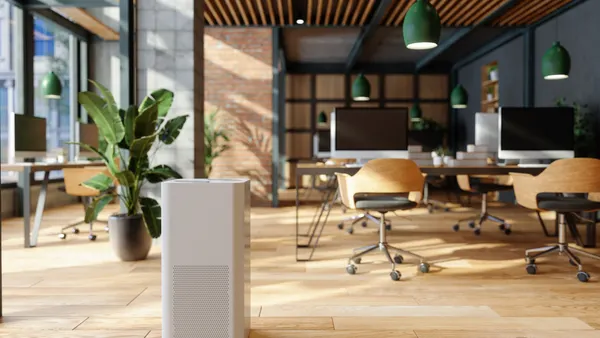
In its report, Fellowes suggested that employers establish and share with employees their IAQ policies, add air purification solutions and install air quality monitors that make data visible to employees. That way, Fellowes said, employees will see the environment is being managed, “even when they can’t see it.” The company noted that 44% of workers want to see visible use of monitors.
Additional measures facilities managers can take to improve employees' view of IAQ management are conducting regular HVAC system maintenance and filter replacements and considering air purification solutions, which 34% of workers want in their workplace, Fellowes said.
GPS Air’s advice is similar. “Making … conditions more visible can help employers build trust, reinforce respect, and give employees more confidence coming in,” Cash said.