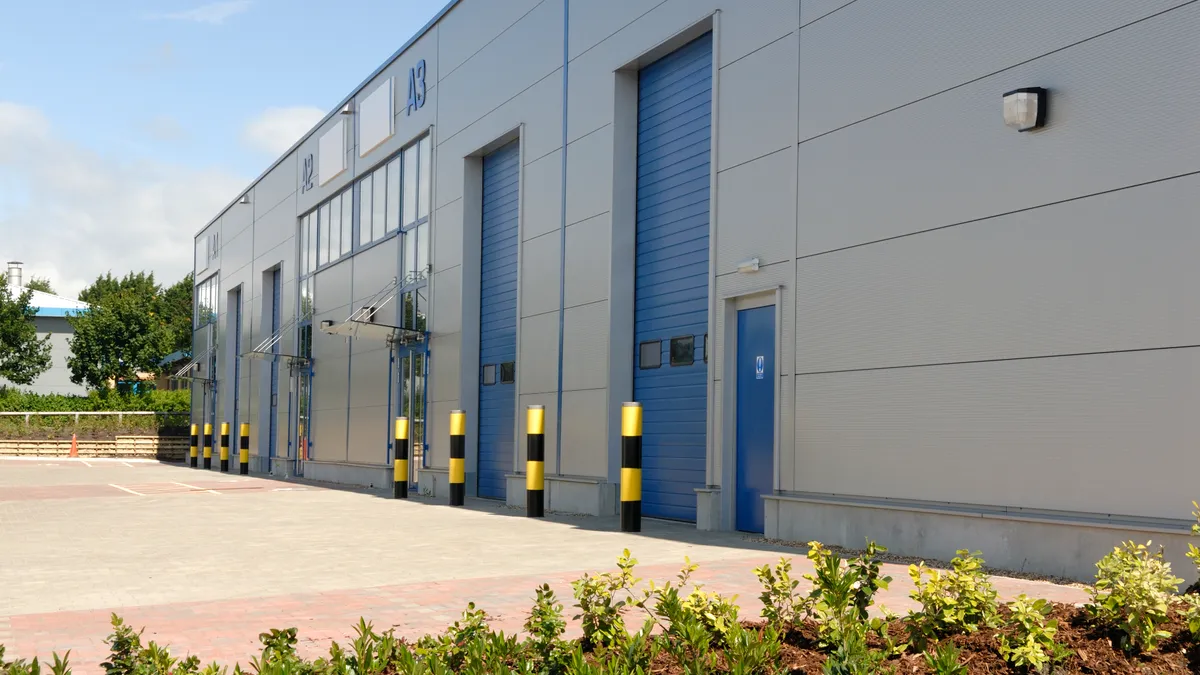
Preventive maintenance that ensures less downtime for tenants is becoming a competitive advantage in industrial real estate markets, especially as many post-pandemic buildings are entering their first maintenance phase, David Weissman, managing partner at Greek Real Estate Partners, said in an interview. Weissman’s company manages about 23 million square feet across 135 buildings in the industrial space.
“Reactive management ultimately [is] going to erode value,” Weissman said. “A more preventive mindset that protects the ownership interest and tenant operation is the ideal approach.”
Since most industrial leases are triple net, many of the maintenance costs are passed through to tenants. A building that has all its systems functioning and has a risk management program in place will have strong curb appeal, he said.
“They want to avoid any variability to their profitability results,” he said. “They can’t afford downtime. They need reliability.”
Following explosive growth in the industrial sector in recent years, which brought a significant amount of Class A facilities to the market, many of those buildings are now entering their first real maintenance phase, Weissman said. At the same time, there are older buildings between 30 and 50 years old that are still in the market.
“Whether it’s a 2021 delivery … or a 1986 warehouse … maintenance is still needed,” he said. “The roof is going to wear and needs to be serviced and repaired so you don’t have a major event. Dock equipment needs to be serviced. If you don’t put a focus on deferred issues, they’re going to compound and they’re going to get worse…. One month passes, two months pass, three months pass, and all of a sudden, a small roof leak leads to a more catastrophic event that requires higher capital.”
When facilities managers shift from a “fix fast” philosophy to one of “fail less,” they can better manage these issues and stop them from piling up, he said.
Tenants have a role to play, too. If they defer maintenance on what they’re responsible for, that can come back to hurt the property value. His company requires, in its leases, that tenants maintain the HVAC system and other building components, like the dock door.
“Let’s say you get the building back, and the tenant doesn’t renew … it’s important for us to make sure that they’re maintaining and protecting the long-term value of the … building,” he said.
His company helps keep building operators and tenants on track by doing regular site visits, taking photos, tracking issues and engaging with tenants.
“First of all, it helps their operations,” he said. “Protecting tenant uptime and protecting their operational capabilities ultimately is going to result in what we believe in — longevity and tenant relationship renewals.”