Dive Brief:
- With less relief from government reimbursements, persistent inflationary pressure and tight labor markets, healthcare occupiers are expected to prioritize cost savings in their real estate strategies, according to a CBRE report.
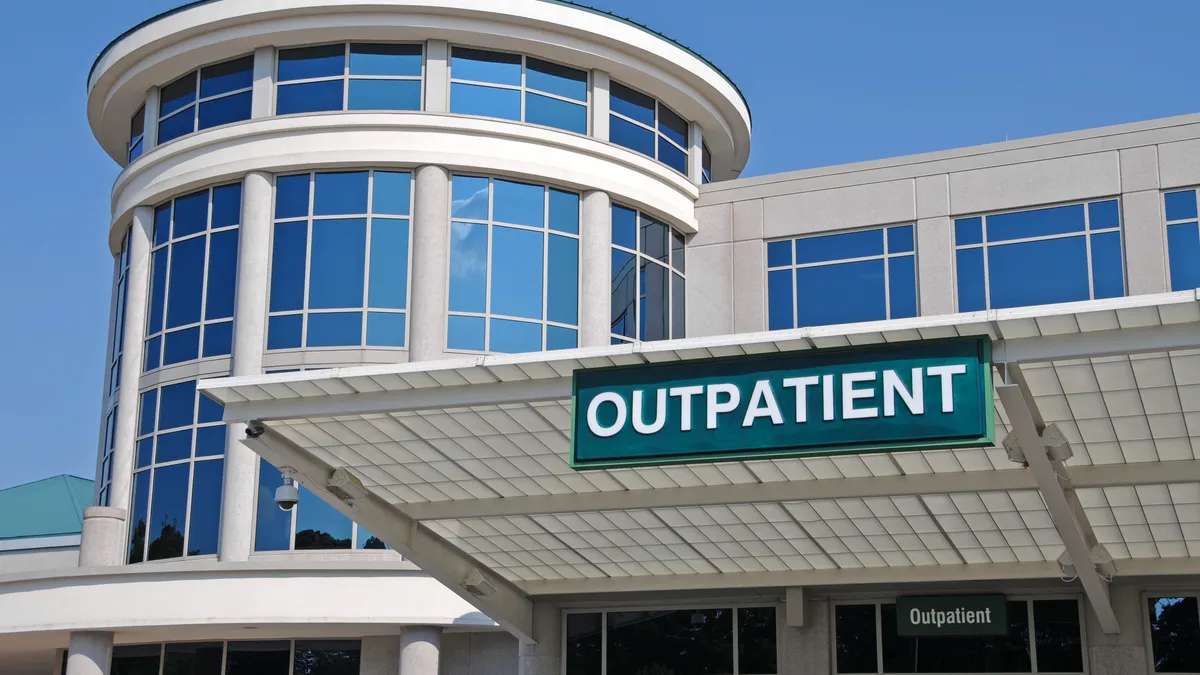
- Medical outpatient building, or MOB, construction completions declined in 2025 and will drop another 26% in 2026, reaching the lowest level in over a decade, CBRE says. Completions of on-campus hospital facilities will contract even further, pushing occupiers into second-generation office and retail space that will drive MOB rents to historic highs by the end of 2026, CBRE says.
- While some providers will be impacted more than others, outpatient real estate demand is expected to accelerate as restrictions relax on in-patient care and providers seek more affordable options to deliver healthcare, CBRE says in the report.
Dive Insight:
The U.S. population aged 75 and older is growing by more than 1 million per year, triple the rate of the past 40 years, according to the report. The aging population, increased healthcare spending, an expanding healthcare workforce and proliferation of technology are supporting greater MOB demand, CBRE says.
But following enactment of the One Big Beautiful Bill, or OBBBA, more than $1 trillion in healthcare spending reductions are forecast and 14.2 million more people are expected to be without healthcare insurance, according to CBRE’s report. Medical supply costs rose 3.4% in 2025 after a slight decline in 2024.
As a result, healthcare providers will place greater emphasis on portfolio optimization and more affordable outpatient facilities, CBRE says.
In the third quarter, MOB investment volume increased 27% quarter over quarter, with an average sale price of $298 per square feet, up 51% compared with the $197 per square foot for traditional office buildings, CBRE said in a separate report. Average asking rents remained at a record-high of $25.20 per square feet, up 50 basis points year over year.
Due to fewer new construction completions, MOB rents are expected to reach historic highs by the end of 2026, led by markets in the southern and western U.S., the report says. MOBs near high-traffic retail corridors and high-income areas could realize higher rents and occupancy, CBRE says.