CHARLOTTE, N.C. — There are many overlooked areas in a facility where germs can hide, posing health risks to occupants and disrupting operations, cleaning specialists said at NFMT East 2026 last week.
“It doesn’t matter what type of facility you’re in: a school, a college, a hospital, a nursing home. When you talk about the environment that we’re in, there’s a lot involved,” John LaRochelle, president of Lighthouse Environmental Infection Prevention, said in a session on curbing pathogen spread. “It’s the surfaces. It’s the equipment. It’s the drains. So, everything within that facility. But it also includes air and hygiene. All those things contribute to the spread of germs and infections.”
Cleaning can combat these risks, but it needs to be approached like you’re following a recipe, with the right mix of people, process and technology, LaRochelle said. If you miss an ingredient or mix up the order, you’re not going to get the result you want, he said. “Focus on … that recipe and following the right instructions and guidelines,” he said.
Research on germs and infection risks in indoor spaces has accelerated since the pandemic, LaRochelle said. One study even found that pathogens could actually increase after cleaning, he said.
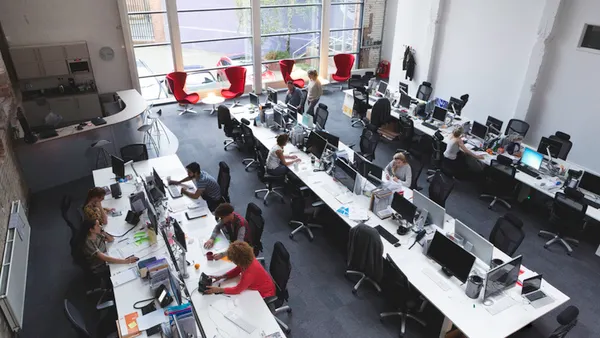
“You don’t realize how rapidly and how many surfaces you’re touching [or] how often you touch your face and different surfaces,” said Charles Gerba, professor of microbiology and environmental sciences at the University of Arizona. “Usually during an average work day, you’re touching hundreds of surfaces, which many other people touch on a regular basis.”
Some surfaces are touched more than others, like the first floor elevator button in a hotel, Gerba said.
Studies have also shown that people tend to touch their face more in an office building than if they’re alone, he said.
Factors like these can result in fast transmission of infectious disease and pathogens, Gerba said. To combat the spread, it helps for building staff to focus not only on where they are cleaning, but how.
How things move in an environment is complex, the speakers said. Although germs live in pipes and on surfaces, they don’t stay there on a regular basis, Gerba said. Instead, they aerosolize and move around with air in the building.
If someone catches norovirus in a hotel and throws up on the carpet, for example, the vacuum used to clean it up could hold onto the pathogen and release it again into the environment the next time it's used, he said. Pathogens may also cling to soft surfaces like drapes and release when moved.
Areas where facility managers could target for better cleaning include sinks and drains, towels and fabric and automated dispensing systems, LaRochelle said.
A drain’s P-trap, for example, often holds water that can contribute to the growth of biofilm, a protection layer of pathogens that can protect germs from cleaning methods and create a staging ground for infections.
“The biofilm on the side of that pipe will grow one inch a day and right out into the sink,” LaRochelle said. “When you’re running the water to wash your hands, to clean dishes, it’s air hitting that drain and aerosolizing these harmful pathogens throughout not only that sink, but throughout the room.”
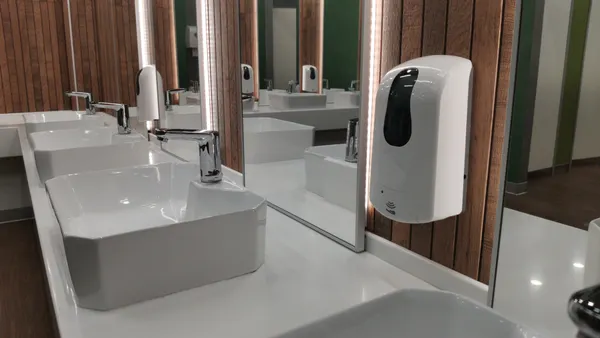
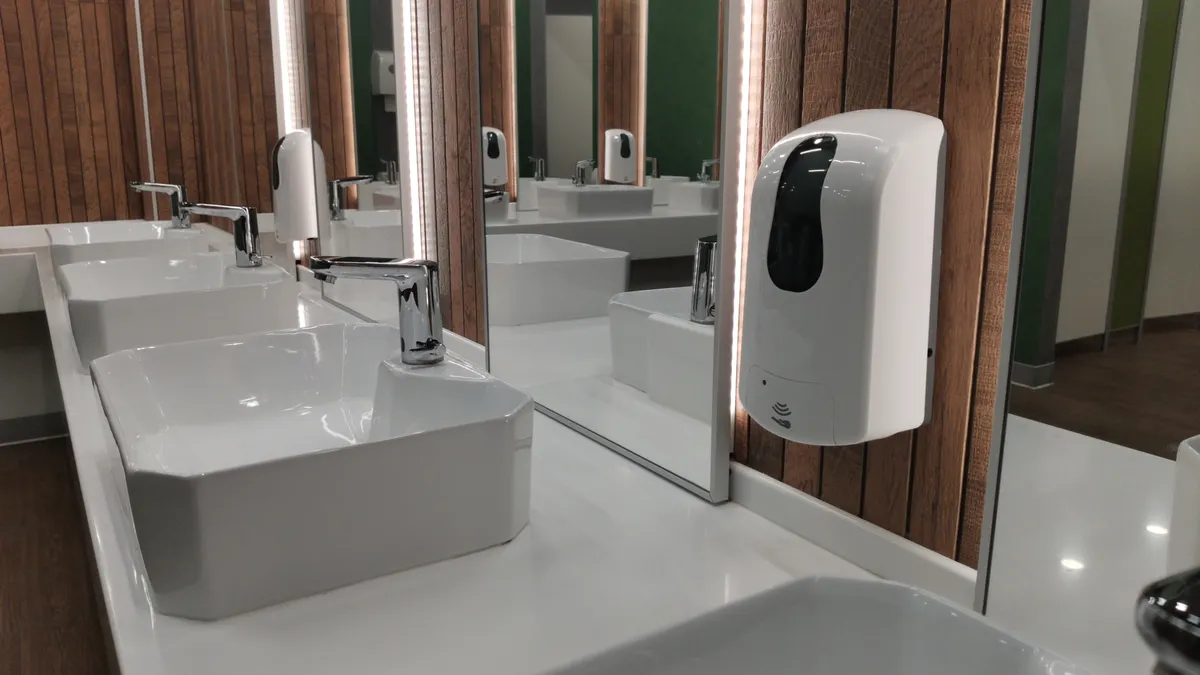
Automated dispensing systems are another spot that facility managers should check as part of their regular maintenance, LaRochelle said.
During a study of 10 hospitals, 90% had malfunctioning dispensers, he said. “[Some] 27% of the dispensing systems did not dispense properly, so there were lower parts per million [of disinfectant], or maybe it was too high,” he said. “And then 14% of the study tests showed no disinfectant left. These automated dispensing systems are good, but they’re only as good as the components. The O-rings, the governors, or it could be the water pressure. So evaluating your dispensers is critically important.”