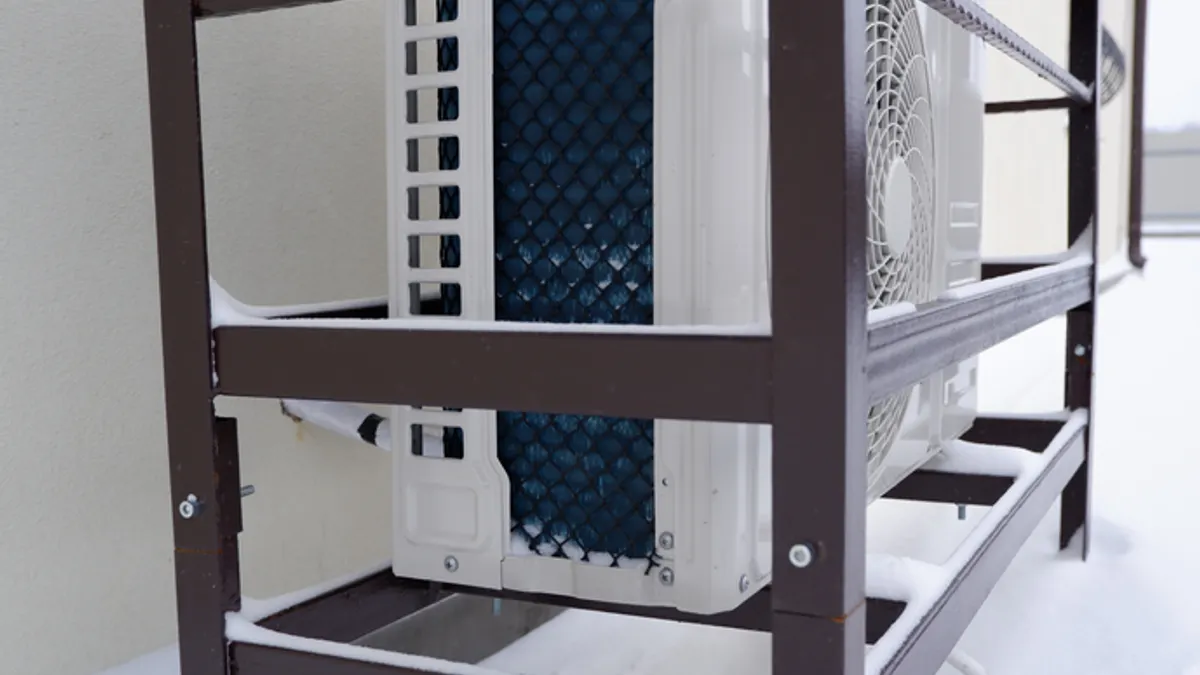
Colorado has had a number of days when temperatures dropped to negative 15 degrees Fahrenheit or colder in recent years, and heat pumps performed well, which should put to rest lingering doubts critics have about the technology’s cold-weather performance, said D.R. Richardson, CEO and co-founder of Elephant Energy.
“Our lived experience is that these heat pumps do work well in extreme cold snaps,” Richardson said in an interview. “We’ve had about six days where the lowest temperature has gotten to about negative 16 degrees Fahrenheit and the high temperature has not gotten above 10 degrees.… Heat pumps, even without electric resistance backup, when designed, scoped and installed correctly, have been able to provide sufficient heat through these coldest days.”
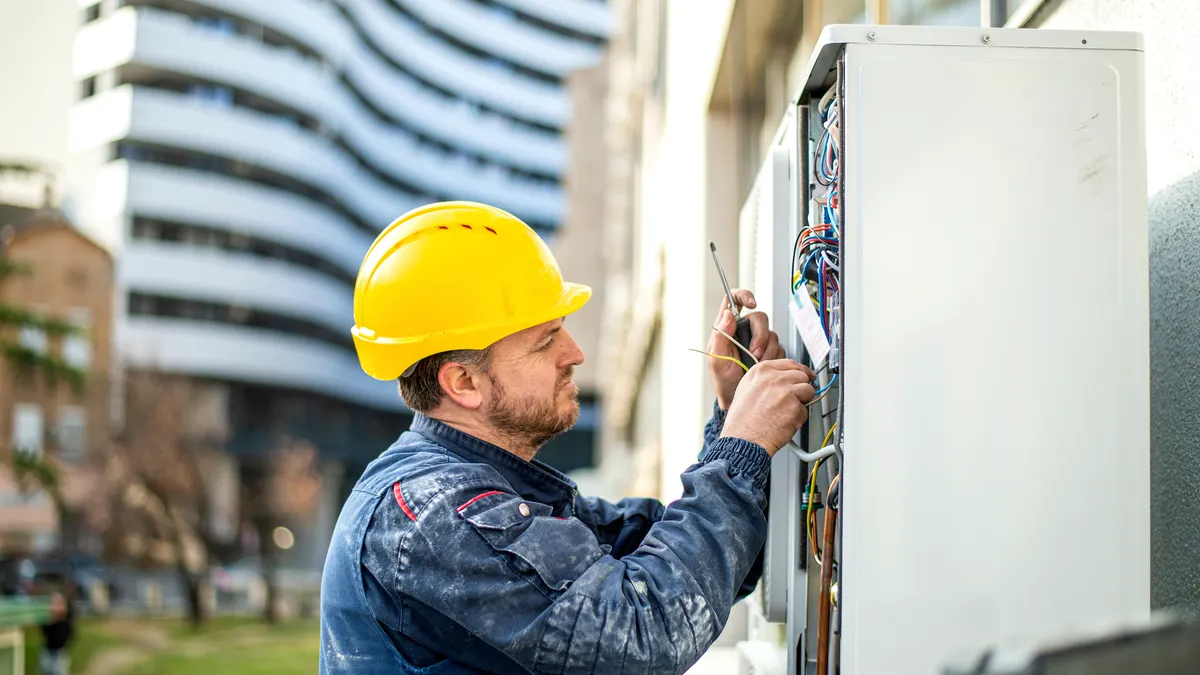
Performance problems in extreme weather conditions come from poor installation, he said. “Heat pumps have a lot of technology — a pretty sophisticated computer on board — so performance depends on getting the right system installed,” he said. “A furnace you can install [easily]. It’s just basically on or off. It’s an old school, single speed system. With heat pumps, you’re managing the refrigeration flow and the onboard power electronics. It’s about getting the dip switches correct, making sure everything is torqued to the right specifications from a pressurization standpoint [and] making sure everything is locked down to the ground [to protect against wind].”
All these small things add up to become important to the longevity and the performance of the system, he said.
Richardson started Elephant Energy five years ago to help businesses and consumers select the right system for their needs, have it installed correctly and access the incentives that utilities and public agencies offer to encourage electrification. The company operates in Colorado, Massachusetts and Los Angeles.
Electrification gains
Richardson said the rebates and tax credits that utilities and agencies offer are speeding up electrification, but ultimately it’s the technology’s efficiency that’s winning over holdouts.
“The economics and the physics of clean energy are always going to win,” he said. “It will always be cheaper to produce clean energy, locally, and have that provide heating and cooling versus running gas transmission lines and piping gas from all across the country. So the biggest bottleneck is reducing regulation around these things rather than giving one side a leg up.”
Even in a state like Colorado, where coal powers about a third of the grid, the efficiency of heat pumps offsets a big portion of the carbon that’s released, he said.
“Because heat pumps … aren’t creating heat but moving it from one place to another, their efficiency numbers are 300-400%,” he said. “So, for every one unit of energy you put in, you get three to four units of heat to come out — unlike with a gas furnace, where, for every one unit of energy you put in, you get 96% of that in terms of heat.”
And then there’s the role of electrification in organizational resilience, he said.
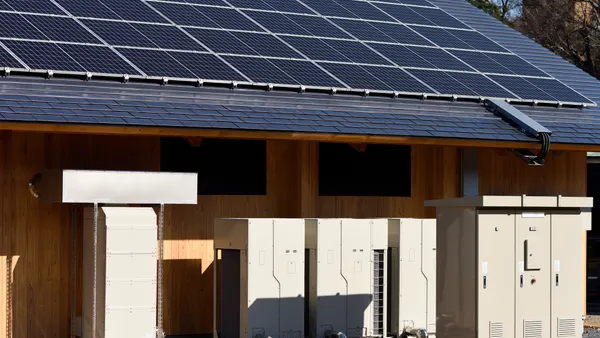
“A building can never produce natural gas on site,” he said. “You can produce all the electricity you need for most buildings on site. You can start with … a little bit of rooftop solar and a little bit of battery. That’s going to let you disconnect from the grid in periods of instability and uncertainty, so that’s the fastest way to get resiliency.”
Even with mixed messages on renewable energy coming out of Washington, momentum for electrification will stay strong, he said.
The “federal policy whiplash” is bad news, he said, but in the markets where his company operates, there are no signs of a retreat. “They all have progressive policies, not just in government but the utilities as well for encouraging electrification.”