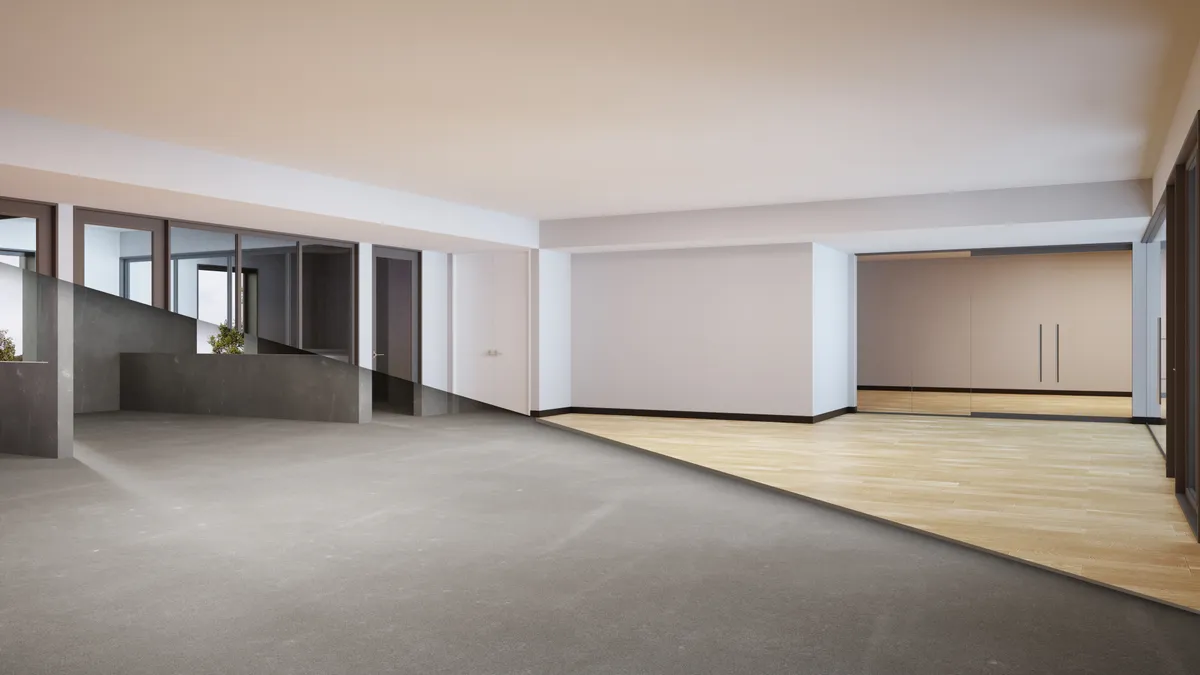
Adaptive reuse projects, where buildings are converted to multifamily or other property types, are accelerating at a record pace, according to a report by property management software company RentCafe.
Almost 25,000 apartments were completed from adaptive reuse projects across the U.S. in 2024, up more than 50% from 16,513 in 2023 and 12,765 in 2022, the report says. Hotels were the top category, at more than 9,100 units, while office conversions accounted for almost a quarter, or 5,889 units.
Conversions, along with demolitions, will reduce U.S. office inventory more than new office space deliveries will add to the stock this year, CBRE said earlier this year. That should help reduce vacancies and support market recovery, it said.
Last year, developers focused almost exclusively on hospitality buildings for adaptive reuse projects, RentCafe said. More than 93% of newly converted apartments originated from Class B and C hotels, which are more vulnerable to market uncertainty than Class A hotels, the company said.
Revamped office buildings provided nearly a quarter of all units, representing a 34% increase over 2023. In contrast with hotels, many of these units were attractive and modern Class A office buildings, the company said.
“Notably, newer, high-quality buildings led the way in 2024 because they offer big advantages for conversions,” RentCafe said in its report. “They usually have modern infrastructure, great locations, and make more financial sense. On top of that, they’re especially attractive for luxury apartment projects, which match what many investors are looking for.”
Last year saw the second-highest total of office conversions on record, just behind the 2020 peak, when about 6,000 units were created from unused office space, the report says.
Other building categories, like schools, are experiencing significant growth in the adaptive reuse sector, with 2,000 apartments created from former schools in 2024, the highest on record and a fourfold increase over 2023, the report says. Declining student enrollment in some urban areas and the high cost of renovating historic buildings have helped school conversions jump from 3% of new adaptive reuse apartments in 2023 to 7.9% in 2024, making it the fastest growing segment, the report says.
More momentum lies ahead, according to RentCafe, which found that roughly 181,000 apartments are now in various stages of development across the U.S., up 19% from the year prior. This is mainly from office spaces, where roughly 78,500 units are in the pipeline for conversion, compared with 35,800 hotel apartments and more than 31,000 from industrial buildings, according to the report.
The number of conversion proposals has increased every year this decade, according to Yardi’s June 2025 National Office Report. From 2018 to 2024, the U.S. averaged 58 office conversions annually, according to CBRE’s report. In 2024, 94 projects totaling 13.1 million square feet were completed, while about 68 conversions totaling 12.8 million square feet are expected to be completed in 2025, CBRE said.
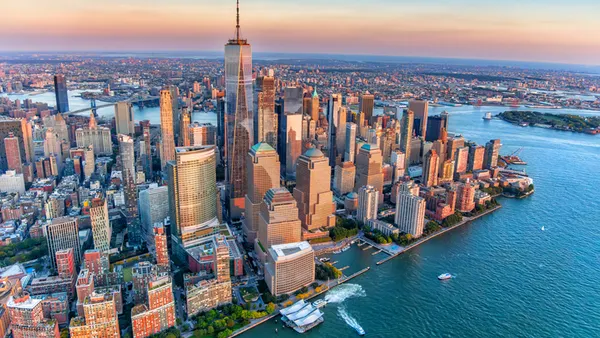
Chicago led the nation in the amount of apartments from adaptive reuse projects, delivering 880 units in 2024 through the conversion of four properties. Manhattan in New York City, which previously held the top spot for apartment conversions, fell to fifth in the nation behind Chicago, Denver, Philadelphia and Dallas, RentCafe per the report.
Each of the top 10 cities by number of converted apartments in 2024 delivered over 500 apartments, “a significant change compared to 2023, when most cities had completed around 300 units,” RentCafe said.