
Deciding where, when and how to invest in facility upgrades is a critical task, and to manage budgets effectively, leaders must prioritize improvements that deliver the greatest long-term benefits. The old adage is that the best time to make an upgrade was 10 years ago, and the second-best time is now. In today’s environment, this saying is more appropriate than ever — and it’s why upgrades and deferred maintenance projects should be prioritized to generate savings today and into the future.
“Every year that you wait is another year paying higher bills,” says Dave Mowery, Director of Energy Engineering at NORESCO, which helps customers modernize aging building systems and upgrade energy and water infrastructure to meet evolving demands. “But one of the biggest challenges for some facility managers is just knowing where to start,” he adds.
Fortunately, for educational campuses, correctional institutions, hospitals, government facilities and commercial buildings, several approaches can improve efficiency and save on long-term costs. Facilities managers can start by partnering with an organization that not only helps them prioritize upgrades but also assists with contracting structures that meet their needs.
As Mowery notes, “There is no one-size-fits-all solution in this business, but there are numerous options, depending on the facility owner’s goals and priorities.”
Gain quick wins with lighting and water
When facilities managers aim to improve efficiency, lighting is often the first solutions they examine. Why? Because this is essentially low-hanging fruit.
Lighting upgrades to LEDs, occupancy sensors and other commonly available efficiency measures provide quick ROI because they save significant amounts of energy with a relatively small investment. Lighting upgrades can also make a major aesthetic improvement to interior spaces, enhancing the working or learning environment for building occupants, making new lights an upgrade everyone can see right away.
However, as Mowery points out, facility managers shouldn’t ignore water conservation as another significant source of savings. “We’re seeing huge increases in water rates across the country,” Mowery says, “especially in regions with aging infrastructure or water scarcity.” In facilities with high water usage — particularly resident halls, healthcare facilities and correctional facilities — water can be one of the most expensive utilities. While water itself may not contribute to a facility’s carbon footprint, improving water efficiency in showers, lavatory sinks and scullery/dishwashing systems can save both water and water-heating fuel.
Irrigation systems can also be optimized with weather-based controls. These upgrades are increasingly critical in naturally dry areas or those experiencing drought, but they can save money for facilities anywhere and are relatively low-cost to implement.
Explore retro-commissioning for facility “tune-ups”
How much can your facility save just by fixing inefficiencies in your existing equipment? In certain cases, it can be up to 20% of a building’s annual energy costs. Retro-commissioning tests systems like HVAC to identify any issues stemming from construction or that have developed over the years of use. Like a car tune-up, retro-commissioning identifies immediate repairs that are typically not capital-intensive.
“It’s rare today to find a building that doesn’t have some level of automation or digital HVAC controls, but opportunities for improvements may still exist,” Mowery says. “Systems may be out of calibration, or settings may have been overridden at some point and never set back to proper operation. Retro-commissioning can document these deficiencies and help you narrow down your maintenance priorities.”
For example, NORESCO engineers identified upgrades to water pumps, chillers, kitchen ventilation systems and leaky valves in a large hotel through a retro-commissioning study. The resulting upgrades were projected to save 7% on annual electricity costs and 4.3% on annual gas costs.
Deferred maintenance and carbon-footprint reduction
For facilities looking to tackle more comprehensive building upgrades, engaging a partner to provide expertise and assistance may be a viable option. An energy savings performance contract (ESPC) is one route for developing, implementing and financing larger-scale upgrades because it uses the savings generated by the upgrades to pay for the project. A well-designed ESPC can leverage savings from low-hanging-fruit energy measures to address deferred maintenance items and even larger, capital-intensive upgrades, requiring little or no up-front expenditure.
For example, central heating/cooling plants are a major driver of energy use, and updating this infrastructure is essential for long-term reliability and sustainability. These upgrades may seem daunting, but an ESPC presents an attractive option. Managing the financing with the savings generated allows facilities to see long-term savings without prohibitive upfront capital expenditures.
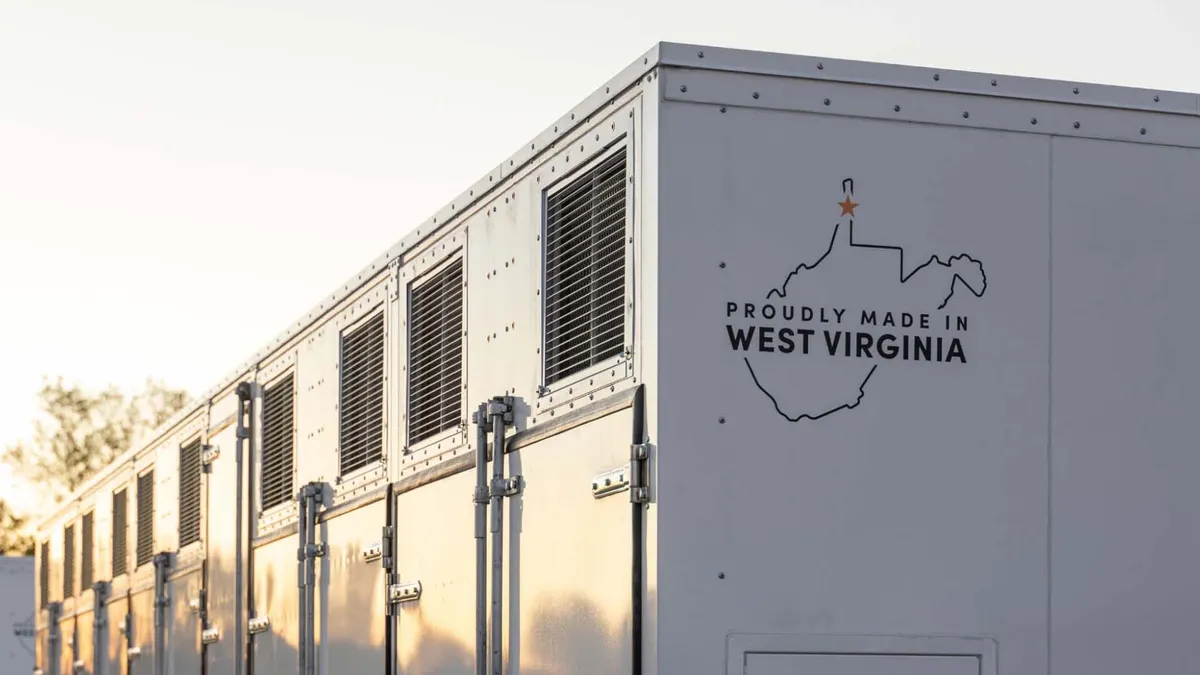
These financing structures are also ideal for building owners seeking to reduce reliance on fossil fuels and lower their facility’s overall carbon footprint. Heat-recovery chillers, for example, are an option for generating heat without using natural gas. Renewable energy installations like solar panels and even battery energy storage systems (BESS) can lower electricity bills and increase facility resilience, and microgrid solutions with distributed energy resources can be in sync with local grids or fully independent.
As energy prices continue to rise, these are long-term improvements to weather any changing economic conditions and meet critical sustainability metrics. The key is to work with a partner who can collaboratively design and develop the upgrades along with a financing structure that makes the most sense for a given facility.
“A well-crafted ESPC can not only reduce your utility bills and carbon footprint, but it can set you on the road to having the kind of buildings you want for the next 20 years and beyond,” Mowery explains.
Investing today in tomorrow’s facilities
Efficient use of electricity, fuel and water delivers immediate benefits, whether through a quick tune-up of existing infrastructure or an entire system overhaul. But efficiency also sets facilities up for future success — as comfort is improved and system reliability is assured, those facilities are better positioned to provide long-term service to building occupants.
Identifying the right upgrades is the first step, and by partnering with the right organizations, all types of facilities can gain the flexibility and expertise they need to make wise investments today and tomorrow.
Contact NORESCO to discuss the right energy service partnership for your facility.