Facility managers can expect to face burst and leaking pipes this weekend if their area gets hit with the potentially catastrophic ice and snow storms moving across the United States. Freeze-thaw damage is the most common type of damage caused by winter storms, yet it’s easily preventable, says Tim Eyre, vice president of marketing at RestoPros, who shared tips on how to prepare as storms approach and respond in case of damage.
About 140 million people are under weather watches as an ice storm and heavy snow looms for much of the country between New Mexico to the Carolinas, according to PBS News.
With global insured catastrophe losses near $107 billion in 2025, according to a Swiss Re Institute study, property owners and managers are under growing pressure to reduce avoidable weather-related losses and business interruptions. Freeze-thaw water damage like water leaks and frozen pipes cost about $10 billion annually, but are actually one of the most preventable winter disruptions, so facility managers should complete a winterization checklist to reduce the risk of burst pipes and prepare for the worst case scenario in case they do burst, Eyre said.
Metal cools faster than water, so when the weather gets colder and there are large shifts in temperatures it can wreak havoc in plumbing, causing fractures and other issues that you might not notice, according to Eyre.
“There may not be a pipe burst, but it starts to wear over time. And when it gets really cold, water can freeze. Generally, when you have a flow of water anywhere around like 20 degrees Fahrenheit, you’re in that danger zone,” Eyre said in an interview. “So it’s important to have flowing water. And those rapid changes in temperatures can cause a lot of stress on the infrastructure of plumbing systems, especially where you have your fittings, where it could wear and tear, and then some pressure builds up.”
Once pressure builds and the water starts to freeze, it expands, “and that’s where the issue really starts to arise.… It doesn’t have to freeze a lot, [but] it will find the path of least resistance so it can get out. That’s oftentimes where you see pipes burst and cause some real damage,” he said.
To prevent this scenario, building operators should prepare, Eyre said. Pipes tend to freeze and burst when there is low air circulation and exposure to the exterior — stairwells, garages, attics, basements and vacant areas — so identifying those and keeping the temperature at least 55 degrees to keep circulation going is critical, he said.
“When things start to get stagnant, just like the water itself, it’s more likely to freeze,” Eyre said.
Another issue is making false assumptions that, because nothing happened during previous cold winters, this time will be fine. “It’s a matter of time, especially some of the older properties … that installation can wear out and deteriorate over time. Cracks in some of the plumbing systems don’t always manifest immediately, so don’t ever assume that you’re going to be in the clear because you haven’t had an issue before,” he said.
Once facility managers have taken inventory of susceptible areas, they can take steps to prevent freezing pipes anytime the weather drops below 20 degrees Fahrenheit. For example, keeping circulation in those areas and putting heat blankets on pipes that stand out as potential issues, according to Eyre.
In the event pipes burst or leak, facility managers should act quickly, he said. If you’re having an emergency event where there’s a frozen pipe and water spewing out, facility managers should first identify the main water supply and relieve those pressure valves while you turn the water off.
“That’s the first thing to do — try and minimize as much immediate damage as you can,” Eyre said. “From there, once the problem is right in front of you, don’t make the assumption that you can figure it out on your own. So much of the damage can’t be easily identifiable. Once it happens, it happens, and water starts to spread.”
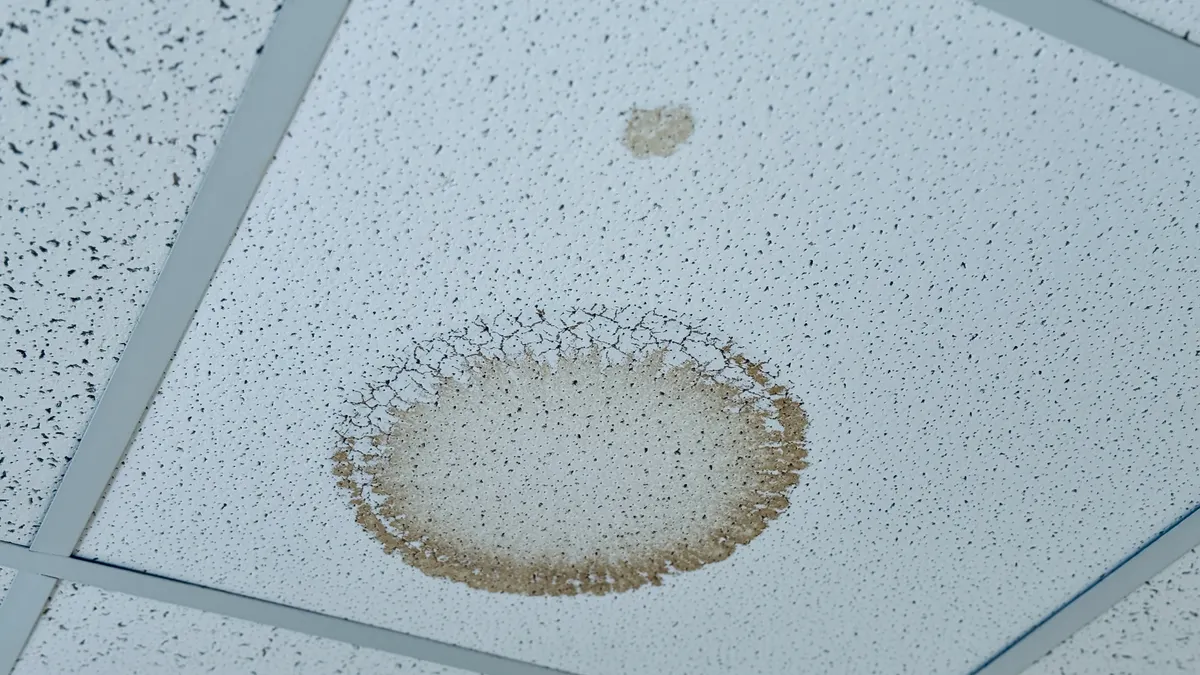
The immediacy of action is crucial because insulation and building materials like drywall soak up water. “The longer you wait, what you see isn’t always the extent of the damage happening,” Eyre said. “Growing mold can also happen pretty fast. If you leave something untreated or make assumptions that the damage is minimal on the outside of the wall … more often than not, damage, unfortunately, tends to be much worse than what you can see.”
Whenever you come across something that could be a leak or cracked pipe, don’t make assumptions that there’s not an underlying issue that could cause a more damaging event, according to Eyre. “Better to be safe than sorry. Get professionals out there to make sure that everything’s good to go and really minimize that damage. And take photos of anything, evidence of anything that may happen in this space,” he said.
“Don’t wait. The longer you wait, it becomes a much bigger issue, [especially] if you have to displace tenants and things like that,” he said.