Dive Brief:
- A technology startup is trying to use AI to change how organizations investigate safety incidents so the causes are better understood and the likelihood of future incidents reduced.
- "Every serious incident leaves behind a trail of signals, but today those signals are scattered across interviews, documents, and disconnected systems," Joseph Hanna, co-founder and CEO of Haven Safety Corporation, said in a statement. "We built Haven to connect those dots automatically.”
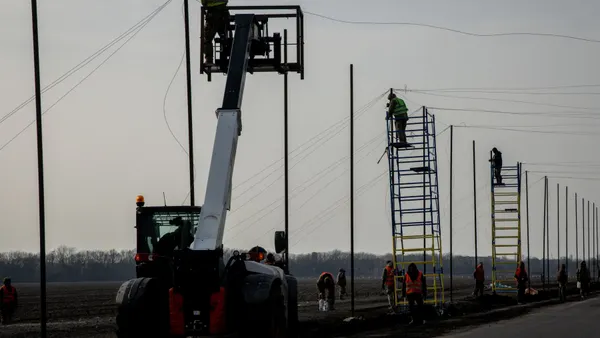
- The San Francisco-based company launched earlier this month with a focus on organizations that have elevated risk profiles, like those in the energy, utility, manufacturing, logistics and construction space.
Dive Insight:
The company describes its platform as an AI copilot for safety teams because it automates how witness statements are structured, evidence is gathered and timelines constructed in safety investigations.
“Most organizations still analyze [data from investigations] manually," said Andrew Ng, managing general partner at AI Fund, an investor in the company.
When investigations are conducted manually, it’s harder for organizations to identify root causes and find patterns among incidents, Hanna said. To turn the investigations into a more structured process, the platform collects and processes witness statements, images and frontline observations, the company says. It looks at the data for causal patterns, recommends corrective actions and tracks outcomes to identify indicators of future risk.
AES Corporation, which has energy operations in about a dozen countries, has been using the platform as one of the startup’s partners. “Haven allows our crews and safety teams to quickly digest more insights than traditional tools on the market, going from incident, to cause, to corrective actions at … speed and scale," said Chris Shelton, AES chief product officer and president of AES Next.
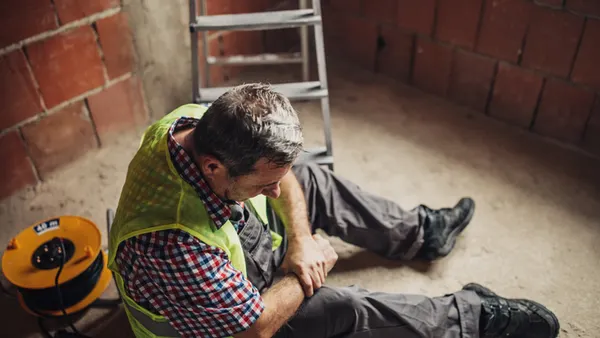
Workplace injuries cost U.S. businesses $176 billion in 2023, according to the National Safety Council. That works out to $1,080 per worker, $43,000 for each injury requiring medical attention and $1,460,000 for each death.
“Our goal is [to] help safety leaders understand risk sooner, act faster, and prevent the next incident rather than just documenting the last one," Hanna said.