The commercial real estate sector is likely to improve in 2026 as a result of lower interest rates and robust deal flow, leading to increased leasing activity and higher investment volume, according to integrated real estate giant CBRE.
Office and retail sectors in particular are primed for growth as they continue to shrug off pandemic-era disruptions, the company said in its 2026 U.S. Real Estate Market Outlook.
Shifts in consumer behavior, workplace trends and technology use, particularly AI, will require occupiers to prioritize adaptable layouts and infrastructure readiness, the company said.
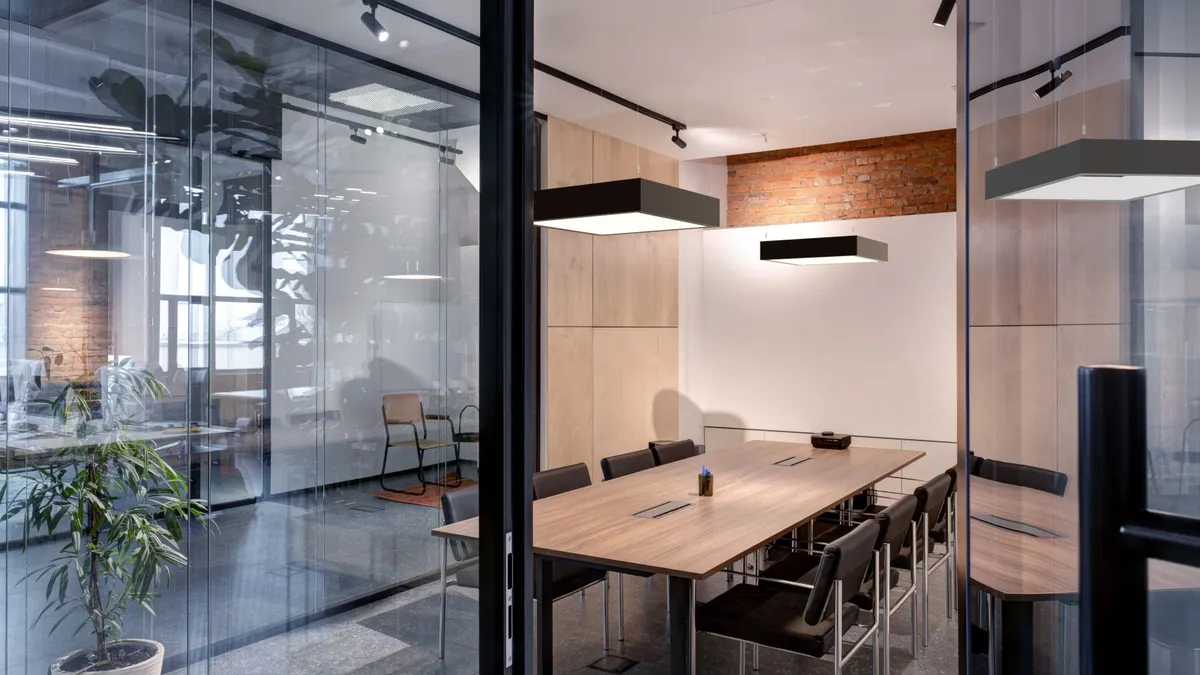
Performance of the office market will vary greatly between newer prime buildings and older, secondary buildings, fueling more scarcity of prime space by year-end and creating spillover demand for the next tier of space — properties located adjacent to prime buildings with well-positioned amenities like proximity to public transportation and on-site food and beverage options.
“Prime office product has seen consistently positive absorption, even during the height of the pandemic,” Stefan Weiss, head of office research at CBRE, said on a webinar Thursday. “Now that the market for trophy quality space is tightening in most markets, we’re starting to see early signs of that demand spilling into the next tier of product.”
New York City is one example where you can no longer find quality space in quality locations, he said.
Dallas, Phoenix, Tampa and Charlotte are other markets that are relatively far along on their recovery path, he said.
Although the non-prime segment of the market is seeing year-over-year vacancy declines for the first time in five years, that doesn’t mean all of the buildings in the segment are performing well, Weiss said.
“Frankly, far from it,” he said. “Occupiers are showing us in their actions that they see quality space as integral to their business needs in 2026.”
“Prime assets will command premium pricing, while non-prime options offer room for creative deal structures and adaptive reuse strategies,” CBRE said in its report. “Renewals — especially for office and industrial space — will often have more tenant-favorable terms, including higher tenant-improvement allowances and more free rent.”
The company expects large users to continue to return to the market, helping office leasing activity improve in 2026 to surpass 2019 levels.
In retail, CBRE expects growth in grocery, discount and service retailers that rely on physical locations to reach customers. “Digitally native retailers have come to realize that physical stores are really critical for almost every aspect of their business, whether it be fulfillment to brand awareness to customer acquisition,” Ebere Anokute, U.S. head of retail research at CBRE, said on the webinar. “With that in mind, we expect this year to see significant activity on the occupier side, from categories that rely on these physical locations to reach their customers — namely grocery stores and service tenants.”
Digital retailers opening brick-and-mortar stores will help open-air retail centers and grocery-anchored centers see continued rent growth, he said. “Additionally, centers that are located in strong suburban markets are likely to outperform given their high occupancy and the relatively minimal amount of new competitive supply.”