The cost of maintaining on-site security guards in New York City will rise for many facility managers next year when a law takes effect requiring guards to earn as much as those working on city contracts.
“It’s going to make it harder for everyone,” Amanda DeAlmeida, executive vice president of Building Security Services, said in an interview. BSS is a New Jersey company that provides security systems, personnel and management services to facilities in New York City.
The NYC security guard wage law, enacted last month, requires private security guard companies to match the pay and benefits of city-contracted guards, a cost increase that facilities managers can expect to get passed on to them in part.
“You’re going to be adding all those extra costs that right now [facilities] aren’t paying … so it’s going to affect us and it’s also going to affect them,” said DeAlmeida, whose company employs about 600 guards and offers electronic security options like cameras, access control and intercoms.
Each security company offers its own mix of pay and benefits, but generally a guard in the city earns about $18 an hour, with some getting a portion of health insurance costs covered. By law, they’re entitled to at least seven paid sick days as well.
The city pays guards about the same per-hour, said DeAlmeida, but it offers a full suite of supplemental benefits, including health and disability insurance, retirement plans and paid time off.
“The difference is [city guards] get supplemental wages,” said DeAlmeida. “That basically pays for their health benefits in full, and they get paid holidays.”
For guards earning near the prevailing wage, matching what the city pays will increase the cost of providing 24/7 staffing at a building by $60,000 to $70,000 a year, DeAlmeida estimates. “It’s an expensive pill to swallow,” she said. “Imagine if you have multiple buildings or have more than one guard per building.”
The law is named the Aland Etienne Safety and Security Act for the guard who was killed last year at 345 Park Ave. when a gunman opened fire while reportedly looking for the offices of the National Football League. Three people plus the gunman were killed in addition to Etienne.
Mayor Eric Adams vetoed the bill and another pay-parity bill but the city council overruled him. Adams cited the administrative and enforcement hurdles the two laws would impose. “While we support the intent of these two bills, this legislation imposes a burdensome and unnecessary data collection effort on New York City’s employers and businesses without meaningful results,” a City Hall spokesperson said in a statement last month.
“Despite putting their lives on the line to keep our city safe, security officers have been overlooked for too long,” Manny Pastreich, president of the local Service Employees International Union, 32BJ, said when the bill was passed. “[With the law], every security officer can earn a living wage, access affordable health care, and take time off to recuperate,” Pastreich said.
The law takes effect in July. The first phase of the new pay scale takes effect in January 2027, when employers must pay matching hourly wages if they’re not already. By January 2028, they’ll need to provide the same paid time off for holidays, vacations and sick leave, and by January 2029, they’ll need to provide the same level of health and disability insurance and retirement plans.
Security companies that don’t comply face a $500-per-violation penalty in the first year. That goes up in later years. The law also gives guards a private right of action, with triple damages, which means if a company underpays them by, say, $5,000, they can sue for $15,000 plus liquidated damages and legal fees.
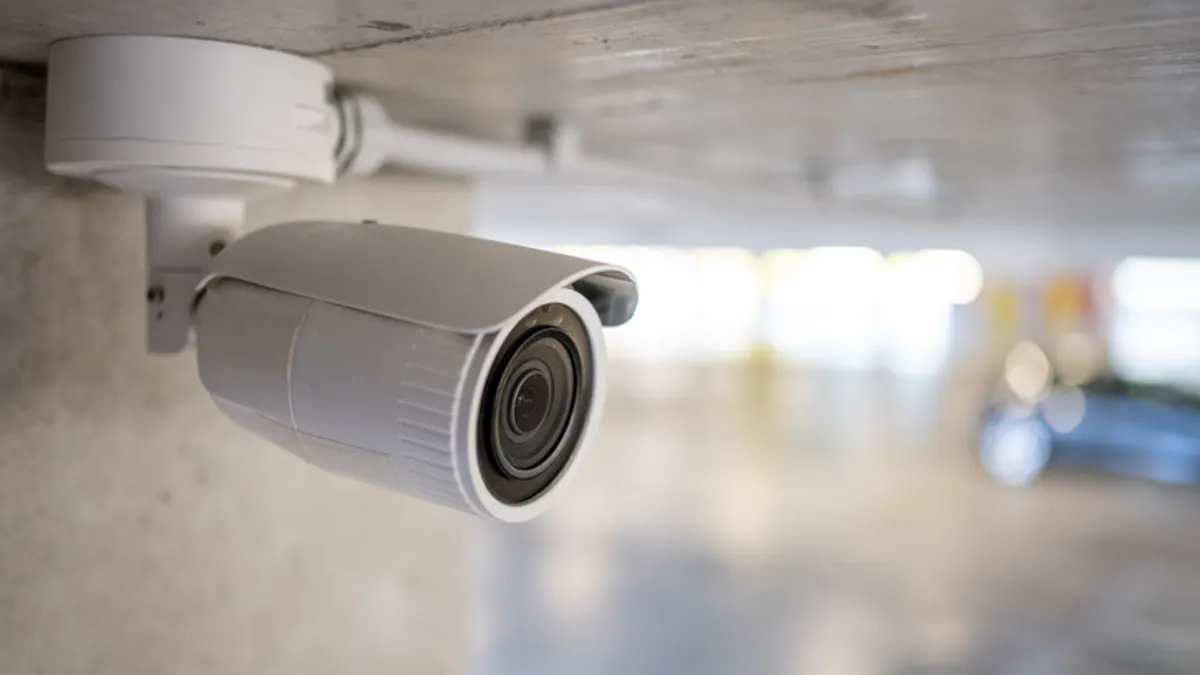
For facility managers facing higher costs, the law might make them look at changing the security mix they’ve been relying on, DeAlmeida said. Instead of having, say, two full-time guards, they might drop that to one and install an access control system.
“[There are] different types of services that can offset the cost of adding a person that they can’t budget for,” said DeAlmeida, “like adding a camera or intercom system.”
Other cities, including Boston and the District of Columbia, have prevailing wage and benefits requirements for security guards working for municipal clients but the requirements don’t impose a mandate for private-sector parity. But some cities, including Baltimore, are looking at their own version of the parity law.
“The human role is not going away, but in a market like New York City, reducing guard force costs is likely the direction many companies will move toward,” Michael Evanoff, chief security officer of cloud-based security company Verkada, told Facilities Dive. “AI-assisted cameras make that shift more realistic than ever.”