Dive Brief:
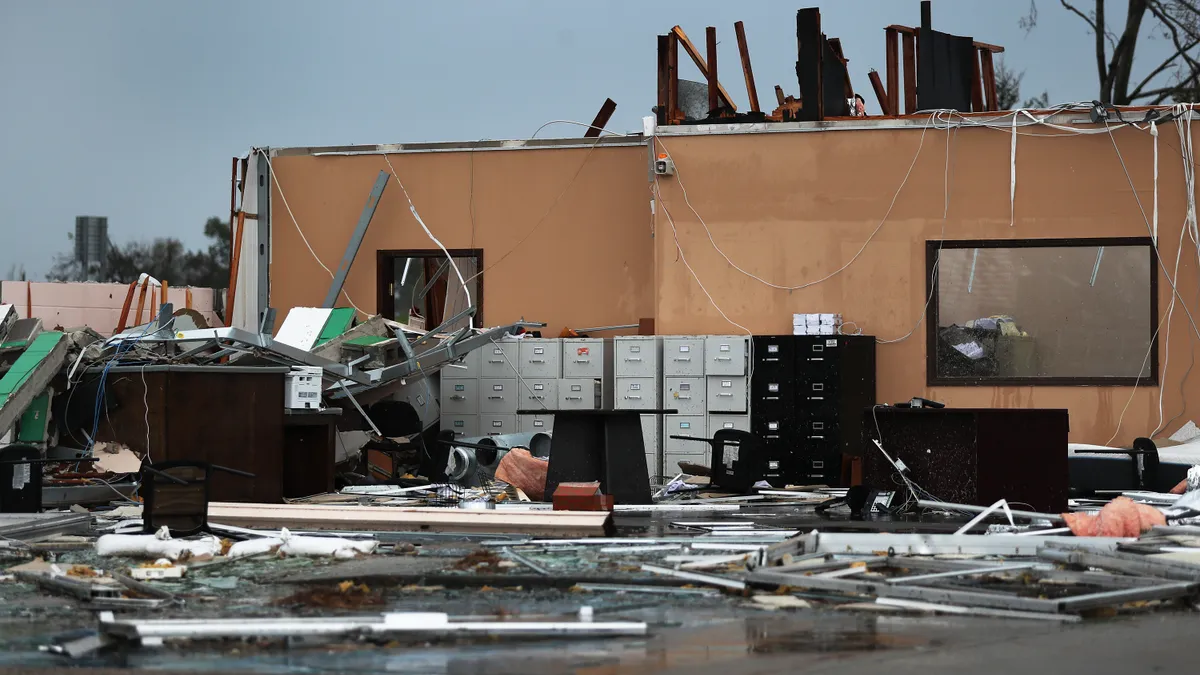
- Commercial real estate owners and operators are implementing technologies to help them save on insurance costs as they prepare for severe weather and an increase in natural disasters, according to a report by Nationwide.
- Operators say weather and natural disasters are expected to be bigger risks than labor shortages, supply chain disruptions and government regulations, according to a survey conducted by the property insurer.
- Most operators say they’re confident in the structural integrity of their properties but only about half feel they’re prepared for damaging winds, flooding or heat waves, Nationwide says. These weather risks are pushing them to look for ways to cut insurance by adding technology and switching providers.
Dive Insight:
Nationwide surveyed business decision makers at real estate holding companies, builders and other companies that have at least two properties of 40,000 square feet or more.
Roughly a third of respondents say there’s been an improvement in commercial property insurance affordability over the past year, but almost two thirds say they’re still looking for options or are interested in ways to cut premium costs. In the last 12 months, most respondents said, they’ve been able to lower costs by bundling insurance policies, getting a better quote from other carriers or getting advice from an agent on reducing costs.
When asked if they would insure less of their property to cut premiums, more than half, or 55%, said they would consider it — a 13-percentage-point increase from 2025. However, that’s not translating into owners opting out of optional coverages. More often, they're working with insurers to trim premiums and other policy costs.
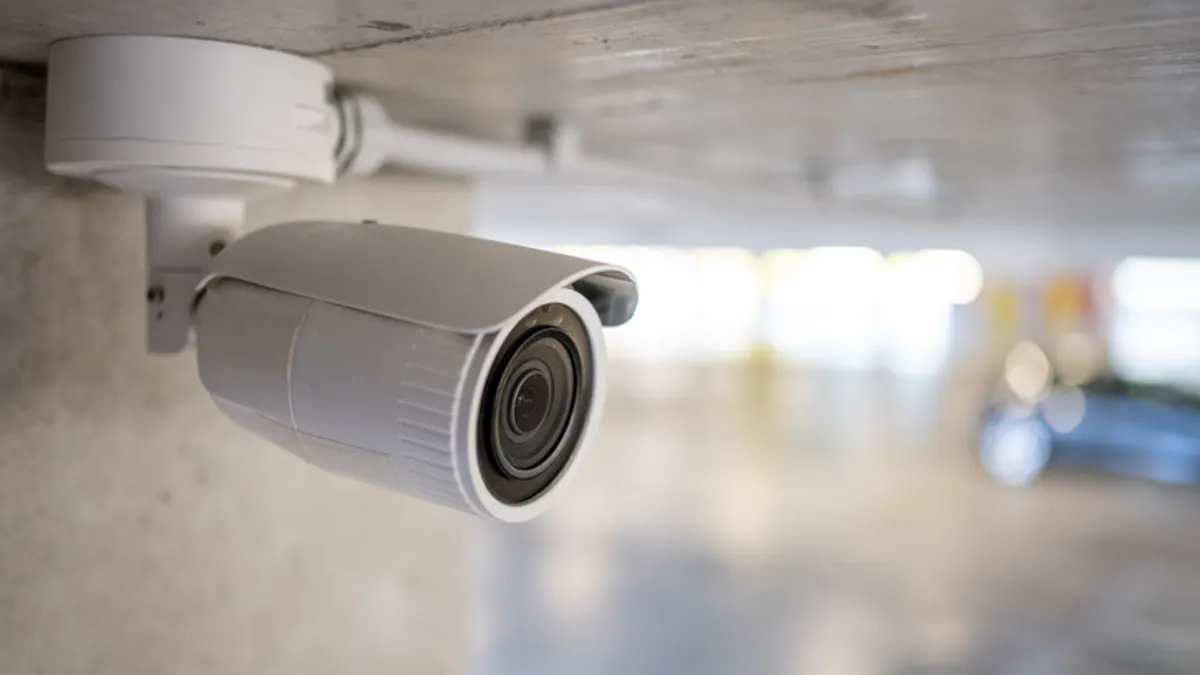
Most operators are either using or want to add technology like connected fire detection systems to lower risks and get premiums down, the survey shows. More than 90%, for example, are either using or want to add connected security cameras or video surveillance systems, almost 85% say that for smart access control systems, almost 80% say that for connected fire or smoke detection systems and almost 75% say it for smart lighting.
About two-thirds say they’re using smart HVAC or climate-related systems. The number is higher in states with high risk of convective storms or hurricanes.
Respondents said they were most likely to use portable fire alarms, online employee safety training and fire prevention and suppression devices if it resulted in discounts. Smart devices to prevent leaks or mitigate water damage were another technology they were willing to consider.
Some are also prepared to implement cybersecurity monitoring, workplace policy tools, and vehicle or other asset tracking using telematics if it means a discount, the survey found.