Dive Brief:
- The city of Boston and the Massachusetts Clean Energy Center are providing $500,000 for a project to determine if clean thermal energy from Boston Harbor and other nearby water sources can deliver large-scale heating and cooling across multiple buildings, according to a release Thursday.
- The yearlong Boston Thermal Energy Network Project, or BosTEN, led by the Boston Green Ribbon Commission, will evaluate whether a thermal energy network can deliver long-term cost savings, reduce pollution and mitigate peaks on gas and electric systems. The project will use data from GRC members’ buildings to study thermal energy use at scale.
- “Thermal energy networks are an exciting potential path to reduce energy costs and address growing demand for heating and cooling powered by clean energy,” Mass Clean Energy Center CEO Ben Downing said in a statement. “The BosTEN Project will deepen our understanding of how these systems can strengthen our grid, manage peak demand, and make Massachusetts more energy independent.”
Dive Insight:
Boston and the state of Massachusetts are trying to boost their energy infrastructure through financing programs, laws and executive orders. Last May, Governor Maura Healey proposed the Energy Affordability, Independence & Innovation Act to provide financing to reduce the upfront costs of geothermal projects, which are significantly more affordable to operate once built, per the release.
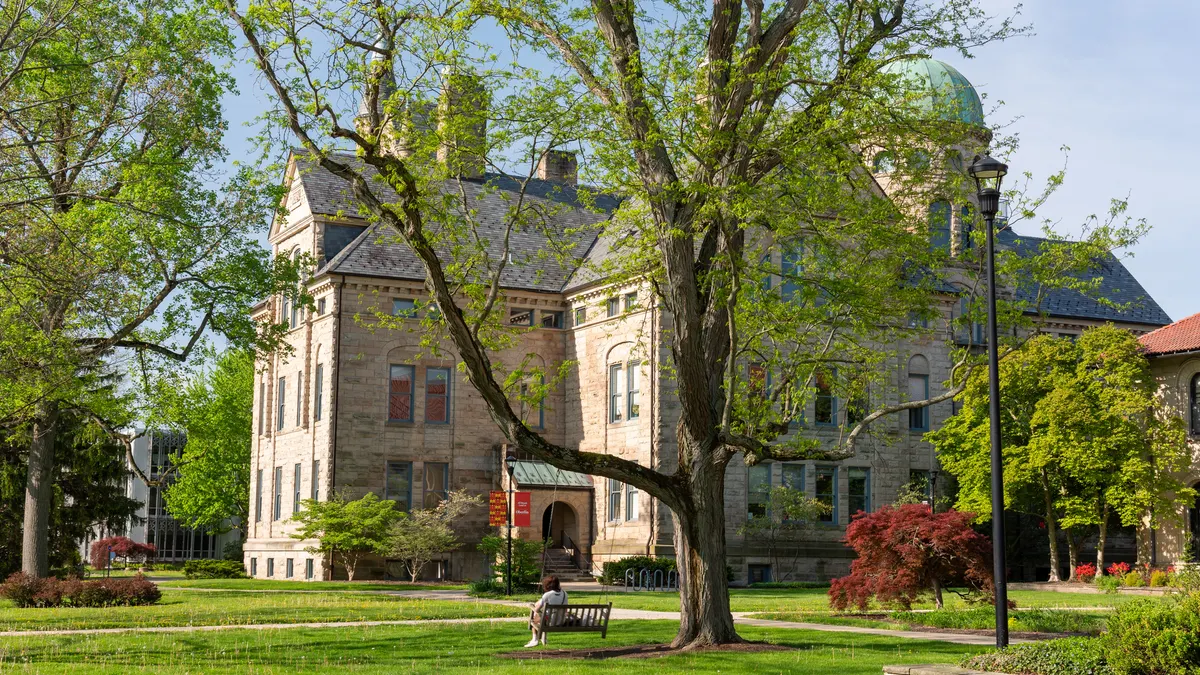
The bill would reduce the up-front cost to build geothermal networks and establish new financing tools for customers to install equipment to more efficiently heat and cool buildings, according to a legislative fact sheet. These proposed changes are ideal for large colleges, businesses and hospital campuses that are looking to lower their energy use, costs and emissions related to building heating and cooling, the Mass Clean Energy Center said in its release.
The bill hasn’t been passed yet.
Healey also recently signed an executive order that directs state agencies to identify opportunities for geothermal energy, expedite licensing and permitting and address other hurdles to advancing thermal energy resources.
Thermal energy networks are a modern, combustion-free variant of district energy systems that move ambient-temperature water around a neighborhood for heating or cooling instead of using hot water or steam, according to the Massachusetts Clean Energy Center.
Connected buildings exchange thermal energy with the network and draw from connected thermal resources, including geothermal wells, waste heat from industrial facilities and data centers, sewers, surface water and outside air, Peter McPhee, senior program director of high performance buildings, and Meg Howard, senior program director of net zero grid at Mass CEC, wrote in the MassCEC report.
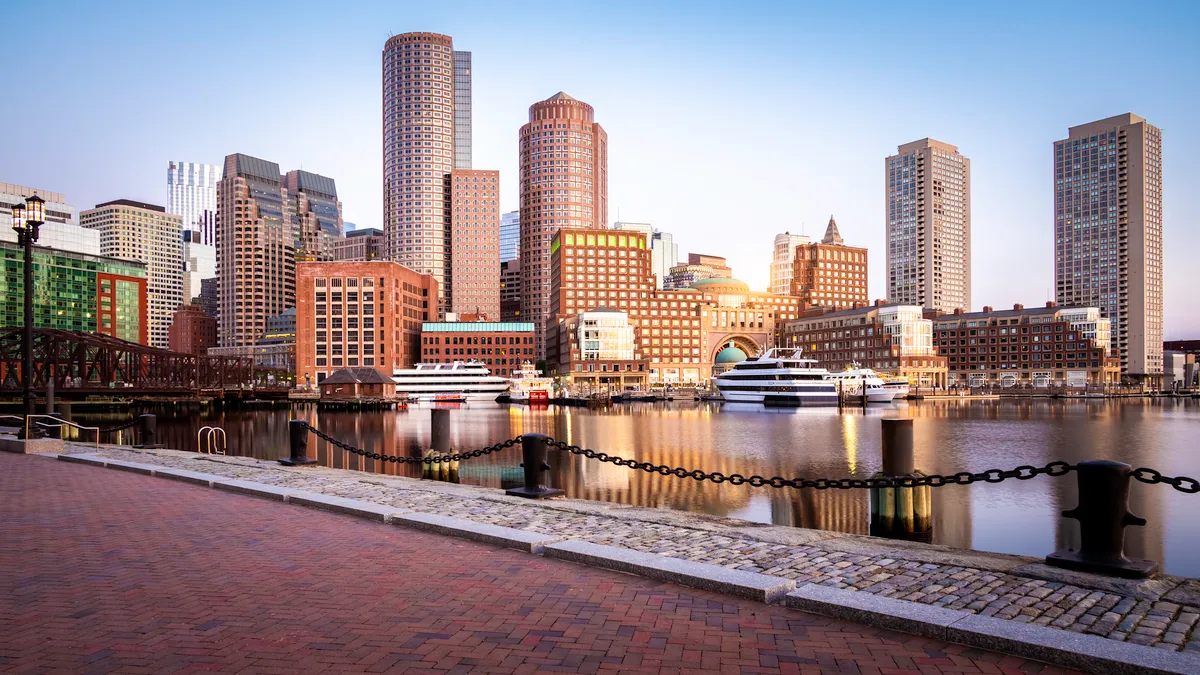
The BosTEN Project will explore how to capture thermal energy from the Charles and Mystic rivers, Boston Harbor, the Fort Point Channel and the bedrock underneath the rivers to deliver clean heating and cooling to nearby large buildings.
The project will examine factors such as the supply of thermal energy from those sources and anticipated demand, cost-effective methods for distributing the energy through the network and what regulatory and permitting barriers a project would face. If a thermal network seems feasible, it will also determine what steps could bring it to a stage that could attract investors.
Municipalities and institutions have used district energy systems and thermal energy networks for decades in North America and are increasingly looking at the systems as a way to manage and reduce costs for heating and cooling. U.S. utilities have been relatively slow to adopt the technology, with only a few projects implemented or underway. They include the first utility-owned networked geothermal system in Framingham, Massachusetts, and a networked geothermal pilot led by CenterPoint Energy in Minnesota.
Massachusetts is one of at least eight states, including Minnesota, that Climate Xchange says have enacted policies supporting thermal energy network development. California, Colorado, Maryland, New York, Vermont and Washington have similar policies, Climate Xchange says.
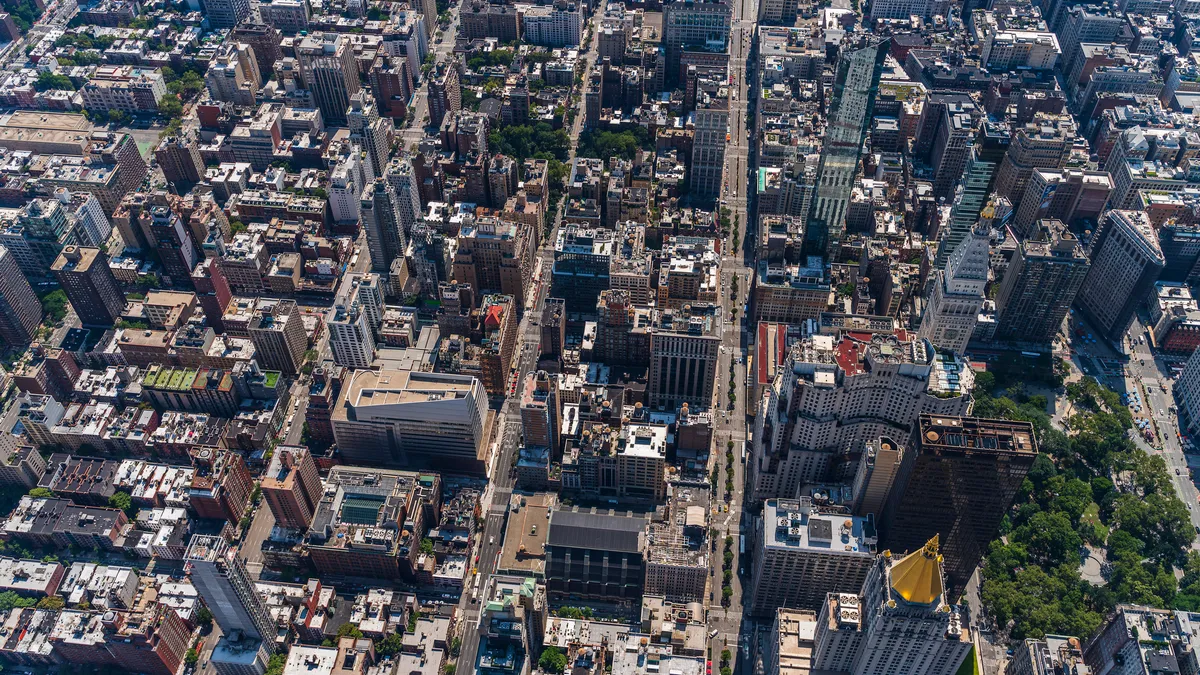
The Green Ribbon Commission’s membership includes many of the area’s largest energy users, including universities, hospitals, commercial real estate properties and public agencies that can provide data to help shape the BosTEN project.
“By exploring thermal energy, we’re opening an opportunity to keep our buildings comfortable year-round while maintaining stable electricity costs and paving the way for other cities across the Commonwealth to do the same,” Boston Mayor Michelle Wu said in a statement.