Chris Skipworth is CEO of Passpack, a password management platform. Views are the author’s own.
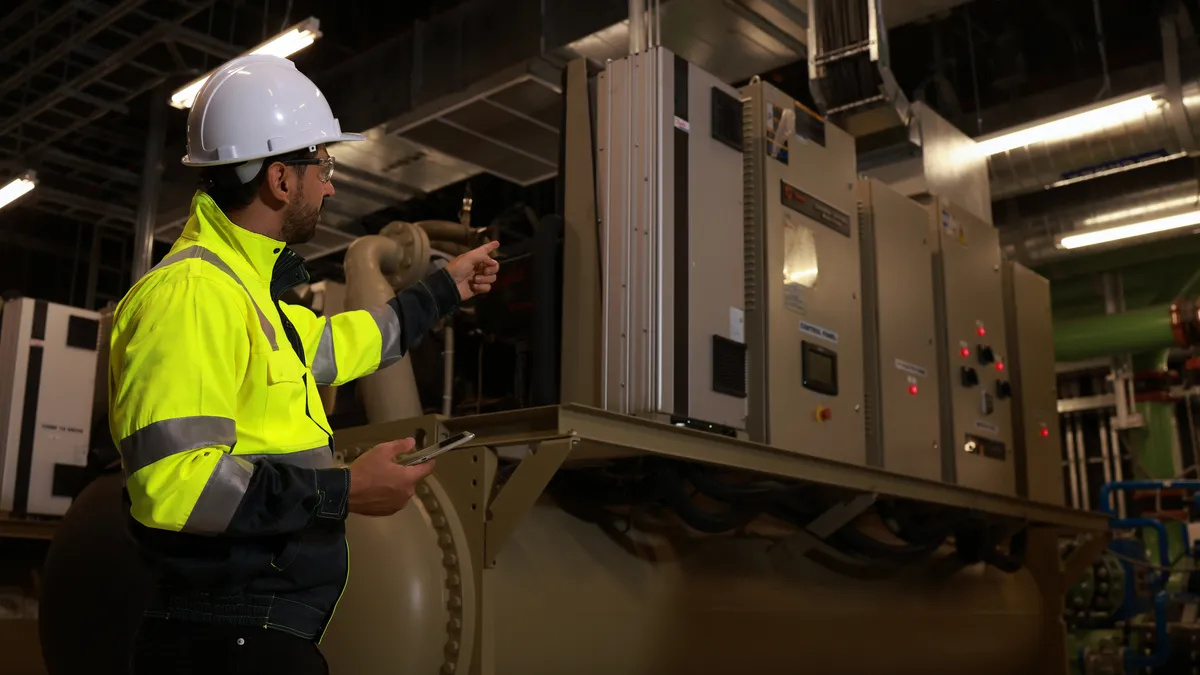
Over the past decade, commercial buildings have become far more connected. Property teams rely on digital platforms to control HVAC systems, manage access, monitor energy use, operate elevators and oversee fire and life-safety equipment. Many buildings also run tenant apps and remote dashboards that enable operators to adjust conditions in real time. The result is a level of visibility and efficiency that would have been hard to imagine just a few years ago.
Yet while investment in these systems has surged, the way people access them has changed much more slowly. In many facilities, passwords are still tracked in spreadsheets, shared across teams or passed along informally when responsibilities shift.
That gap is significant because cyber threats are no longer confined to traditional IT networks. According to IBM’s X-Force Threat Intelligence Index, nearly 70% of attacks in 2024 targeted operational technology and critical infrastructure sectors, with compromised credentials among the most common entry points. In other words, building systems are not typically breached through sophisticated exploits, but through ordinary access weaknesses that remain unaddressed.
Access complexity and the vendor visibility gap
Most commercial properties today operate across a dense ecosystem of digital systems: building management platforms, IoT sensors, surveillance controls, lighting software and vendor service portals. Each system carries its own user accounts, permission structures and administrative processes.

Individually, these systems are manageable. Risk emerges as environments scale. Facilities leaders often oversee multiple sites with different technologies and service providers, and access practices tend to evolve locally rather than centrally, creating inconsistencies in how credentials are issued, tracked and retired.
Shared logins frequently become a practical shortcut because they allow staff and contractors to move quickly without waiting for account setup. But that convenience comes at a cost. When multiple individuals use the same credentials, accountability disappears, activity cannot be traced and incident response becomes more difficult.
The challenge is compounded by vendor access, much of which is intended to be temporary. Contractors receive credentials to install equipment, troubleshoot faults or perform maintenance, yet those accounts often remain active after work is completed. In fast-moving facilities environments, restoring system uptime takes priority, while formal offboarding processes are rarely triggered.
Over time, this creates a buildup of unmanaged entry points. Staff turnover, subcontracting changes and shifting service arrangements make it hard to keep records accurate. As a result, many property teams face a simple but serious challenge: they cannot say with confidence who still has the ability to log into critical building systems.
Moving from visibility gaps to governance discipline
Closing access gaps rarely requires new technology. More often, it comes down to clearer governance and consistent day-to-day practices.
The starting point is simple visibility. Maintaining a single, up-to-date record of who can access each building system gives teams an immediate understanding of ownership and accountability. Without that baseline, even routine oversight becomes difficult.
From there, eliminating shared logins makes a big difference. Individual credentials for employees and vendors create clear audit trails, making it easier to track activity and respond quickly if issues arise.
Strong password discipline reinforces these controls. Unique credentials, regular rotation and restrictions on reuse directly address the most common entry point for ransomware, which typically relies on weak or recycled passwords rather than sophisticated technical exploits.
Securing vendor access without slowing operations
Vendor access deserves particular attention because it sits at the intersection of operational urgency and external risk.
A practical first step is tying access to contract timelines. When credentials are issued with defined expiration dates, accounts naturally fall away unless they are intentionally renewed.
Limiting permissions also helps contain exposure. Vendors should have access only to the systems required for their work, reducing the potential damage of a breach if credentials are misused.
Regular reviews keep these controls effective. Periodic audits help confirm that permissions still match current contracts, responsibilities and operational needs.
Strengthening defenses through multi-factor authentication
Even strong password practices have limits. Multi-factor authentication, or MFA, adds a second layer of protection by requiring an additional verification step before access is granted.
This safeguard is particularly valuable for remote connections, which are common in vendor support environments. Requiring MFA for administrative and remote access roles significantly reduces the likelihood of unauthorized entry.
Making credential governance an operational priority
As building systems become more digital, facilities teams increasingly find themselves managing access alongside their traditional responsibilities. They are closest to the platforms, the vendors and the daily operational decisions that determine who needs entry.
Treating credential oversight as a core operational function helps align responsibility with real risk. Clear ownership, consistent procedures and coordination across facilities, IT and risk teams create a more reliable approach across properties.
Routine practices such as centralized tracking, scheduled access reviews, vendor governance procedures, and periodic tabletop exercises strengthen resilience in lasting ways, without requiring major new investments.
From technical detail to strategic risk control
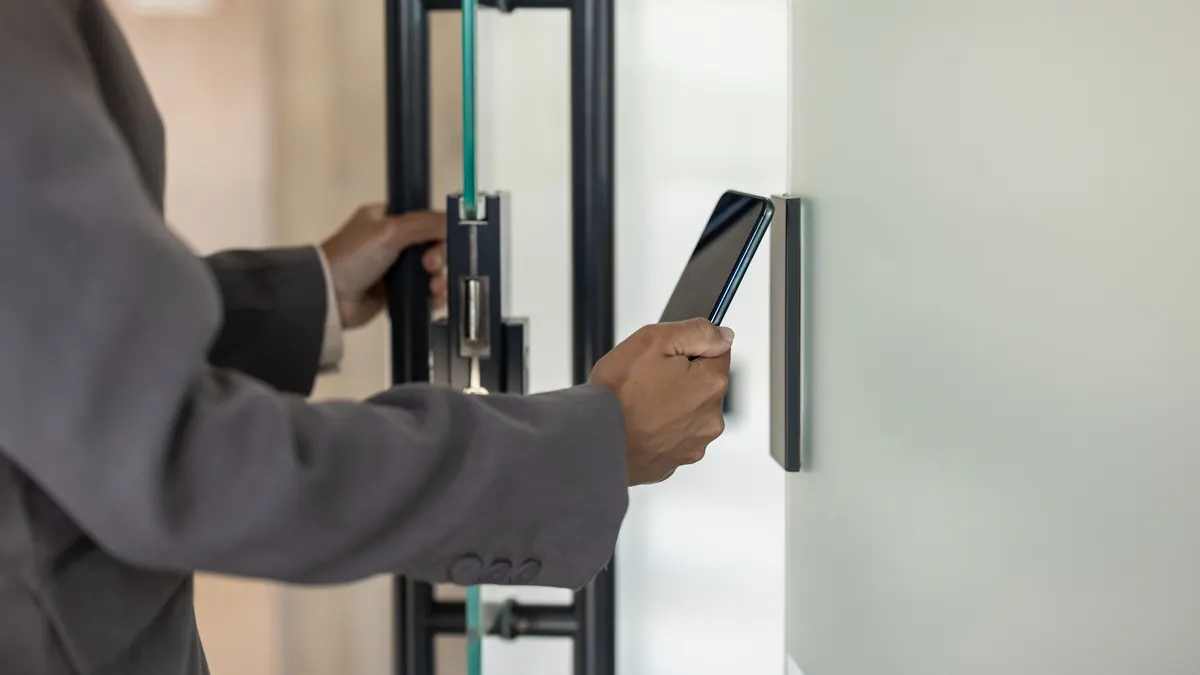
For decades, property security has focused on visible protections: locks on doors, cameras in common areas, alarms tied to life-safety systems. Today, digital access deserves the same level of attention. Credentials now function as keys to critical building infrastructure, yet they are rarely managed with the same consistency or oversight as physical controls.
The good news is that reducing risk does not require complex technology or major new investment. Practical steps can make a significant difference. Unique credentials replace shared logins with clear accountability, while centralized access records provide consistent visibility. Role-based permissions limit unnecessary reach, multi-factor authentication adds a strong layer of protection, and regular reviews help ensure access remains aligned with current roles and vendors.
In an increasingly connected building environment, controlling who can log in is becoming just as critical as controlling who can walk in.